
If you want to better understand how our genes can predispose us to disease, look to sickle cell disorder (SCD). It’s one of the oldest known and most common genetic disorders and affects millions of people around the world. It is particularly common in people with an African or Caribbean family background.
Approximately 300,000 individuals are born every year with the condition that arises due to a mutated gene on chromosome 11. This slice of DNA encodes the red blood cell protein haemoglobin which binds to oxygen from the lungs to deliver it to the rest of the body.
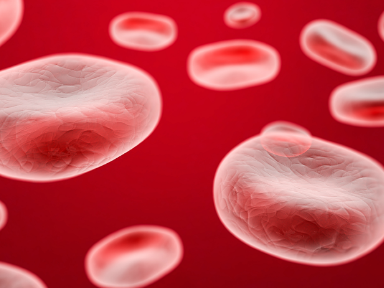
Normally haemoglobin makes red blood cells smooth and round, a shape that allows them to glide through blood vessels with ease. But people with SCD have blood cells that assume a sickle shape which makes it much harder for them to travel around the body to deliver oxygen.
This leads to anaemia but SCD can also cause acute episodes of pain (often called ‘pain crises’) and sometimes life-threatening complications such as organ problems and infections. People with the condition are frequently hospitalised. And unsurprisingly, the disease can also have a profound effect on a patient’s emotional health.
While researchers have known about the genetic cause of SCD for decades, only recently have scientists developed tools that could potentially fix the genetic error that causes the disease.
Experimental therapies involve extracting cells from a patient, altering them in the laboratory and reintroducing them to the patient in a procedure that’s similar to a bone marrow transparent.
If validated in clinical trials, this type of treatment could be a game-changer for people living with SCD. But patients in low-and-middle-income countries might not be able to access this form of therapy as it will require robust hospital infrastructure which is not available in many regions where SCD is particularly prevalent.
One-time treatment
In February, pharmaceutical giant Novartis announced it has entered into a three-year $7.28 million grant agreement with the Gates Foundation to discover and develop a gene therapy for SCD which can be used in lower-income countries.
“Existing gene therapy approaches to sickle cell disease are difficult to deliver at scale and there are obstacles to reaching the vast majority of those affected by the debilitating disease,” said Jay Bradner, a haematologist and president of the Novartis Institutes for BioMedical Research (NIBR) in a statement.
“This is a challenge that calls for collective action, and we are thrilled to have the support of the Bill & Melinda Gates Foundation in addressing this global unmet medical need.”
Novartis says it wants to develop an in vivo gene therapy for SCD that would only need to be administered once, directly to the patient, without needing to modify the cells in a laboratory first. If successful, it would mean someone with SCD wouldn’t have to endure long or repeated hospital stays. And developing countries wouldn’t need specialised lab infrastructure to offer the treatment.
The pharmaceutical company has been researching sickle cell disease and working towards treating the condition for over 40 years. In October 2020, the European Commission approved its drug Adakveo (crizanlizumab) for pain crises in patients with SCD. It is the first targeted sickle cell disease therapy for the reduction and prevention of this SCD complication.
The antibody therapy works by binding to P-selectin, a cell adhesion protein that plays a crucial role in vaso-occlusion – a hallmark symptom of SCD that occurs when platelets and white blood cells get stuck together. This causes immense pain.
“Clinical data showed that use of Adakveo led to a significant reduction in the rate of pain crises and to fewer days spent in hospital,” explains a Novartis spokesperson. “Pain crises disrupt patients’ lives physically, socially and emotionally – and can increase risk of organ dama...




























 (All Rights Reserved)