
I. Introduction
Chronic Obstructive Pulmonary Disease (COPD) is a common disease characterized by persistent respiratory symptoms like progressive breathlessness and cough. [Focus, 2023] In individuals with COPD, the lungs experience constant exposure to elevated levels of reactive oxygen species (ROS), resulting in oxidative stress. [Sharma, 2023] It's typically caused by long-term exposure to irritating gases or particulate matter, most often from cigarette smoke, but also other air pollution such as radon, dusts, chemicals and fumes in enclosed environments such as residences and workplaces. [Urrutia-Pereira, 2023] Inflammation is a major underlying cause and can be underpinned by mitochondrial dysfunction and oxidative imbalance. [Sharma, 2023] Genetic factors such as Alpha 1 antitrypsin deficiency may also play a role. [Alwadani, 2023]
The main symptoms of COPD are: [Focus, 2023]
Shortness of breath, which gradually gets worse
Shortness of breath during physical activity
Frequent coughing, with or without sputum
Wheezing
Noisy breathing
Tightness in the chest
Tiredness
Frequent infections of the lungs
Change in appetite
Weight loss
Severe symptoms that need emergency medical attention may include: [Focus, 2023]
Bluish or gray fingernails or lips
Trouble catching the breath
Inability to speak
Confusion
Fainting
Increased heart beat
Swelling in ankles, feet, and legs
If uncontrolled, COPD may lead to complications, such as heart problems, respiratory infections such as pneumonia, lung cancer, depression, pneumothorax, bronchiectasis, and osteoporosis. [Zhang, 2023]
II. COPD treatments
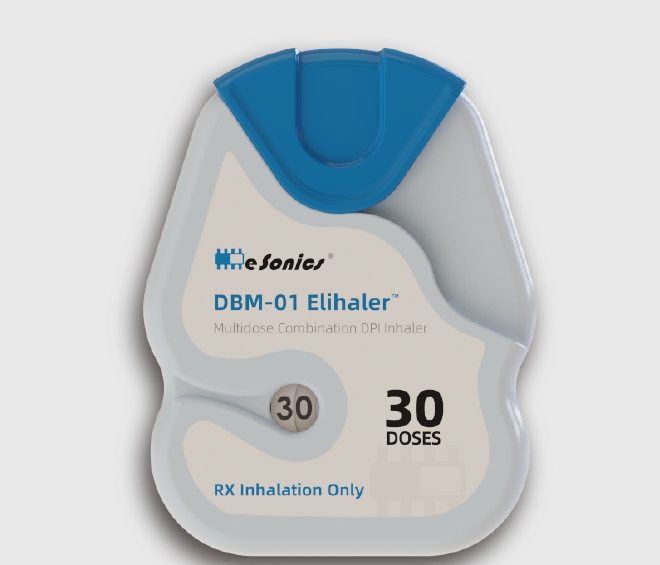
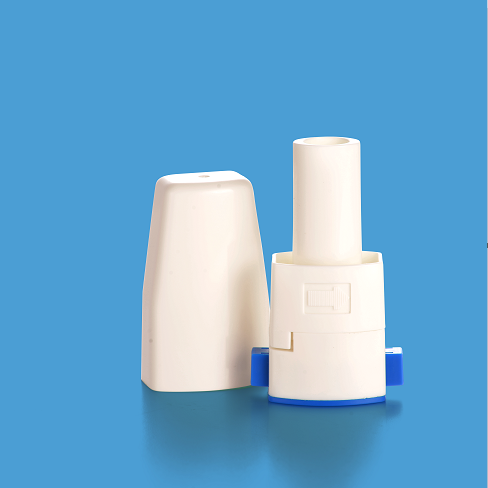
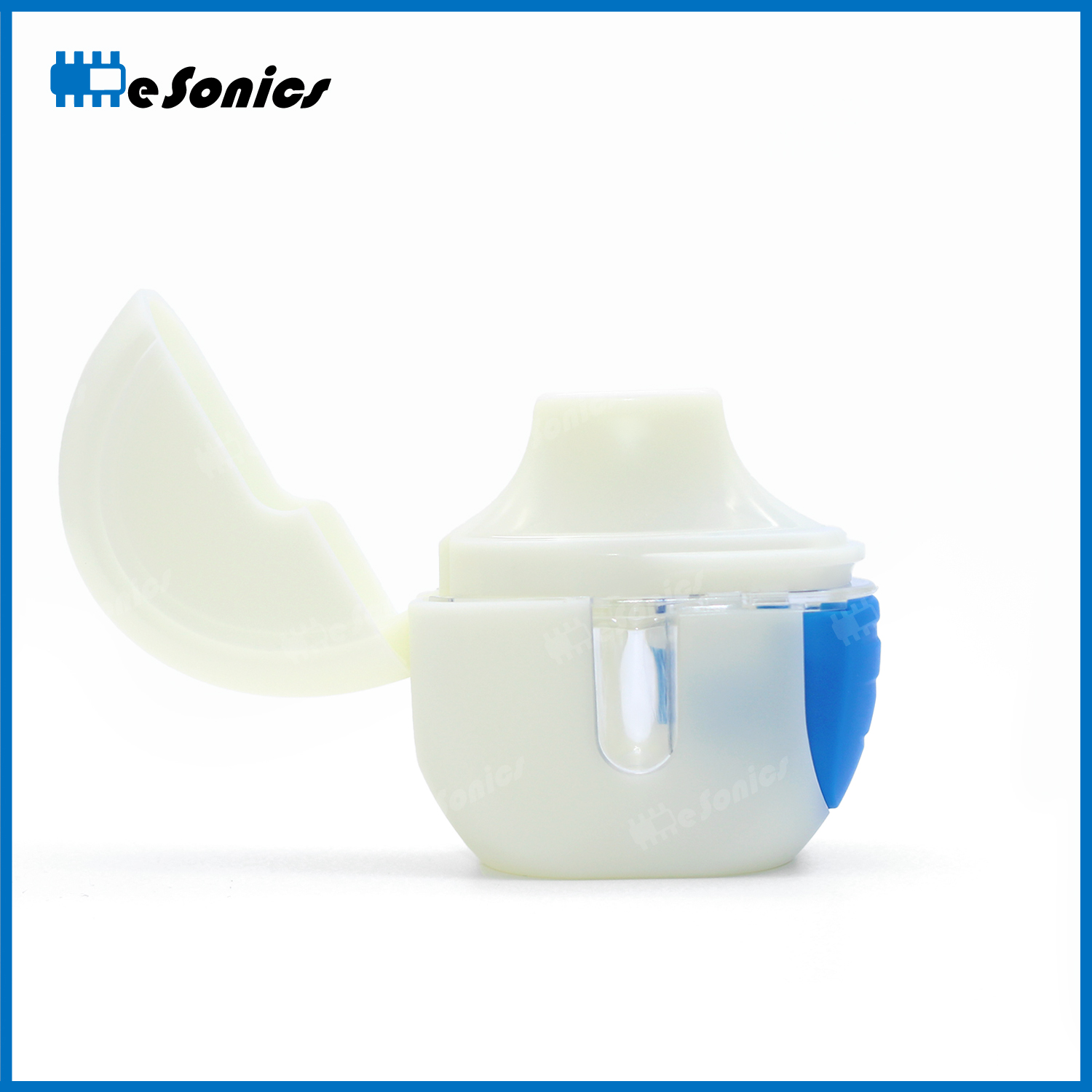
COPD can be managed through a combination of medications, lifestyle changes, and in some cases, surgical interventions. Typical treatment options include:
1. Medications: [MedlinePlus, 2023]
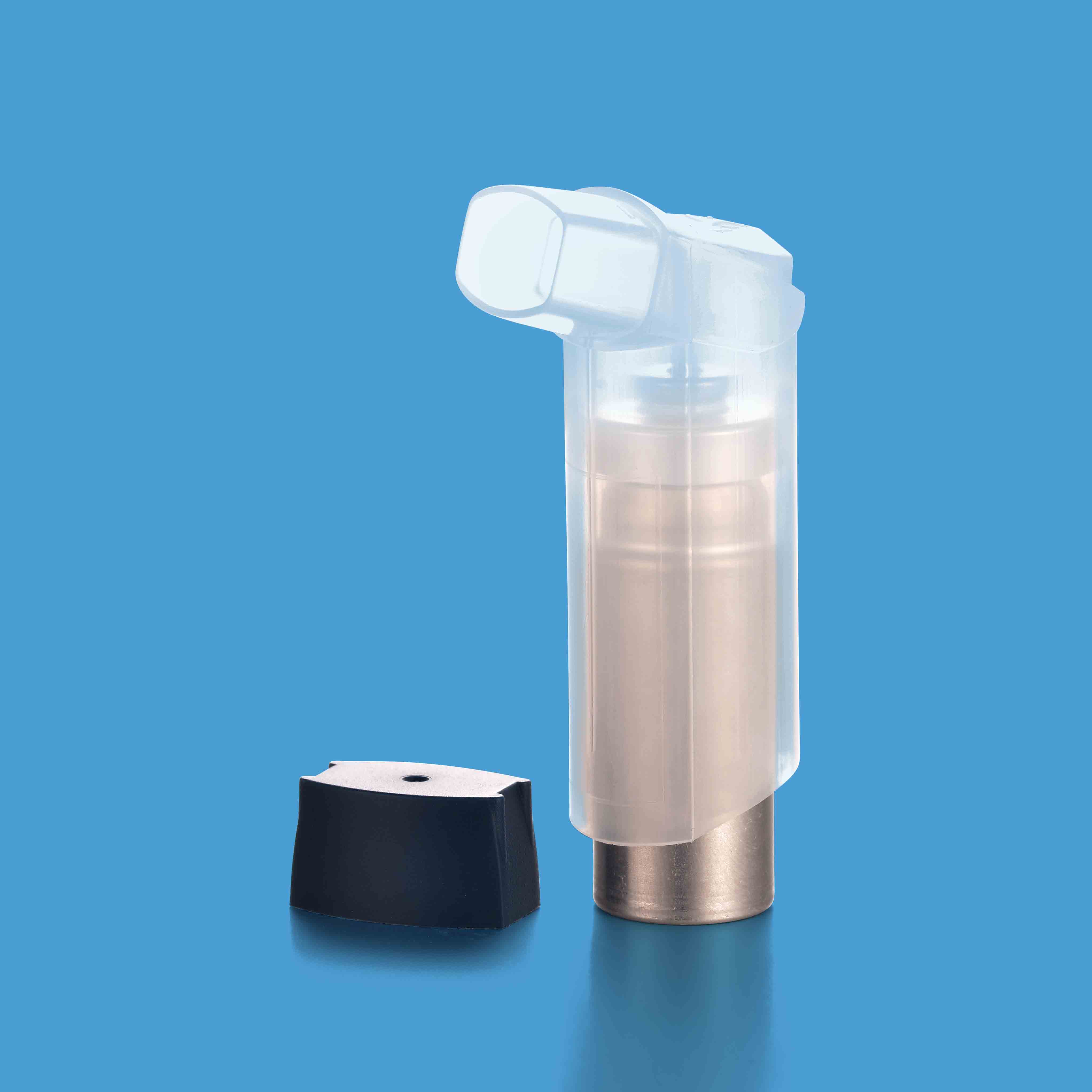
Bronchodilators - (Albuterol, Levalbuterol, Glycopyrronium, Ipratropium, Tiotropium, Indacaterol, Vilanterol, Aclidinium, Umeclidinium) are used to relax the muscles of the airways and improve breathing.
Glucocorticosteroids - (Beclomethasone, Betamethasone, Budesonide, Cortisone, Dexamethasone) are used to reduce inflammation in the airways.
Antibiotics - (Azithromycin, Amoxicillin/Clavulanate) may be prescribed to avoid or cure lung infections.
Mucolytics - (N-acetylcysteine) are usually used in severe COPD attacks.
2. Therapy:
Oxygen therapy is used in exacerbations and sometimes as a therapy in long-term oxygen therapy required patients.
Pulmonary rehabilitation involves working with a team of specialists to learn, practice, and improve breathing and physical activity.
3. Surgical Interventions:
Bullectomy is advised in case other treatments fail to reduce symptoms. In this procedure, the enlarged air sacs are removed from the lungs.
Lung transplantation involves replacing diseased lungs with a healthy lung from a donor.
4. Personalized Approach:
Alpha-1 Antitrypsin Deficiency (AATD) is a genetic disorder caused by mutations in the SERPINA1 gene, which encodes alpha-1 antitrypsin (AAT), a protease inhibitor and contributes to COPD. AATD is an example of how a personalized genetic approach can be applied to the treatment of COPD.
AATD is caused by a single amino acid substitution of lysine for glutamic acid at position 342, E342K, named as the Protease Inhibitor (Pi)*Z phenotype. This mutation leads to misfolded and polymerized AAT protein aggregates which accumulate within the endoplasmic reticulum (ER) of the hepatocytes, impairing its secretion into the plasma. AATD can lead to chronic activation of neutrophils resulting in chronic lung inflammation. [Yetman, 2023]
Gene therapy is a long-term strategy for the treatment of AATD-lung disease, where the approach is to express the wild-type (WT) allele to drive production of the normal human M-AAT gene into cells that will secrete the protein...































 (All Rights Reserved)