
Sketch
Myelin oligodendrocyte glycoprotein is a myelin protein component that exists in the most superficial layer of the central nervous system myelin and is a subtype of immunoglobulin IgG1. Reasonable adjustment of complement-dependent cytotoxic response is an important component leading to MS demyelination.Anti-MOG antibodies play an important role in the pathological process of multiple sclerosis. The experimental immune cerebrospinal cord induced by MOG is an internationally recognized animal model of MS at this stage.

MOG polyclonal antibody
Physicochemical properties
MOG is present in the most superficial layer of the myelin membrane and oligodendrocytes, with a small number, accounting for about 0.01%-0.05% of the total production of myelin protein.Because MOG, compared with other myelin proteins, generally delays expression for 24-48 h during the developmental stage, it can be used as a marker to perfect oligodendrocytes.
Characteristic
1. Adhesion molecules
The OG immunoglobulin-like region and butyrophilin-like region were similar, and the chicken B-G antigen could not differentiate the effect of MOG.The surface localization of MOG, its understanding as an immunoglobulin superfamily, and the appearance of Lalpha/HNK-1 carbohydrate antigen epitopes all apply to the role of MOG as an adhesion molecule or cell receptor.Lalpha/HNK-1 epitopes found on MOG were evaluated as myelin-related glycoproteins and P0, both of which are myelin-specific proteins with adhesion components.If MOG has adhesion, it may have contact with other central nervous system components besides itself; it is inferred that if MOG has a significant role at the cell adhesion level, MOG may act as an adhesion "glue" between the adjacent myelin chemical fibers, resulting in the middle and late stages of the myelin production process.
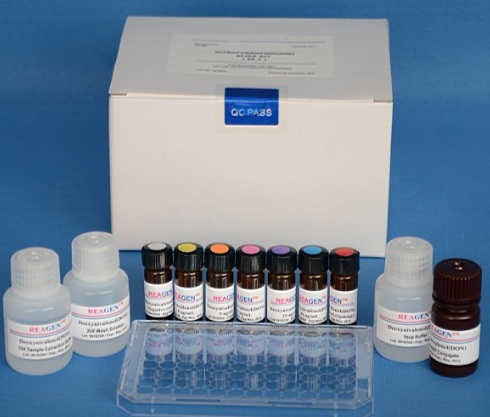
Mouse anti-myelin oligodendrocyte glycoprotein antibody (MOG-Ab) ELISA Kit
2. Activation of complement
The MOG gene is similar to the B-G antigen of chicken MHC at the site of the key institutional compatibility complex, and its structure is similar to the gene family, which can cause obvious immune response.It is inferred that MOG has immune functions in the central nervous system, and recent preliminary reports have reminded that MOG is expressed in a range of monocytes, which is also applicable to the immune function of MOG. Although MOG does not appear in non-feeding types of myelin, it can be expressed in several ways, one is that MOG does not directly act on the myelin process, more appropriately,It may mediate the contact between K myelin and another component of the body such as the immune system; another expression is that MOG is relatively specific to the immune function of CNS myelin, but not to the peripheral nervous system myelin, which can activate the classical complement mode in the body.Defensive DNA vaccine number MOG (MOG-DNA) can avoid the production of immune encephalomyelitis in the mouse experiment itself, which is completed according to the effect of complement C3d.Thus, CNS myelin must include complement components that fuse Ctq, leading to complement activation.
Mechanism of action
1. MOG and EAE
EAE is a comparatively ideal animal model for studying MS at home and abroad.At present, there are many reports about the establishment of EAE model with myelin as antigen at home and abroad. At first, the most used allergens are brain or spinal cord homogenate, MBP, PLP, MAG or its peptide brilliant fragments, etc.The sensitive species used are mostly rodents, such as Lewis rats, SJL/J mice,...


























 (All Rights Reserved)