
The second wave challenged India and choked the struggling population of the country slowly, while the government made futile attempts to deal with the tragedy unfolding before us. The survivors who seek refuge in the households, distancing themselves from society, find themselves at wit’s end, questioning when will this horror end.
The second wave of the virus held the nation at gunpoint, as we struggled to get the situation under control. Though a second wave was expected, no one, experts claim, expected the surge to be this high, which has led to a serious deficit in medical resources to manage the flood of patients. The fear of the second wave has caused those uninfected to scram in search of the vaccine, further establishing new chains of viral spread. It is easy for armchair analysts sipping a cup of tea to say, we would never have gotten to this point if our government had the foresight and planned accordingly to combat the second wave. With the same ease, one can counter-argue, in a country like ours, with a humongous population, where we cannot get around anywhere without avoiding a crowded bus or a metro, where we are rubbing shoulders with folks from all establishments, where social distancing is wishful thinking. The reality of outcomes would have been horrifically different had this been much more lethal like the five viruses of the Ebola family.
While the first viral spread was gentle, the second wave is no less than a tsunami that has hit like a shipwreck. One can superficially conclude perhaps, that the driving force of this second wave has been the mutation of the virus giving rise to more pathogenic strains as well as the massive lapse on part of the government to curb certain politically driven rallies and traditional events. As any virus spreads through a population, it rapidly acquires some form of mutation, ideally as time passes the virus should become less virulent. However, COVID-19 has instead spread rather rapidly as it has acquired triple mutations and recently given rise to an AP mutant that is 15 times stronger than the previous variants. As the virus rapidly infects and causes a rather severe disease in most individuals, there is reason to suspect that the second wave is primarily associated with the new variants. This answers the question of the intensity of the second wave. The positivity rate crossed over 4 lakhs per day which could be associated with covid fatigue. As the unlock procedures came into effect, people kept their safety guards low. The demographics indicated that in the age group 10-20 years, 8.07 per cent of COVID-19 cases were reported in the first wave, while 8.50 per cent cases were registered in the second wave. In the age group 20-30 years, 20.41 per cent of cases were reported in the first wave, while 19.35 per cent cases were registered in the second wave. For those aged 30 and above, 67.5 per cent of COVID-19 cases were reported in the first wave, while 69.18 per cent cases registered in the second wave.
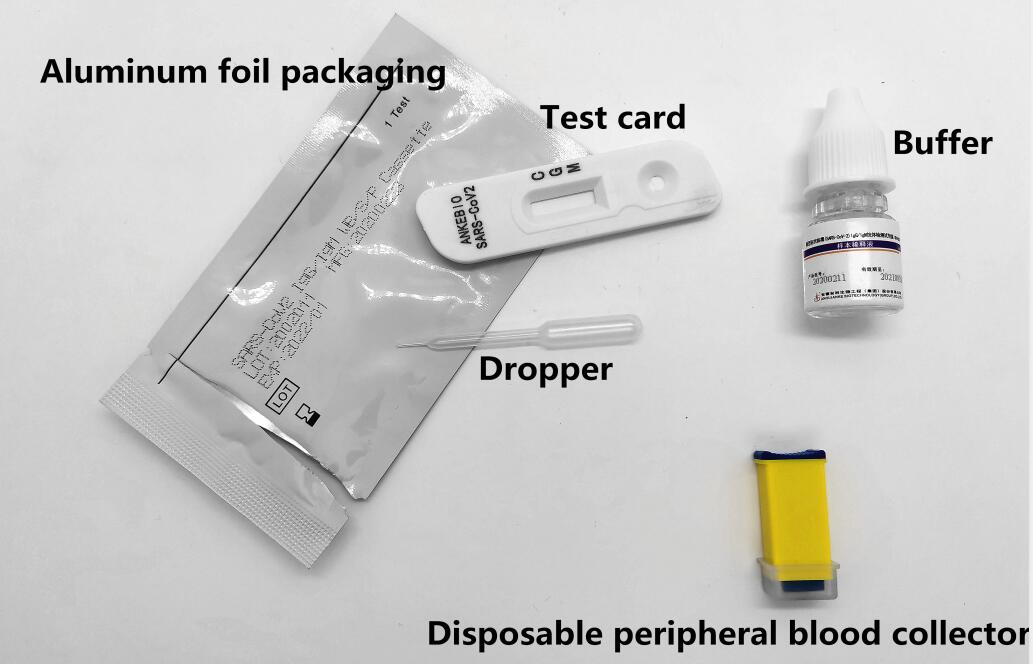
As our country battles this biological disaster of epic proportions on a war footing with our health care system hanging by a thread, every health care professional and essential worker is doing what they can to help in these testing times. Doctors, nurses, and paramedics are working round the clock to fight and save patients the best they can. The pharmacist too has a major role to play here at all levels of the ecosystem. As a research professional, it is they who can help identify, newer agents for the treatment of COVID-19, as well as in vaccine development. Dissipation of ideas and information via publications and other forms of communication is something that is done regularly. Those pharmacists with a research background in a wet lab could possibly assist with the collection and analysis of rt-PCR samples. The PCR test is a procedure that is limited by the instrument that a lab has with them and the workforce. The instrument can be run 24X7 if required. However, sufficient manpower needs to be on hand. The individuals carrying out the test must be skilled with the isolation of RNA without contamination. Pharmacist dealing in research often have this skill since they perform these tests on a routine basis for their wet-lab experiments.
In Canada and the US, pharmacists are being employed with relevant training to assist in the administration of the COVID-19 vaccine and sample collection. Read More


























 (All Rights Reserved)