
Boehringer Ingelheim announced that their Phase II Alzheimer's disease trials with investigational compound BI 409306 had not met their efficacy endpoints and plans for further trials with BI 409306 in AD will therefore not be pursued. Instead, the company will refocus efforts on the ongoing schizophrenia trials with this compound.
These AD trials were part of an extensive clinical trial program exploring the efficacy of compounds which target malfunctioning of specific (glutamatergic) brain circuits as potential new treatments for specific symptoms and traits of mental illness. As such, the investigational compound BI 409306 was explored in patients with cognitive impairment and those with memory dysfunction in schizophrenia and in Alzheimer's disease. Future investigations will focus on two studies in schizophrenia, aimed at prevention of relapse and at prevention of occurrence of a first psychotic episode.

Boehringer Ingelheim's continued engagement in the dementia field is confirmed by the planned Phase II trials investigating another compound, BI 425809, a GlyT1 inhibitor, in a range of central nervous system (CNS) indications which also include Alzheimer's disease.
"We recognize the immense anticipation around any progress in brain research that brings us closer to finding solutions for the many millions of people living with dementia. However, this is what research is about: disappointments are a daily experience in science, but even these clinical trial results will add to the understanding of brain function and contribute to future progress in this area," said Jan Poth, Ph.D., therapeutic area head CNS Diseases at Boehringer Ingelheim.
Mental illness remains one of the greatest health, social and economic challenges of our time and despite intensive efforts over many years, there is still no cure for Alzheimer's and little in the way of treatments. As supporters of the European Federation of Pharmaceutical Industries and Associations (EFPIA) "We won't rest" initiative, Boehringer Ingelheim is determined to progress a deeper understanding of the brain pathways impacting mental illness. The recent Phase II trial results will add to the body of evidence and help refine CNS clinical trial programs in the future.
About BI 409306 and Phase II in Alzheimer's Disease Study Overview:
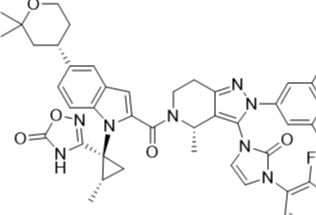
BI 409306 is a potent and selective phosphodiesterase E9A (PDE9A) inhibitor that targets the glutamatergic signaling pathways in the brain to increase synaptic strength and plasticity. These pathways are malfunctioning in schizophrenia and considered to be the pathophysiological basis of its positive, negative and cognitive symptoms. Dopaminergic pathways, which are also malfunctioning in schizophrenia, are understood to cause the psychotic exacerbations characteristic of relapse. Due to the functional interaction of the dopaminergic with the glutamatergic system in the pathophysiology of schizophrenia, it is conceivable that PDE9 inhibition might present an approach for prevention or reduction of symptomatic relapse.
- BI 409306 was investigated in two studies (NCT 02240693 and NCT 02337907), designed to show superiority of BI 409306 over placebo in cognition. Topline data were pooled for analysis.
- The studies were designed to show superiority of BI 409306 over placebo in cognition.
- Further analysis will be needed to fully understand the results and how best to shape future research in Alzheimer's disease
- The Phase II 12-week placebo controlled trials in Alzheimer's disease enrolled 457 participants in total.
- The aim of the trials was to investigate the efficacy, safety and tolerability of BI 409306 compared to placebo given for 12 weeks in patient...
Read More


































 (All Rights Reserved)