
"If you want something you have never had, you must be willing to do something you have never done."
--Guo Fan, Director of The Wandering Earth
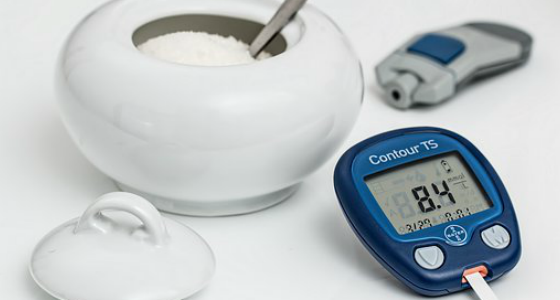
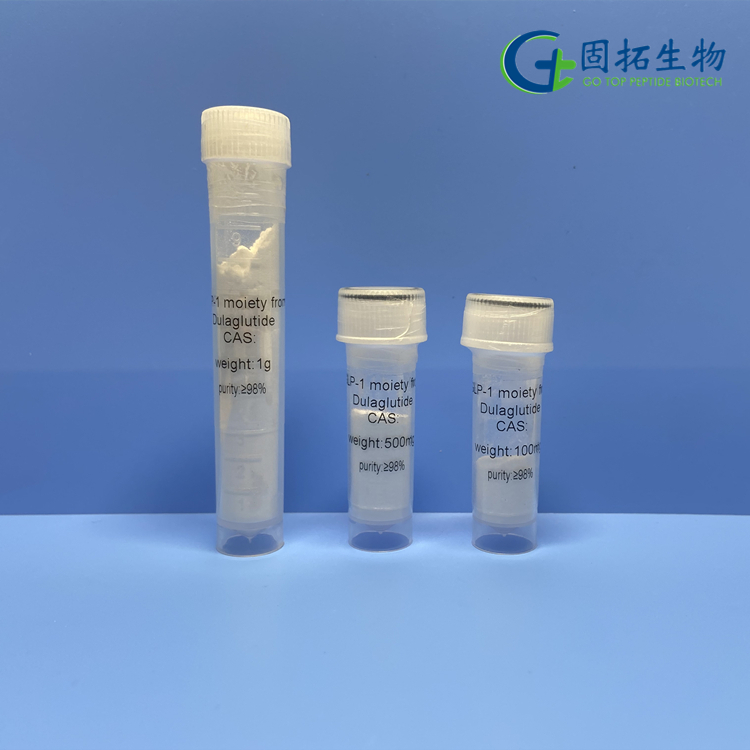
There is good news at the beginning of the new year: according to the information on the website of the National Medical Products Administration of China (NMPA), Eli Lilly’s quality hypoglycemic drug: dulaglutide (trade name: Trulicity) has been approved for marketing in China.
Top star of Eli Lilly—Huge sales of USD3.2 billion, growth of up to 58%
As a once-weekly long-acting GLP-1 receptor agonist developed by Eli Lilly, a medical supply company, dulaglutide was approved by FDA on Sep. 18, 2014 to treat type 2 diabetes, and was subsequently marketed in the EU, Japan, and other regions. Dulaglutide was included into the priority review by the CDE by reason of "application for exemption of clinical trial owing to the international multicenter trial results that contain the Chinese data" in Dec. 2017, and might be directly approved for marketing.
Eli Lilly released its 2018 performance on Feb. 6, with the total revenue of the year increasing 7% compared with 2017 to USD24.556 billion, wherein, dulaglutide became the top star of Eli Lilly, with 2018 sales of about USD3.2 billion and growth of up to 58%.
Hansoh’s loxenatide to be the next long-acting GLP-1 agonist marketed in China?
Glucagon-like peptide-1 (GLP-1) is a kind of incretin naturally secreted by body gastrointestinal mucosa that can bind to the receptor on islet cell and stimulate insulin secretion, thus lowering the blood sugar. Advantages of the GLP-1 receptor agonist hypoglycemic drugs are that the occurrence of hypoglycemia is significantly lower than that of insulin, and they can reduce food intake and slow gastric emptying, which benefits weight control and protection of beta-cell function of insulin, being one of the best-selling hypoglycemic drugs in the market.
There have been 8 GLP-1 receptor agonist drugs marketed in the world so far, separately being exenatide, liraglutide, albiglutide, dulaglutide, lixisenatide, benaglutide, semaglutide, and exenatide microspheres for injection, wherein, albiglutide, dulaglutide, semaglutide, and exenatide microspheres for injection are all once-weekly long-acting GLP-1 receptor agonist. 5 among the above 8 have been approved for marketing in China, separately being AstraZeneca’s exenatide (Byetta) and Exenatide Microspheres for Injection (Bydureon), Novo Nordisk’s liraglutide (Victoza), Sanofi’s lixisenatide (Lyxumia), and Shanghai Benemae Pharmaceutical’s benaglutide (Yishengtai).
As the first and only long-acting GLP-1 receptor agonist approved in China, Exenatide Microspheres for Injection was approved for marketing by NMPA on Jan. 4, 2018, to treat type 2 diabetes, with the exclusive commercial rights in China owned by 3SBio.
Hansoh’s polyethylene glycol loxenatide is likely to become the next long-acting GLP-1 agonists marketed in China, wherein, polyethylene glycol loxenatide is a Class 1 chemical drug independently developed by Hansoh, and is also a once-weekly long-acting GLP-1 receptor agonist to treat type 2 diabetes as a monotherapy or in combination with metformin. It has been nearly 11 years from the drug’s first application for clinical trial to application for priority review, and the drug is expected to become the next Chinese-produced long-acting GLP-1 agonist marketed.
From the perspective of the review progress, loxenatide was slightly faster than dulaglutide earlier, however, dulaglutide has become the one to be firstly marketed.
Diabetes drug market in 2018—USD45 billion, with GLP-1 agonists being the only growth momentum
The size of global diabetes drug market was about USD45 billion in 2018, only growing by 1.5% than 2017, which was mainly because the third-generation insulin patents expired in succession and the biosimi...























 (All Rights Reserved)