
International GMP compliance inspections in the pharmaceutical industry decreased significantly in 2020 as affected by the COVID-19 pandemic. Due to the transportation restrictions and pandemic prevention policies of countries, the frequency of international inspections decreased. Regulatory authorities are using more written designs or remote assessments. Based on the inspection data of China, the U.S., and the EU in 2020, below is a review of the inspection trends in 2021 in the hope of providing a reference for pharmaceutical practitioners.
Part I: Summary and Analysis of FDA Inspection Data
The FDA’s inspections on foreign enterprises significantly decreased in 2020 due to the impact of the pandemic. According to the data released so far, the FDA mainly focused on the compliance inspections on the U.S. pharmaceutical manufacturers. The latest data publicly available on FDA's official website shows that it issued six warning letters to Chinese enterprises in 2020, which was a lot fewer than the 15 warning letters in 2019, 19 warning letters in 2018, and 22 warning letters in 2017.
Table 1: Warning Letters Issued by the FDA to Chinese Enterprises in 2020
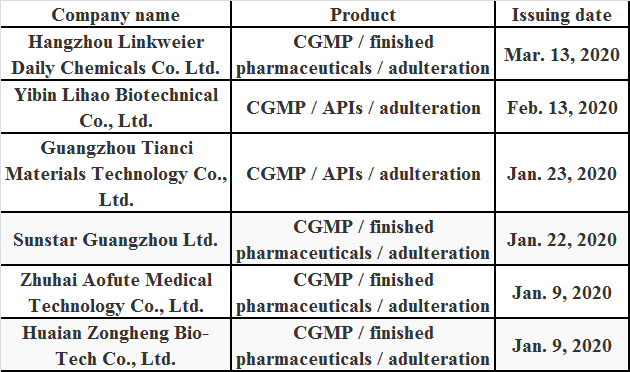
As seen from the warning letters, the GMP standard of some daily chemical and medical product enterprises needs to be improved, for example, deficiencies in the progress of quality management of the products. These deficiencies were common in warning letters to many companies, such as failure to conduct proper laboratory detections for each batch of drug products to determine whether they meet the final drug quality standards, including active ingredient and content identity, failure of detecting labeled active ingredients before releasing the drug products, and failure in the active ingredient identification and content determination of some products.
In 2020, the FDA issued more warning letters to Indian enterprises than to Chinese enterprises. However, further analysis shows that most of the site inspections involved in these warning letters occurred in 2019, namely, before the outbreak of the COVID-19 pandemic.
Part II: Data of EU Non-Compliance Reports (NCRs)
According to the data published in the EU GMP database, the EU issued four NCRs in 2020, involving countries including Switzerland, Austria, Poland, and India.
Table 2: EU NCRs in 2020
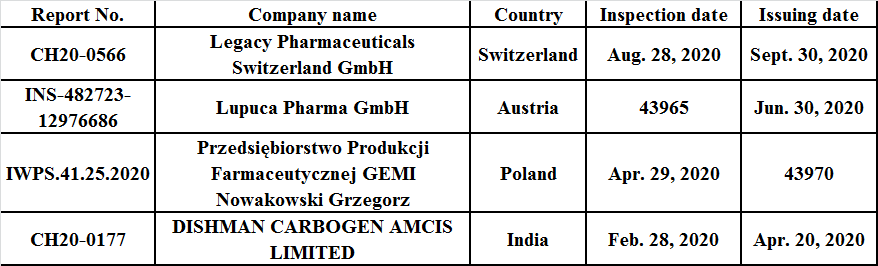
Through analysis of the above NCRs, the main deficiencies include:
Insufficient control over the air quality of clean rooms, incomplete verification of the air handling system, insufficient validation of sterile filtration operations, inadequate frequency of media fills (less than 2x/year) on some of the production lines, deviations occurred during the media fills were not coped with promptly, inadequate deviation management, etc., while the company’s quality systems were functional, there was a lack of management supervision. Therefore, the company’s sterile manufacturing management is considered not in compliance with GMP overall.
The company's manufacturing qualification license is limited. Based on the CAPA evaluation of the company, the manufacturing qualification license cannot be prolonged. Major systemic deficiencies that could not be resolved were in the areas of supplier qualification, change management, deviation management, qualification of equipment, validation of computerized systems, and good documentation practice.
Failure to take steps to prevent microbial and mold contamination and cross-contamination, use measures to properly investigate contamination during the progress of monitoring and quality control, equipment and plant were not properly cleaned and maintained. The manufacturer did not have adequate storage areas to ensure that the drugs were under control in the production processes.
The company’s...

























 (All Rights Reserved)