
FDA research has laid the groundwork for replacing the thorough QT (TQT) study, a costly clinical trial required to determine whether new drugs cause abnormal heart rhythms (arrhythmias), with a more precise, less costly, and faster approach to testing. Drugs with a high risk of causing arrhythmias will continue to be screened out, while potentially safe and effective drugs that might not have passed the TQT study will continue in development.
Several drugs were removed from the market in the 1990s and early 2000s because of un- or under-appreciated risk of a fatal arrhythmia. Beginning in 2005, most new drug compounds delivered through the bloodstream needed to pass a separate clinical trial, in addition to the traditional (Phases I-III) clinical trials that FDA required for drug development. This additional trial, called the TQT study, was added to determine whether the drug could cause a fatal heart arrhythmia.
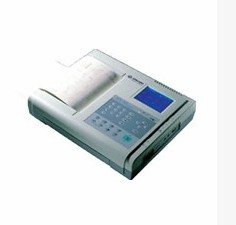
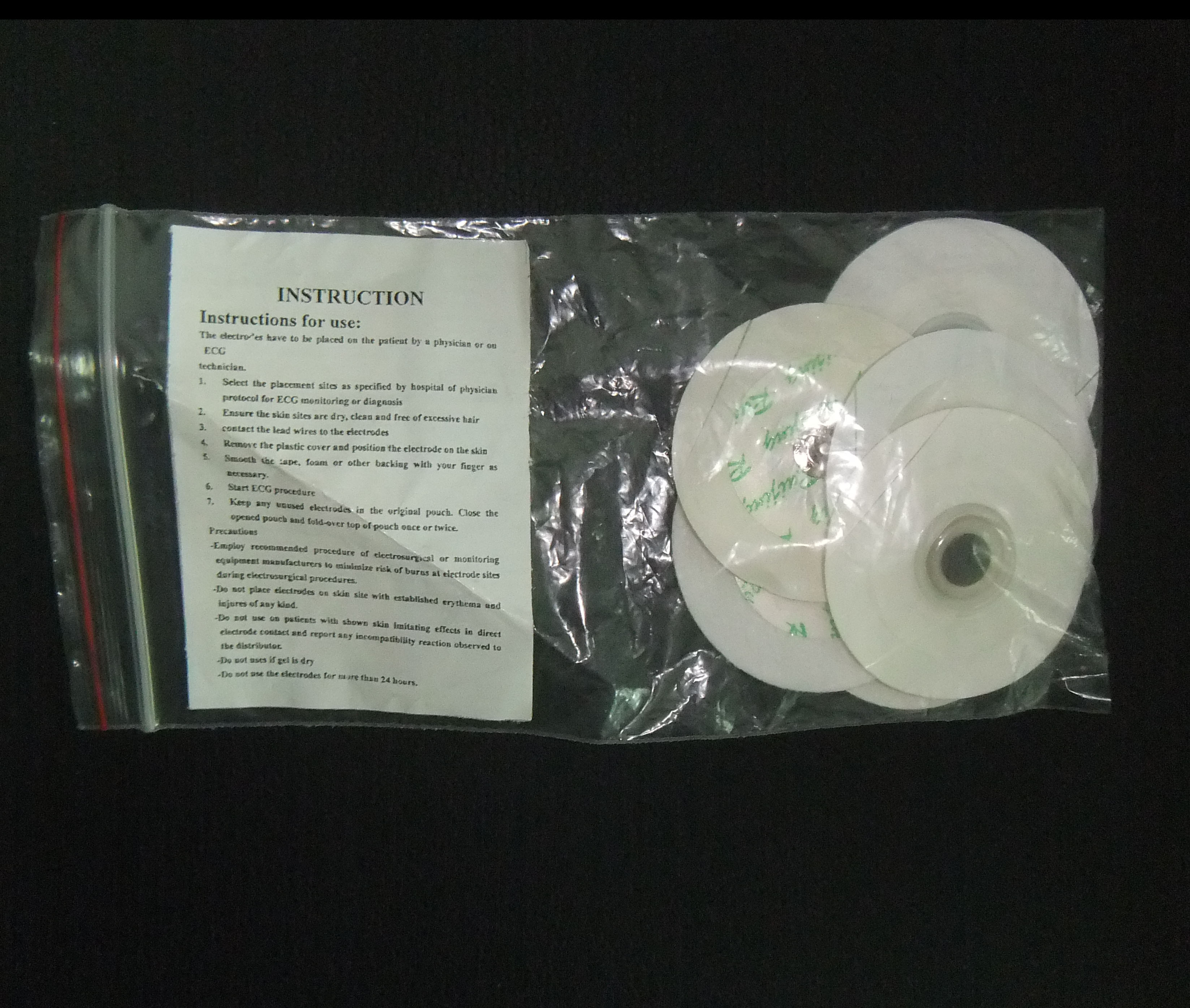
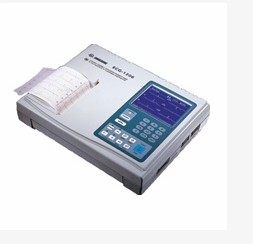
In a TQT study, healthy study participants are given a high dose of a candidate drug, and their heart activity is recorded on an electrocardiogram (ECG). If the drug prolongs the average time between the Q and T waves on the ECG more than 10 milliseconds, additional patient monitoring is required in clinical studies and development of the drug may stop.
Since 2005, approximately 450 TQT studies have been performed, costing drug developers more than $1 billion. No new drugs have been removed from the market because of arrhythmia risk since the test became mandatory, but it is not clear that the TQT approach identifies only the drugs with true risk.
How Did the TQT Study Come to Be Required for New Drug Compounds?
In the 1950s, doctors noted that some heart patients treated with quinidine developed fainting spells, convulsions, and, in some cases, sudden cardiac death. ECGs of these patients showed a rapid abnormal heartbeat that produced a spiked pattern called "torsade de pointes" (twisting of the points).
On the ECG, torsade was preceded by a subtle change, an increase in the QT interval—the time between the start of the Q wave and the end of the T wave in the heart's electrical cycle.
Drugs shown to prolong the QT interval and implicated in torsade included antihistamines, antidepressants, chemotherapeutics, pain medications, and others. Several of these drugs were withdrawn from the market. As the link between QT prolongation and potentially fatal cases of torsade became clearer, FDA began requiring a separate TQT study for most new drug molecules.
How Do Drugs Cause Harmful Arrhythmia?
The heartbeat is controlled by an electrical signal that passes through the heart (the ECG records this signal from various locations on the skin). In the individual muscle cells (myocytes) of the heart, this signal is caused by the opening and closing of specialized channels in the membrane enclosing the cell that control the passage of calcium, sodium, and potassium ions.
The movement of these ions across the cell membrane causes a cyclic electrical change known as the action potential, which signals the muscle cell to contract. Action potentials are quickly propagated, so an electrical current and a wave of contraction passes through the heart muscle in the course of a heartbeat.
When a drug interferes with one or more kinds of ion channels, the action potential and the electrical current that controls the heart's contraction may be disrupted; this can lead to dangerous arrhythmias.
FDA and Partners Identify TQT Study Alternatives
Streamlining Clinical Evaluation by Incorporating the TQT Study Into Phase I Trials
Recognizing the costs and additional time required for the TQT study, FDA and its scientific collaborators wanted to know if it was possible to measure QT prolongation in the Phase I study (i.e., in a small number of people being given escalating doses of a drug) instead of in a separate TQT study. FDA and its collaborators conducted a study designed like a Phase I trial of drugs that had already undergone a TQT study and used an analytical approach called exposure-response modeling to determine QT prolongation. The results were consistent with the drug-induced changes in QT intervals observed in the previous TQT studies, demonstrating that ECG assessment in Phase I studies was an appropriate replacement for a TQT study.
...
























 (All Rights Reserved)