
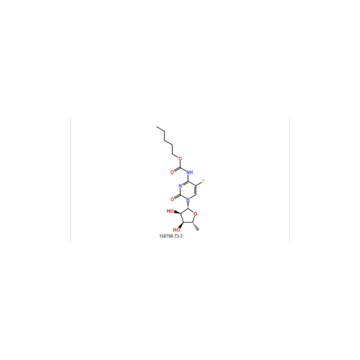
Fluorouracil has been used in clinical treatment for more than half a century. Capecitabine, an oral prodrug of fluorouracil, is very convenient to use and is one of the classical chemotherapeutics widely used in clinical practice. Since marketed in China in 2001, the applied range of capecitabine has continued to expand from advanced-stage therapy to adjuvant and neoadjuvant therapy, providing benefits for both HER2-negative/triple-negative breast cancer and HER2-positive breast cancer. It has been playing an indispensable role in the whole-process management of breast cancer in the recent two decades. Today, let’s review the great journey that this classical chemotherapeutic drug has been through.

Unique administration method of capecitabine making it an ideal option for metronomic chemotherapy
Metronomic chemotherapy is an emerging maintenance treatment method which controls the growth of tumors with low-dose, high-frequency, non-intermittent or short-intermittent drug administration modes in recent years. Capecitabine is an ideal option for metronomic chemotherapy owing to its convenience in oral administration and flexible dosage. Metronomic chemotherapy with capecitabine has achieved important progress in treating HER2-negative advanced breast cancer: the VICTOR-2 study enrolled patients with locally advanced or metastatic HER2-negative breast cancer, who were divided into first-line and second-line treatment groups based on whether they had received prior salvage chemotherapy; all patients received 40mg/d of oral vincristine soft capsules on day 1, 3, and 5 of each week and 500mg of capecitabine three times a day, continuous medication until progression of disease; the primary endpoint was the clinical benefit rate (CBR) at 24 weeks; the study enrolled 86 patients, of which 65% were HR-positive patients and 35% had triple-negative breast cancer; in HR-positive patients receiving combination metronomic chemotherapy, the CBR was 55.8%, with the CBR of first-line patients and second-line patients being separately 50% and 60%.
Capecitabine in combination with targeted therapy regimens achieving superior results in HER2-positive advanced breast cancer
In terms of combination with other targeted drugs, the phase II clinical study of pyrotinib showed that in patients with HER2-positive advanced breast cancer who were previously treated or not treated with trastuzumab and received not more than 2 lines of chemotherapy, the combination of capecitabine and pyrotinib was superior to the combination of capecitabine and lapatinib (median PFS was separately 18.1 months and 7.0 months). In patients with HER2-positive advanced breast cancer who failed trastuzumab treatment, the PHENIX study showed that the combination of capecitabine and pyrotinib had better efficacy than pyrotinib monotherapy (the median PFS was separately 11.1 months and 4.1 months).
Based on the results of the above two studies, the Guidelines of CSCO for the Diagnosis and Treatment of Breast Cancer 2020 mentions that the combination of pyrotinib and capecitabine is increased for people who have not used trastuzumab or who are eligible for reusing it; the recommendation for the combination of pyrotinib and capecitabine is adjusted to Level I for people who have failed trastuzumab treatment.
The CREATE-X study establishing capecitabine’s position as the standard postsurgical adjuvant therapy for TNBC
The New England Journal of Medicine published a JBCRG04 (CREATE-X) study of Japan and South Korea in 2017, which was designed to investigate the efficacy and safety of capecitabine, as an adjuvant therapy, in patients who have not reached pCR (pathologic complete response) after the preoperative neoadjuvant chemotherapy. As a multicenter phase III clinical study, it enrolled ...

































 (All Rights Reserved)