
Cocaine and other drugs of abuse hijack the natural reward circuits in the brain. In part, that's why it's so hard to quit using these substances. Moreover, relapse rates hover between 40 and 60 percent, similar to rates for other chronic conditions like hypertension and Type 1 diabetes. University of Pennsylvania behavioral pharmacologist and neuroscientist Heath Schmidt studies how long-term exposure to drugs such as cocaine, nicotine, and prescription opioids affects the brain and how these changes promote relapse in someone who has kicked the habit. A recent paper, published in the Nature journal Neuropsychopharmacology, investigated a novel treatment for cocaine addiction, something that touches 900,000 people in the United States annually.

"As a basic scientist I'm interested in how the brain functions during periods of abstinence from cocaine and other drugs and how neuro-adaptations in the brain promote relapse back to chronic drug taking," he explains. "From the clinicians' perspective, they're looking for medications to try to prevent relapse. Our goal as basic scientists is to use animal models of relapse to identify novel medications to treat cocaine addiction."
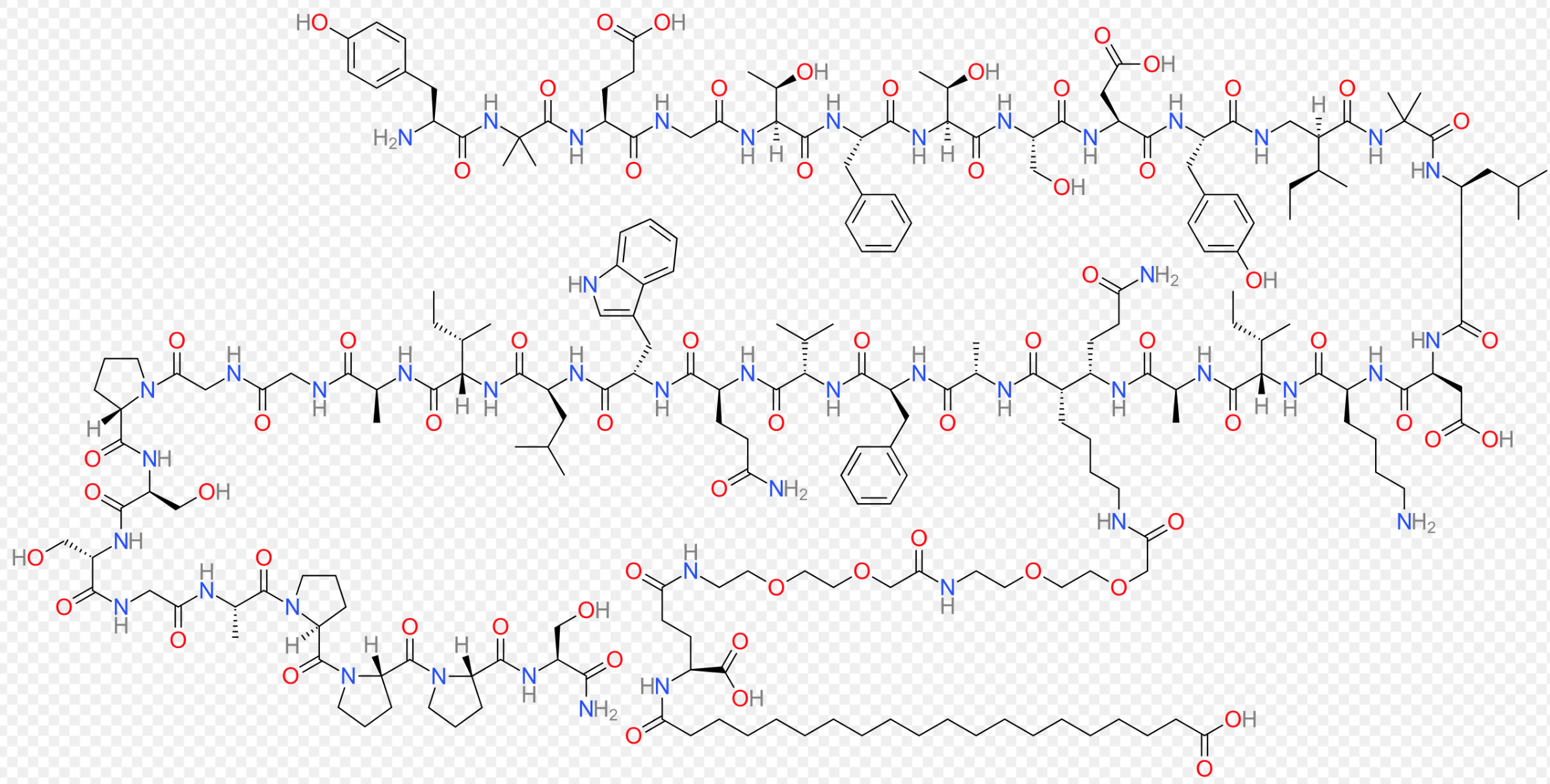
Schmidt and colleagues from Penn Nursing and Penn Medicine had hypothesized that the neural mechanisms and neural circuits in the brain that play a role in food-seeking might overlap with those key to drug-taking. Through several experiments, they discovered that drugs that activate receptors for glucagon-like peptide 1 (GLP-1), a hormone that reduces food intake and blood glucose levels, could actually decrease the desire to seek out cocaine. What's more, there are several FDA-approved medications used to treat diabetes and obesity that already target GLP-1 receptors.
"One of the first questions we had - and we were really just kind of curious - was, does cocaine at all affect circulating levels of metabolic factors like leptin, insulin, GLP-1 that have been shown to regulate food intake?" says Schmidt, whose primary appointment is in Penn's School of Nursing.
The research team got its answer from a simple experiment with a rat animal model: Blood drawn after 21 days of cocaine intake revealed decreased levels of the GLP-1 hormone. Though the primary cells that synthesize and release this hormone are found in the small intestine, there's also a source in the brain called the nucleus tractus solitarius.
"Knowing all of this got us interested in GLP-1," Schmidt says. "Does it actually play a role in modulating cocaine-mediated behaviors?"
From there, the research team homed in on GLP-1 receptors and the drugs that activate them, what are known as receptor agonists. To test the efficacy of the medications in question, Schmidt and colleagues used an animal model of relapse with rats. For a three-week period, the rats could press a lever for intravenous infusions of cocaine as frequently as they desired. On average, the animals self-administered 28 infusions of cocaine each day.
The scientists then swapped out the cocaine for saline, leading to a period of withdrawal. Lever-pressing rates dropped significantly.
"At that point, we considered drug-taking to be extinguished," Schmidt says. "We then reinstated drug-seeking by re-exposing the rats to the drug itself or to cues paired with the drug during the self-administration phase, like a light that comes on when the lever gets pressed."
Once again rats depressed the lever at high rates, an indication that they were seeking the drug - akin to relapse in a human who is addicted.
The researchers next pretreated the animals with one of the FDA-approved drugs intended for diabetes and obesity treatment, Exendin-4, to determine whether it might reduce or altogether block cocaine-seeking. Results showed a significant decrease in drug-craving and -seeking, both after an acute injection of cocaine and from re-exposure to environmental cues during withdrawal.
"This tells us Exendin-4 can block t...

































 (All Rights Reserved)