Product Description
[Zn(L-5-HTP)2Cl2]H2O Coordination compounds of zinc(ll) with L-5-hydroxytryptophan
Type :Griffonia seed extract
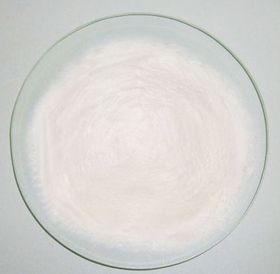
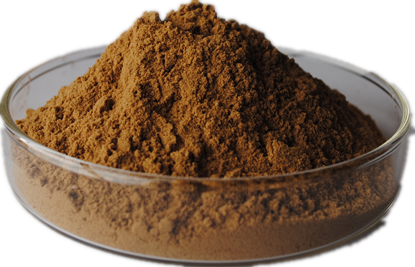
Appearance :powder
Part : seed
Extraction Method : Solvent Extraction
Packing : bottle , drum , vacuum packed
Grade : medicine grade
Molecular formula : C22H28N4O8Cl2Zn
Function : Anti obesity API
Contact :
Trading manger : Helen Tan
Whatsapp : +86 13930229229
Website : www.blrhbio.com
AI Product Description
*The following content is generated by AI and is for reference only.
The compound [Zn(L-5-HTP)₂Cl₂]·H₂O represents a specialized coordination complex formed between zinc(II) ions and the essential amino acid derivative L-5-hydroxytryptophan (L-5-HTP). While a specific CAS registry number is not universally assigned to this exact hydrate formulation in major commercial databases due to its likely status as a research-grade or academic synthesis product, its chemical identity is defined by the stoichiometric assembly of one zinc cation, two L-5-HTP ligands, two chloride anions, and one water molecule. The molecular formula is C₂₂H₂₈Cl₂N₄O₉Zn, reflecting the precise atomic composition derived from the coordination of the organic ligand with the metal center.
This coordination compound serves primarily as a subject of advanced inorganic and medicinal chemistry research rather than a widely available consumer commodity. Its primary utility lies in investigating the bio-inorganic interactions between transition metals and neurotransmitter precursors. Zinc plays a critical role in biological systems, acting as a cofactor for numerous enzymes, while L-5-HTP is a direct precursor to serotonin, regulating mood, sleep, and appetite. By forming a stable complex, researchers can study how zinc modulates the transport, stability, and bioavailability of L-5-HTP within physiological environments. Such studies are vital for developing novel therapeutic strategies targeting neurological disorders, including depression, anxiety, and sleep disturbances. Furthermore, analyzing the crystal structure and coordination geometry of this complex provides fundamental insights into ligand-field theory and the steric constraints imposed by the indole ring system of tryptophan derivatives on metal centers. Although currently limited to laboratory settings, understanding these interactions could eventually lead to the design of more effective zinc-based nutraceuticals or pharmaceutical agents that optimize serotonin synthesis pathways. As with all coordination compounds of this nature, handling requires strict adherence to safety protocols, ensuring proper ventilation and personal protective equipment to manage potential toxicity associated with heavy metals and organic amines. Future applications may extend into materials science, exploring the optical or magnetic properties inherent to such metallo-supramolecular assemblies.

![[Zn(L-5-HTP)2Cl2]H2O Coordination compounds of zinc(ll) with L-5-hydroxytryptophan C22H28N4O8Cl2Zn](https://eimg.pharmasources.com/image/product/20200619/1eb6e7e5e4aad9846586342d93ca8873jpg)
![[Zn(L-5-HTP)2Cl2]H2O Coordination compounds of zinc(ll) with L-5-hydroxytryptophan C22H28N4O8Cl2Zn](https://eimg.pharmasources.com/image/product/20200619/a70d05bb3a6f9d3f1028d2e5ca74f208jpg)

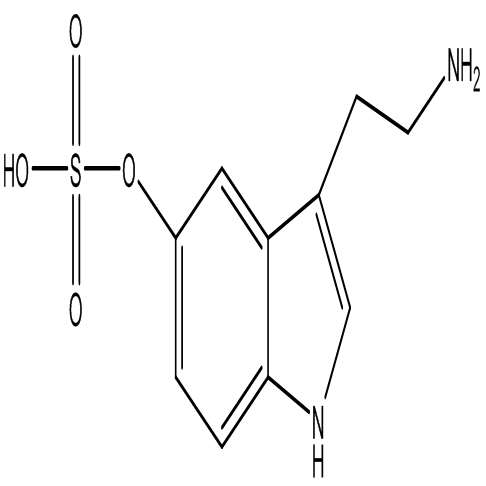
![benzyl-N-[2-(5-hydroxy-1H-indol-3-yl)]carbamate,CAS:53157-50-10](https://eimg.pharmasources.com/image/product/20200619/d2cc2c1ed1aacb4b50276ca2a7970df2jpg)










 (All Rights Reserved)