Product Description
[Zn(L-5-HTP)2Cl2]H2O Coordination compounds of zinc(ll) with L-5-hydroxytryptophan
Type :Griffonia seed extract
Appearance :powder
Part : seed
Extraction Method : Solvent Extraction
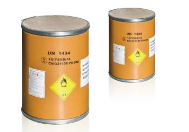
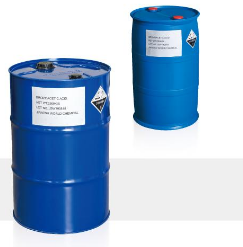
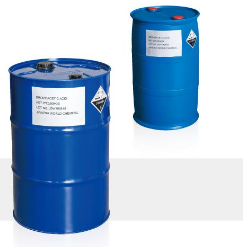
Packing : bottle , drum , vacuum packed
Grade : medicine grade
Molecular formula : C22H28N4O8Cl2Zn
Function : Anti obesity API
Contact :
Trading manger : Helen Tan
Whatsapp : +86 13930229229
Website : www.blrhbio.com
AI Product Description
*The following content is generated by AI and is for reference only.
The coordination compound [Zn(L-5-HTP)₂Cl₂]·H₂O represents a sophisticated inorganic-organic hybrid material formed by the interaction of zinc(II) ions with L-5-hydroxytryptophan (L-5-HTP), a crucial metabolic precursor to serotonin. Its molecular formula is C₂₂H₂₄Cl₂N₄O₉Zn, reflecting the stoichiometry of two L-5-HTP ligands, two chloride anions, one central zinc cation, and one lattice water molecule. While specific commercial CAS registry numbers for this exact hydrated complex are not always universally listed as standalone bulk chemicals compared to their free acid precursors, it is structurally defined within specialized literature on metal-amino acid complexes. This compound serves primarily as a subject of academic research rather than a widely available consumer product or industrial reagent.
In the realm of bioinorganic chemistry, such complexes are investigated for their potential therapeutic applications, particularly concerning the modulation of neurotransmitter pathways. Zinc plays a vital role in stabilizing protein structures and enzymatic functions, while L-5-HTP is essential for regulating mood, sleep, and appetite. By coordinating these two components, researchers aim to explore enhanced bioavailability or targeted delivery mechanisms for treating neurological disorders such as depression, anxiety, or sleep disturbances. The crystal structure typically reveals a distorted tetrahedral or octahedral geometry around the zinc center, where the amino and carboxylate groups of the tryptophan derivative chelate the metal ion, potentially protecting the labile functional groups during transport within biological systems.
Furthermore, these materials offer insights into the fundamental principles of coordination chemistry, specifically regarding the stability constants and binding affinities between transition metals and biologically active amino acids. They may also serve as model systems for studying drug-metal interactions or designing novel pharmaceutical formulations. Although currently limited to laboratory synthesis and characterization studies, the development of such zinc-L-5-HTP complexes holds promise for future advancements in medicinal chemistry. Their unique properties could lead to innovative treatments that leverage the synergistic effects of metal ions and neurotransmitter precursors, offering a more effective approach to managing conditions linked to serotonin deficiency. As research progresses, the synthesis protocols and pharmacological profiles of this compound will likely be refined to unlock its full clinical potential.

![[Zn(L-5-HTP)2Cl2]H2O Coordination compounds of zinc(ll) with L-5-hydroxytryptophan C22H28N4O8Cl2Zn](https://eimg.pharmasources.com/image/product/20200619/ec5292f6a1b8f0e329c1dba38ab329dejpg)
![[Zn(L-5-HTP)2Cl2]H2O Coordination compounds of zinc(ll) with L-5-hydroxytryptophan C22H28N4O8Cl2Zn](https://eimg.pharmasources.com/image/product/20200619/a6e8beb6934e0fa6f6f8af1af26e0fcfjpg)

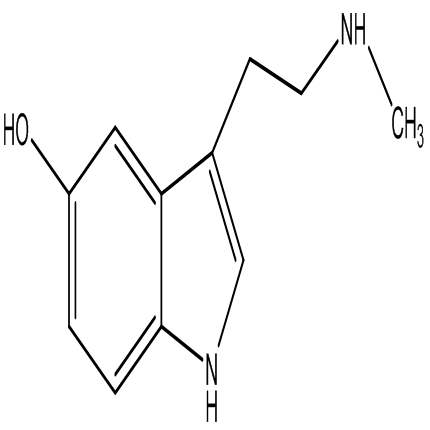
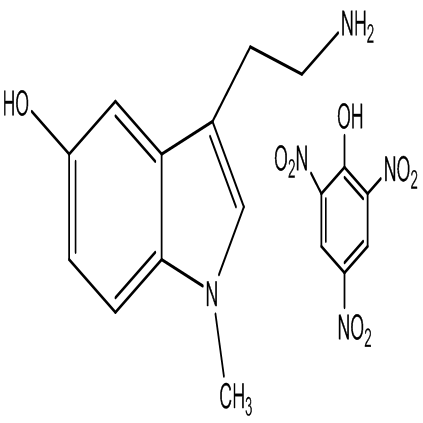
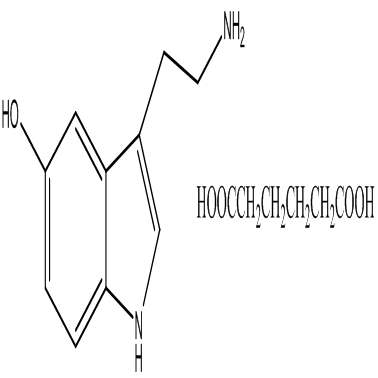
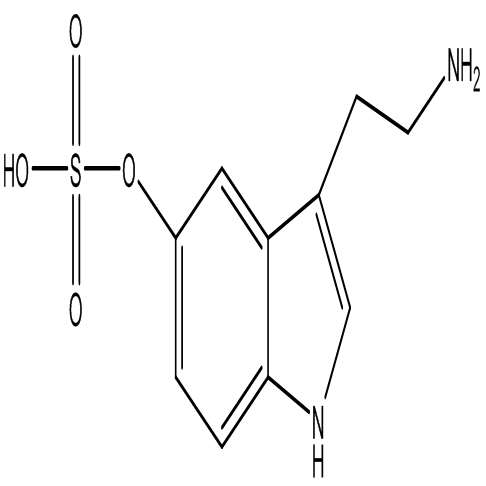
![benzyl-N-[2-(5-hydroxy-1H-indol-3-yl)]carbamate,CAS:53157-50-10](https://eimg.pharmasources.com/image/product/20200619/d2cc2c1ed1aacb4b50276ca2a7970df2jpg)
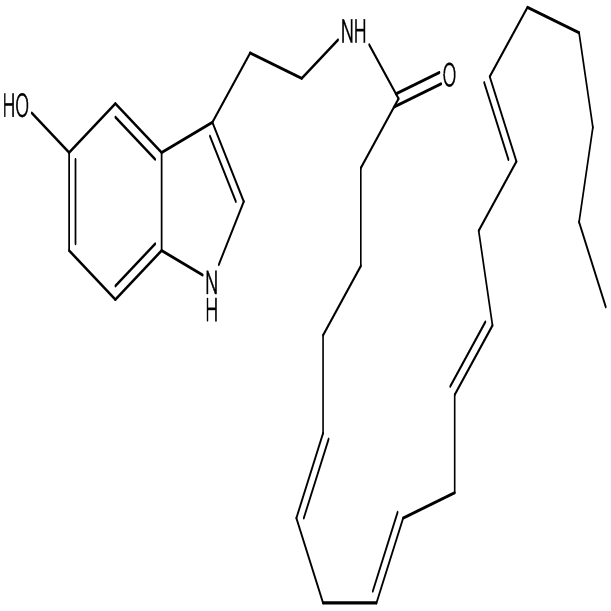
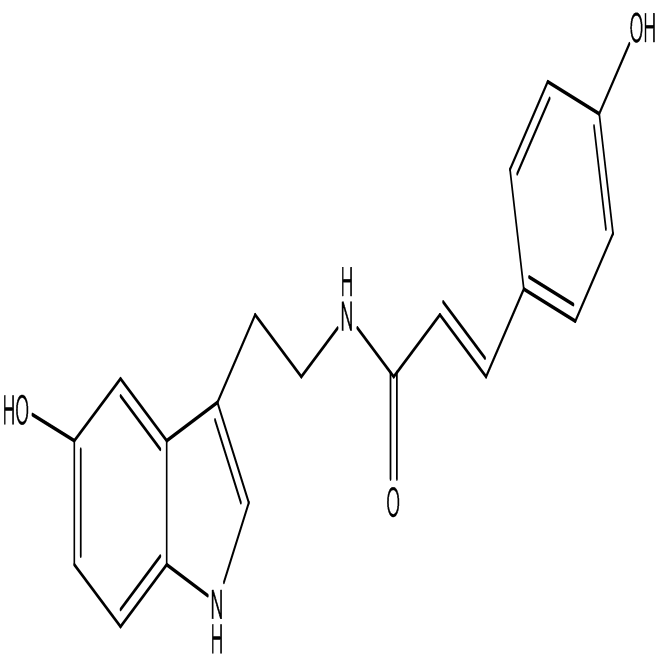






 (All Rights Reserved)