Introduction
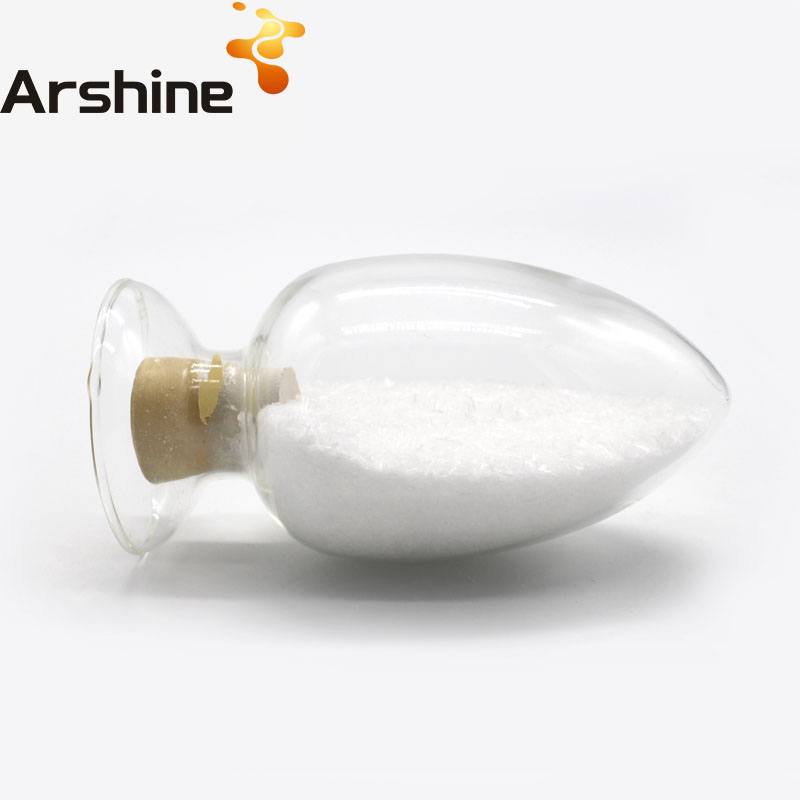
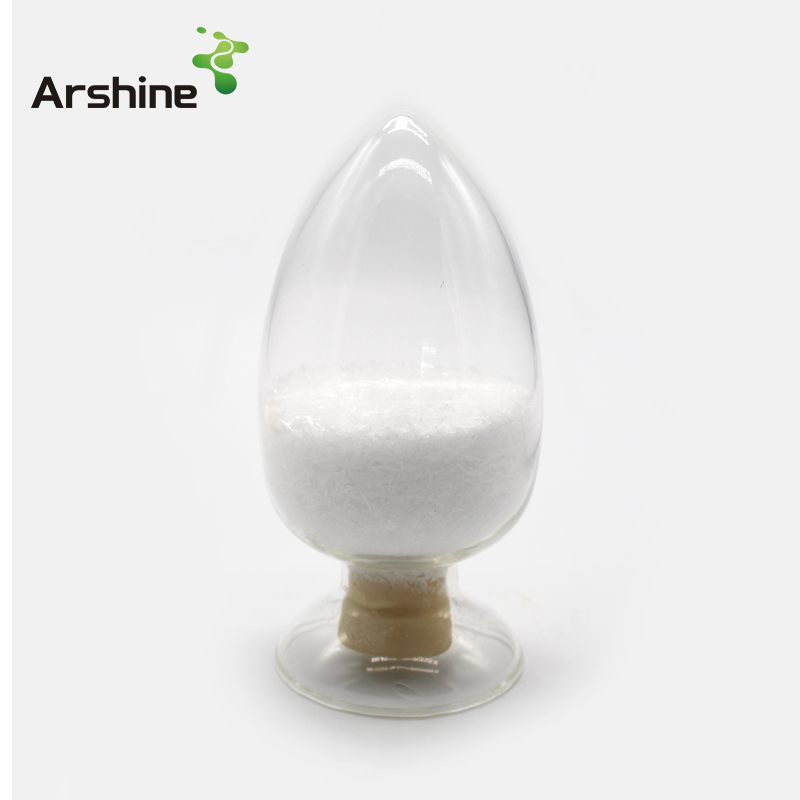
Zinc Malate is white powder and no smell. It is lightly dissolved in water and mineral and acid or alkali hydroxide. Its molecular formular is C4H4O5Zn2H2O and molecular weight is 233.47. It is used for nourishment consolidating dose.
Functions and Applications
<
| Items |
Specification |
| Assay % |
98.0-103.0 |
| Loss on drying % |
≤16.0 |
| Chloride(as Cl-) % |
≤0.05 |
| Sulphate(as SO42-) % |
≤0.05 |
| Heavy Metals(as Pb) % |
≤0.001 |
| Arsenic(as As) % |
≤0.0003 |
OEM Service: Small sachet package available with your label
Normal Packing: 1kg/ Aluninum foil bag, 25kgs/ fiber drum ( Double plastic bags inside or as customer's requirements.)
Storage: Store in tight, light-resistant containers, avoid exposure to direct sunlight, moisture and excessive heat.
Shelf Life: 24 months.
Delivery: By courier door to door (DHL, FedEx, TNT), by air, by sea
*The following content is generated by AI and is for reference only.
Zinc Malate, available in both anhydrous and dihydrate forms, is a highly bioavailable zinc salt formed by the reaction of zinc oxide or carbonate with malic acid. Its primary chemical identity is defined by the CAS number 13602-75-4 for the general compound, though specific hydration states may have distinct registry variations. The molecular formula for the anhydrous form is typically represented as C₄H₂O₆Zn, while the dihydrate variant includes two water molecules (C₄H₆O₈Zn·2H₂O). This compound is distinguished by its excellent solubility in water compared to other zinc salts like zinc oxide or zinc sulfate, making it a preferred choice for nutritional supplementation and pharmaceutical applications where rapid absorption is critical.
The primary utility of Zinc Malate lies in its role as a dietary supplement to prevent and treat zinc deficiency. Due to the chelating effect of the malate ligand, the body absorbs this form more efficiently than many inorganic alternatives, ensuring higher bioavailability with potentially lower gastrointestinal irritation. Consequently, it is widely utilized in multivitamin formulations, effervescent tablets, and liquid supplements designed to support immune function, wound healing, and DNA synthesis. Beyond human nutrition, Zinc Malate serves as a vital ingredient in animal feed additives to promote growth performance and maintain metabolic health in livestock and poultry. In the cosmetic industry, it is occasionally incorporated into skin care products for its antimicrobial properties and ability to regulate sebum production, aiding in the management of acne-prone skin. Furthermore, researchers utilize this compound in biochemical studies to investigate metal ion transport mechanisms and enzyme activation processes within biological systems. As regulatory standards evolve, manufacturers emphasize the purity and stability of both anhydrous and dihydrate grades to meet global pharmacopeial requirements, ensuring consistent quality across diverse industrial sectors ranging from food fortification to advanced therapeutic development.