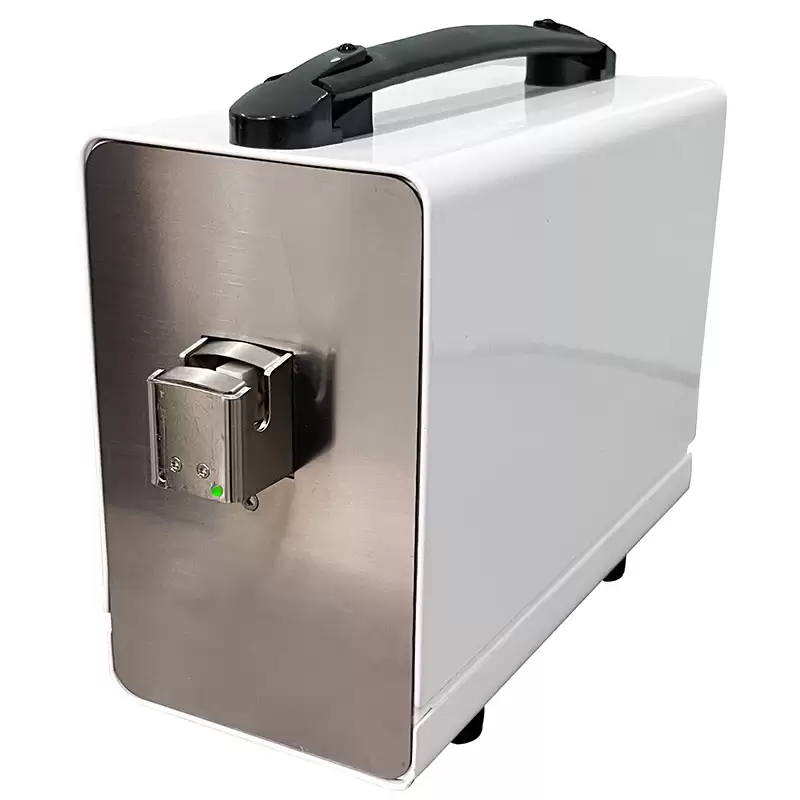
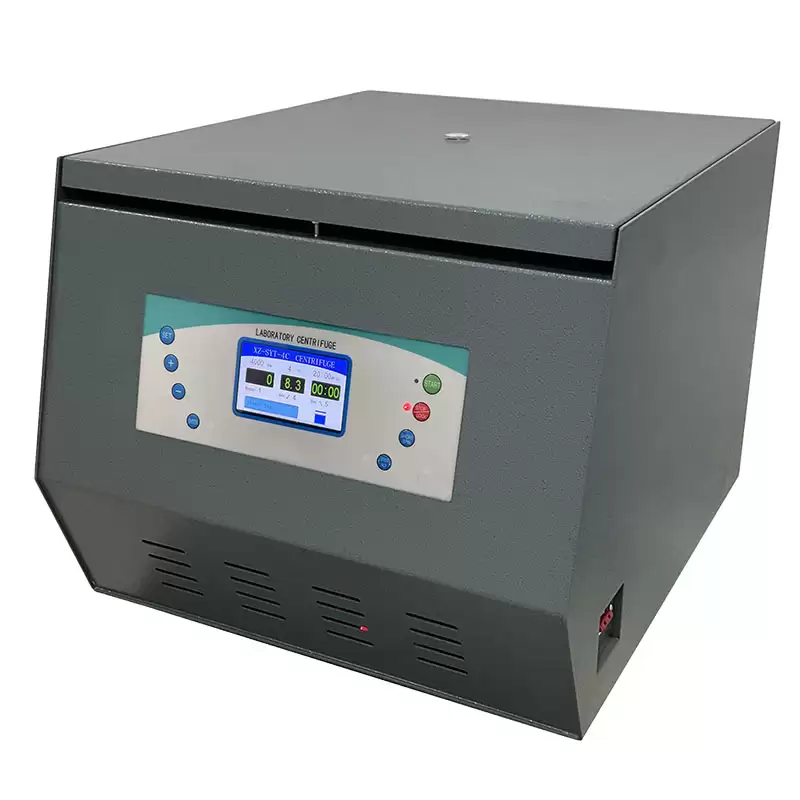
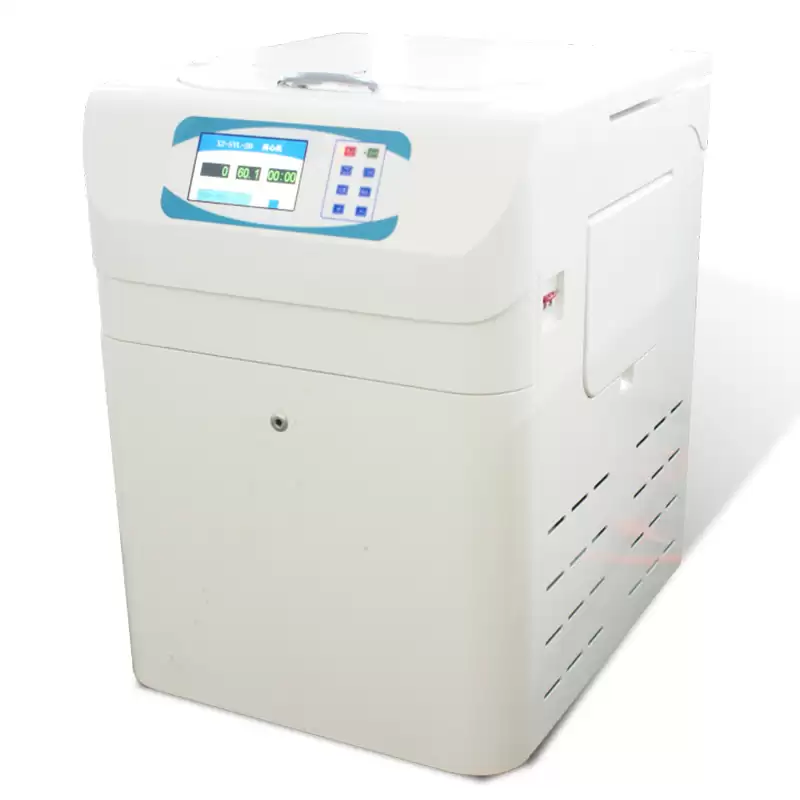
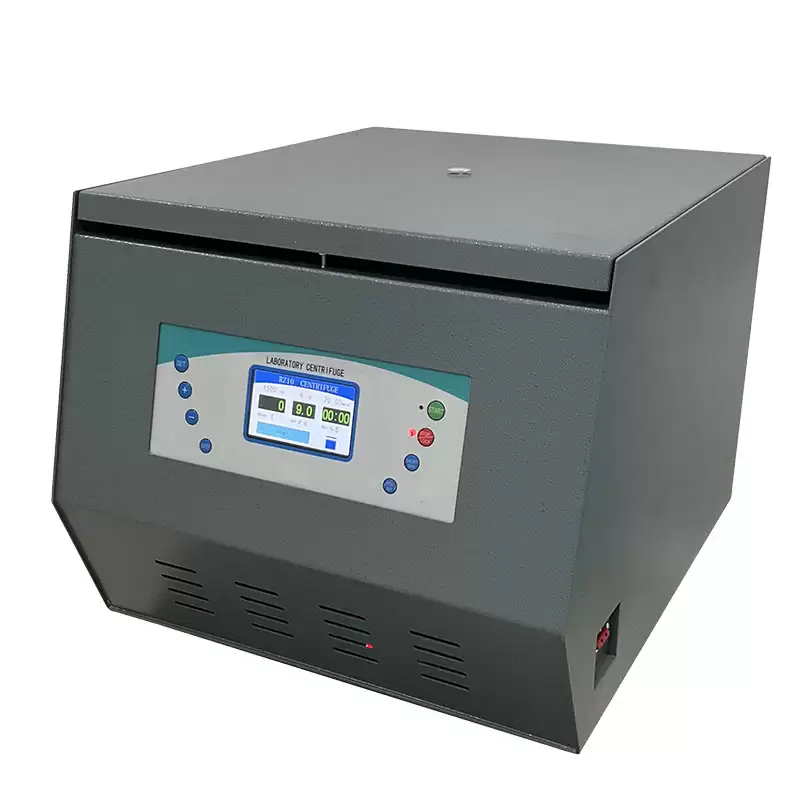
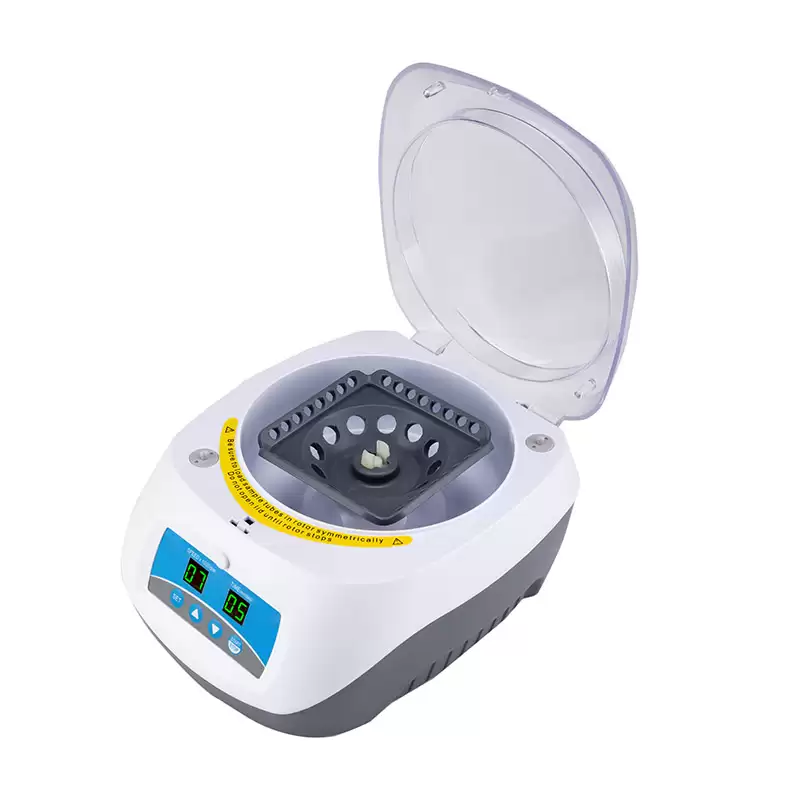
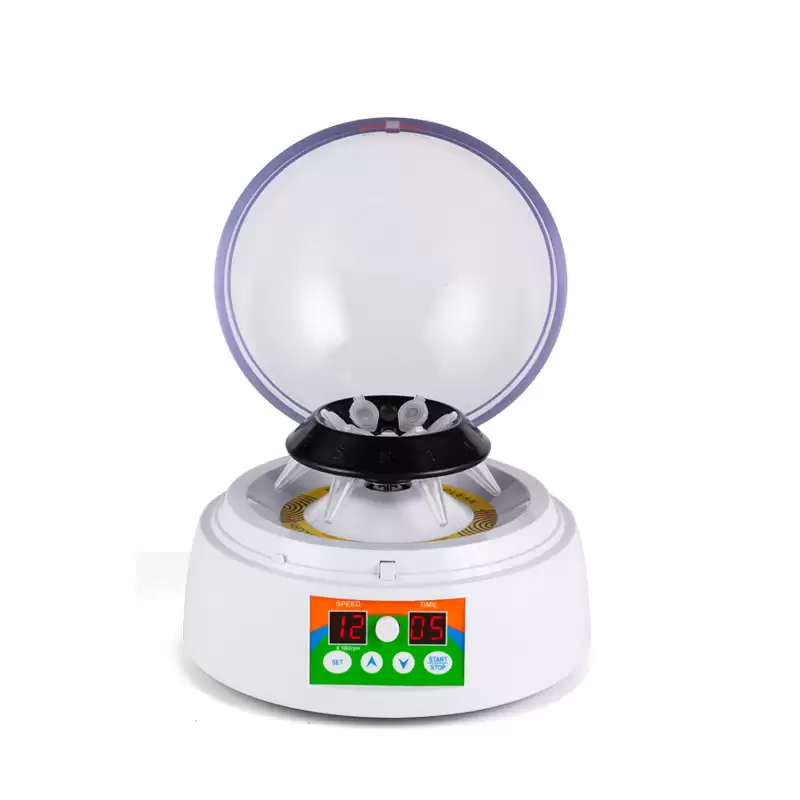
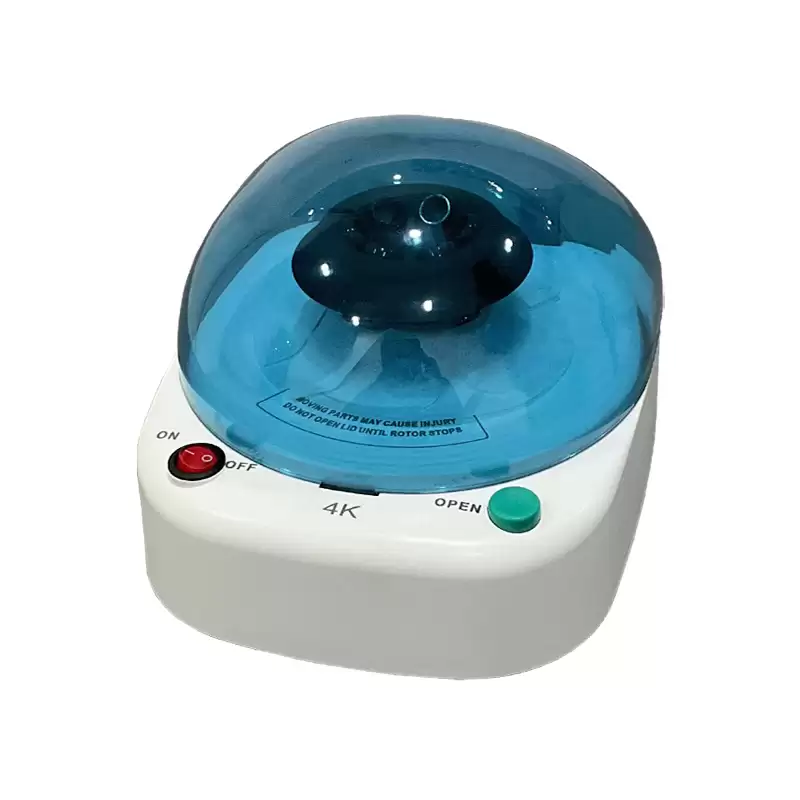
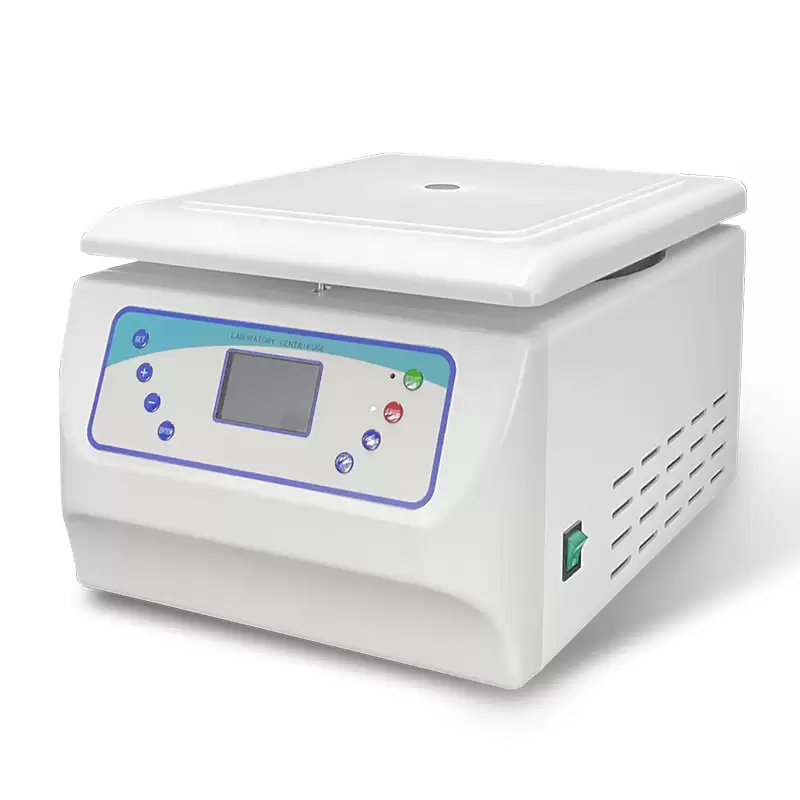
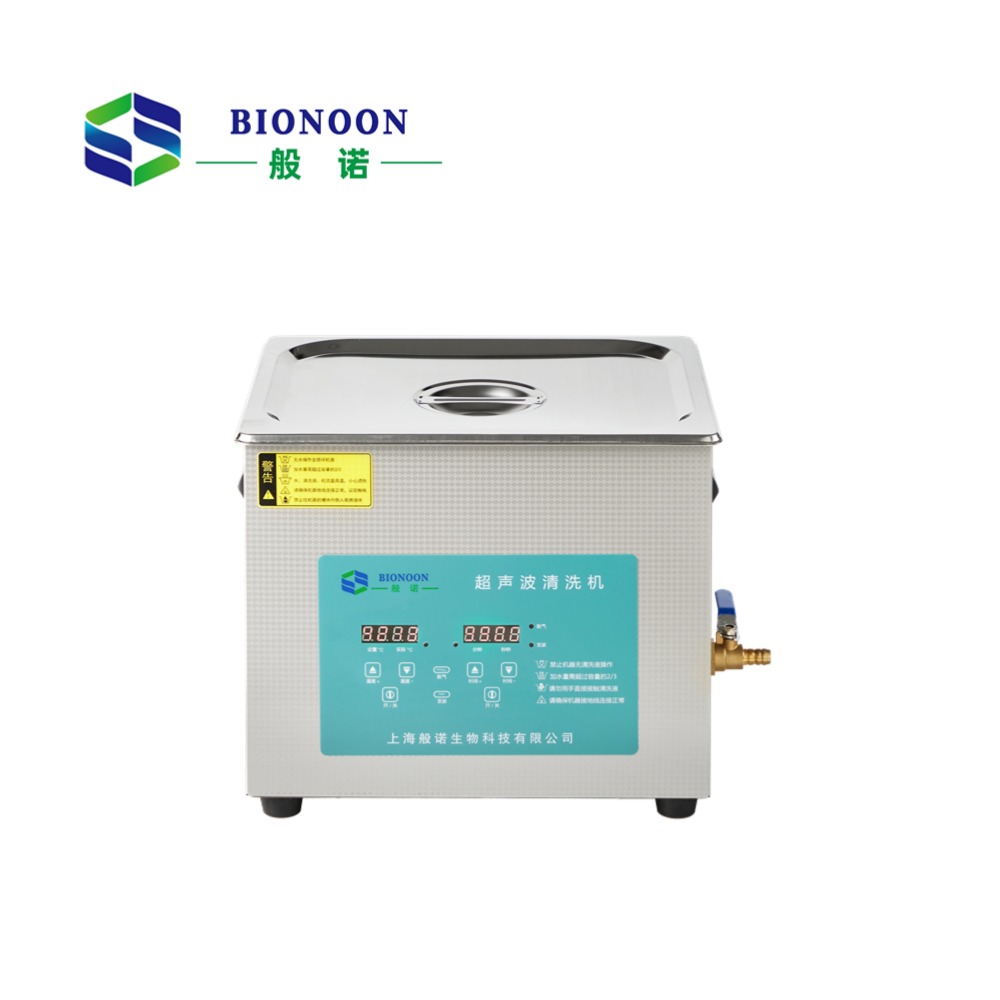
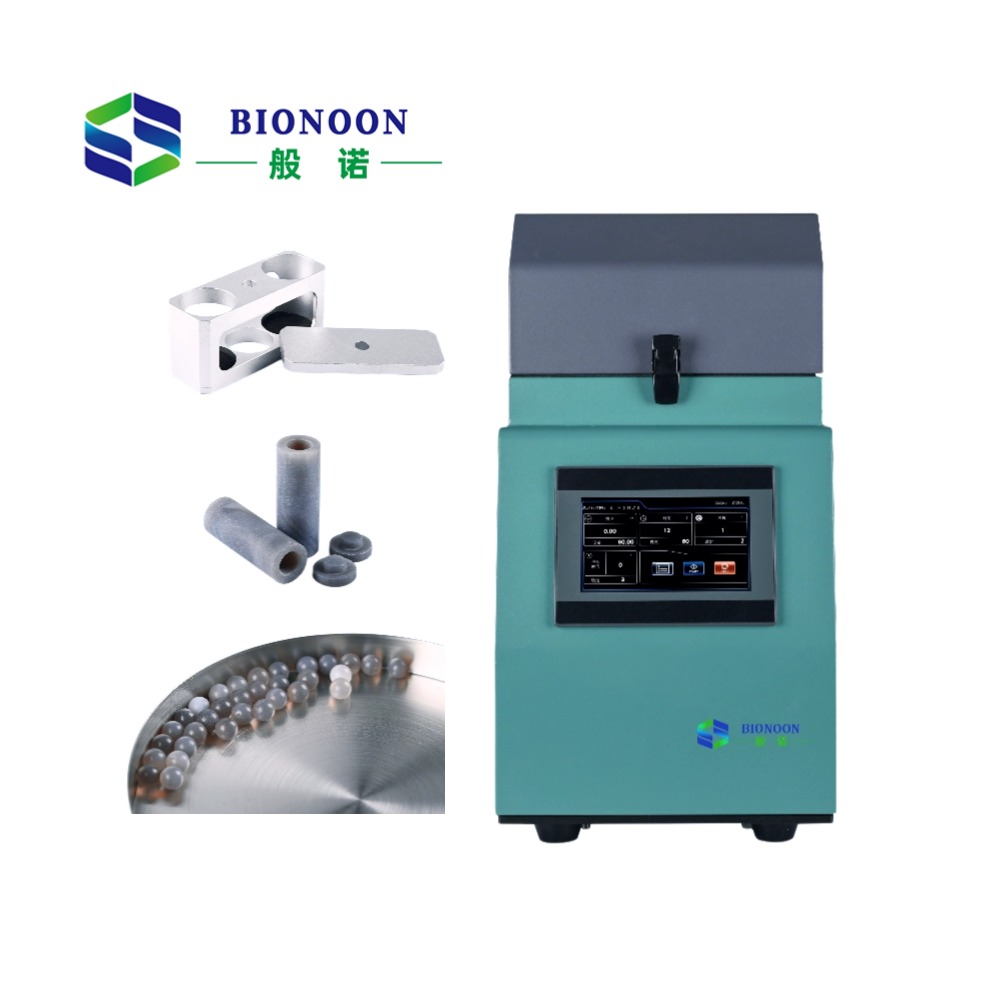
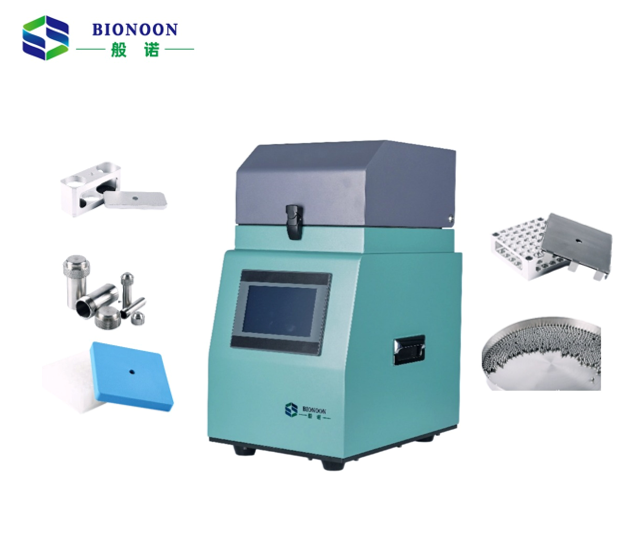
Product Description
It is widely used in bioengineering, biological engineering, Genetic engineering, immunology. It is suitable for the separation and purification of radioimmunoassay, water analysis, biochemistry, pharmaceutical and blood products.
AI Product Description
*The following content is generated by AI and is for reference only.
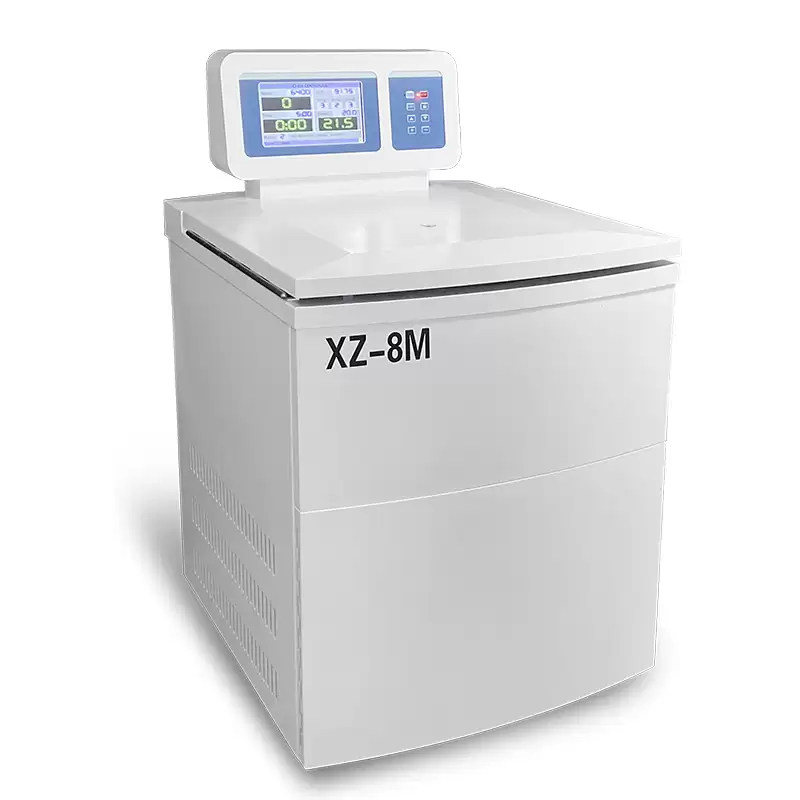
The XZ-8M Floor-top High-Capacity Centrifuge is a sophisticated refrigerated laboratory instrument designed for high-throughput separation tasks in demanding research and clinical environments. Its primary function is to separate components of biological fluids, such as blood, plasma, serum, urine, and cell cultures, based on their density differences under controlled centrifugal force. The unit features a spacious floor-standing design with a large capacity rotor, allowing researchers to process numerous samples simultaneously, significantly enhancing workflow efficiency in hospitals, pharmaceutical labs, and biotechnology facilities.
A defining characteristic of this equipment is its advanced refrigeration system, which maintains precise temperature control throughout the operation. This capability is critical when processing heat-sensitive biological materials, ensuring sample integrity and preventing degradation caused by frictional heat generated during high-speed rotation. The machine typically operates at variable speeds ranging from low RPMs up to maximum limits suitable for various rotor types, offering flexibility for applications requiring gentle pelleting or rigorous differential centrifugation.
Safety and operational reliability are paramount in the design of this centrifuge. Users must strictly adhere to load balancing protocols; even minor imbalances can cause severe mechanical stress, potentially leading to equipment failure or safety hazards. Before operation, it is essential to verify that the rotor is securely locked and that the lid is fully closed to engage automatic safety interlocks. Furthermore, regular maintenance of the cooling system and rotor inspection for corrosion or cracks are necessary to ensure long-term performance. Operators should also be aware of the specific maximum speed ratings for each rotor type to prevent catastrophic structural failure. Proper ventilation around the unit is required to dissipate heat effectively. By following these guidelines, laboratories can leverage the high capacity and precision of this centrifuge to achieve accurate, reproducible results while maintaining a safe working environment.





 (All Rights Reserved)