Product Description
It is widely used in clinical medicine, clinical laboratory, biological engineering, Genetic engineering, immunology. It is suitable for the separation and purification of radioimmunoassay, water analysis, biochemistry, pharmaceutical and blood products.
AI Product Description
*The following content is generated by AI and is for reference only.
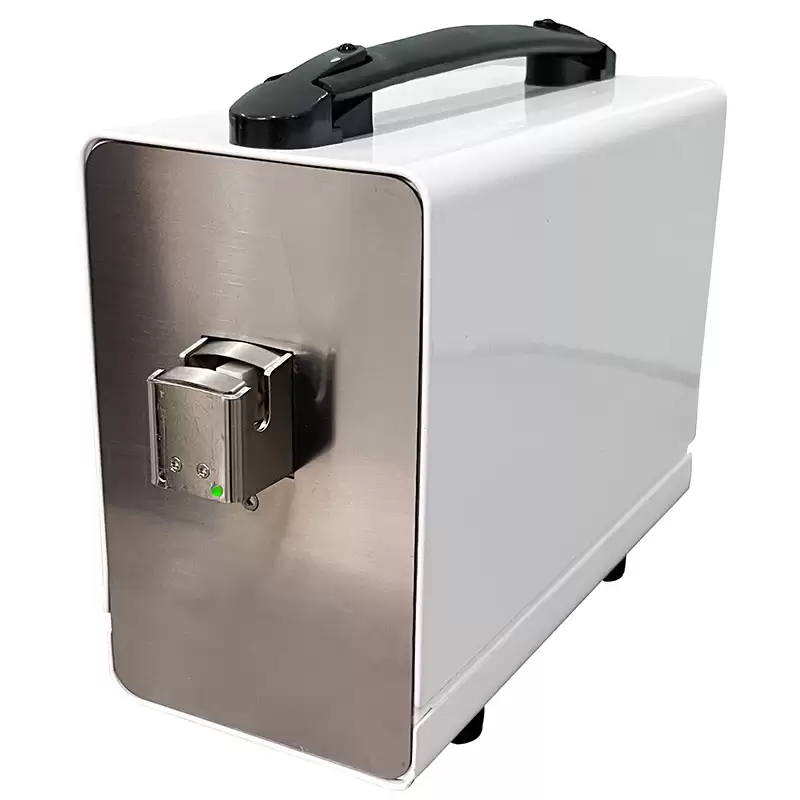
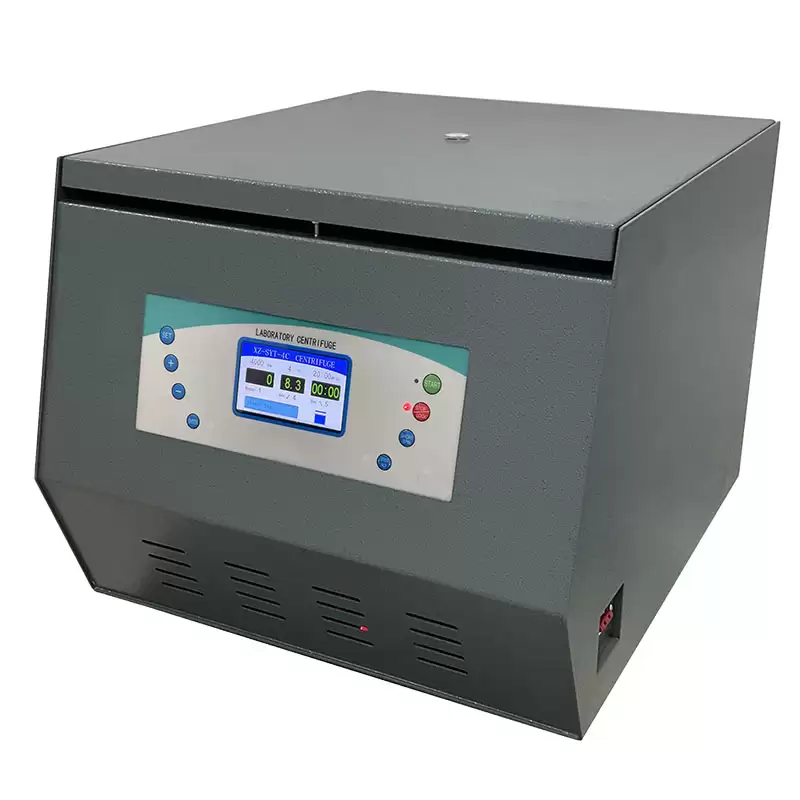
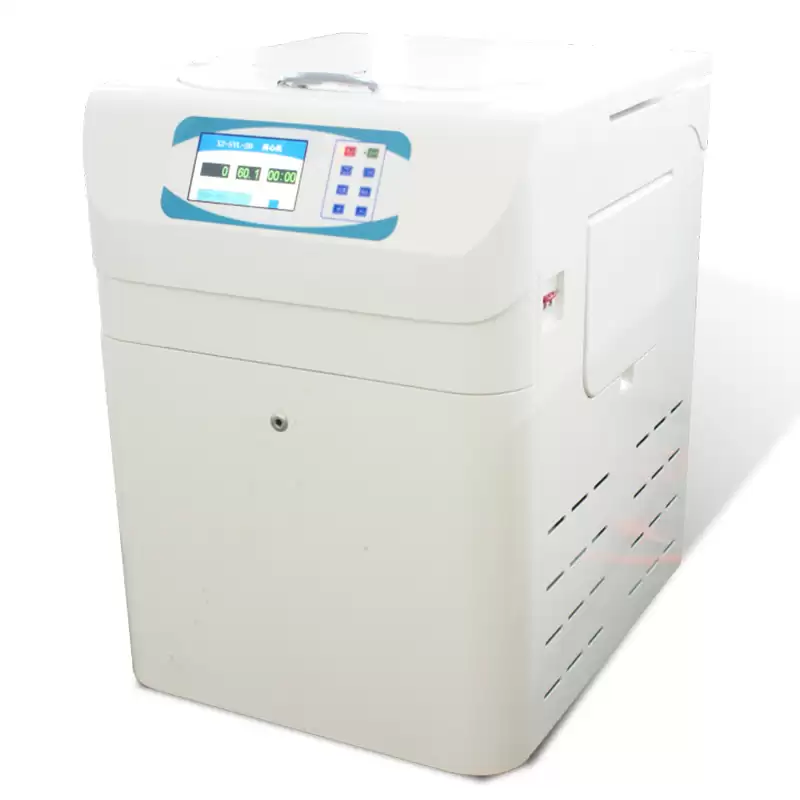
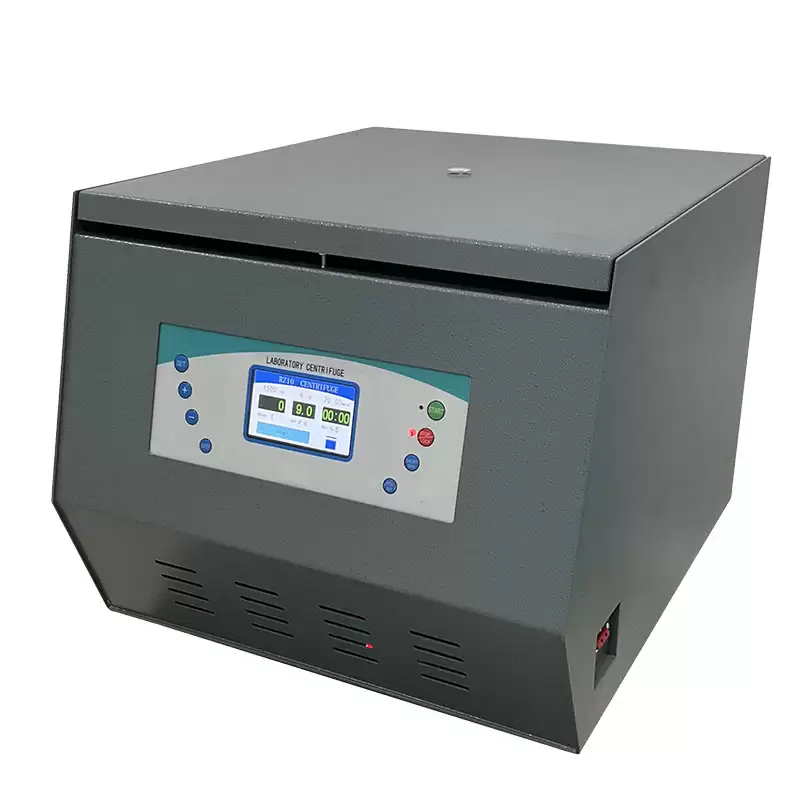
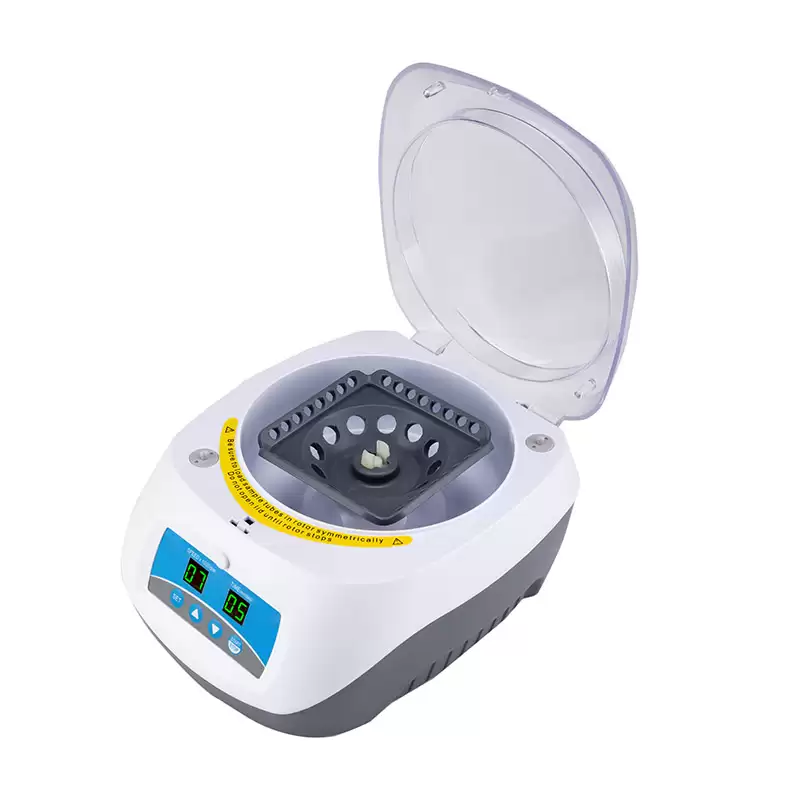
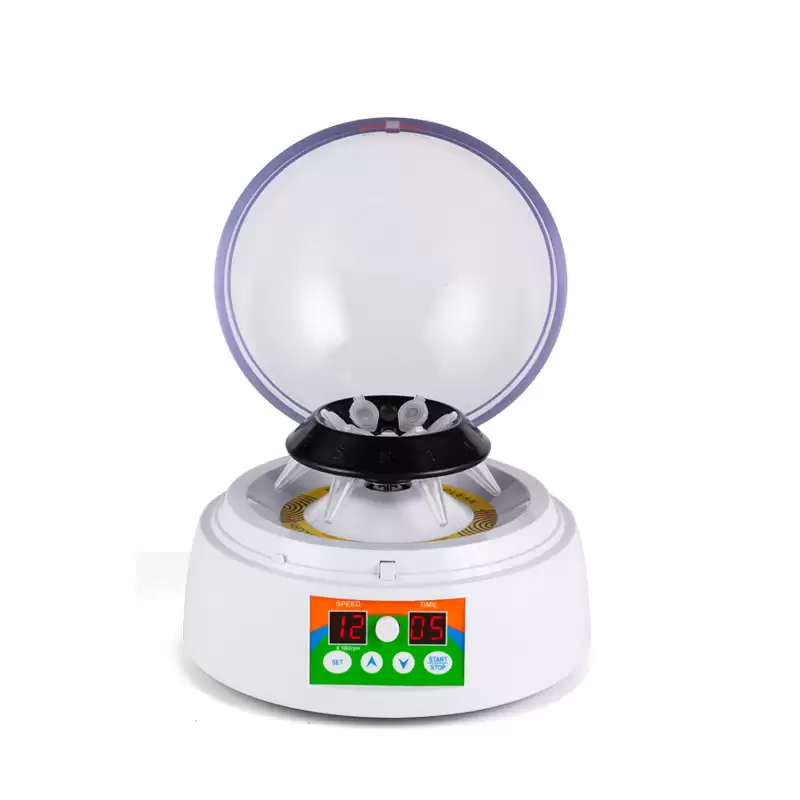
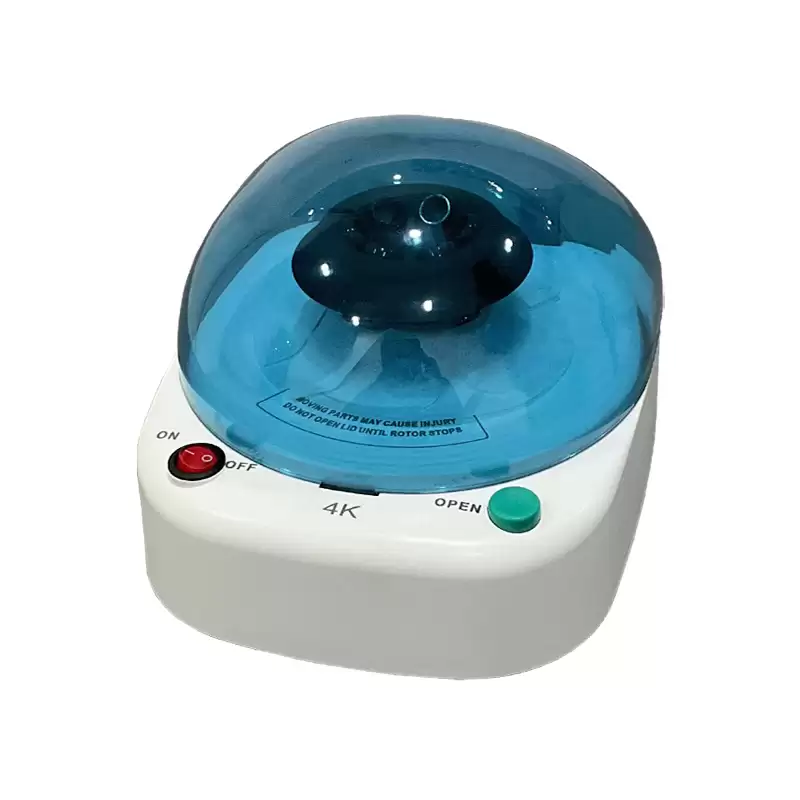
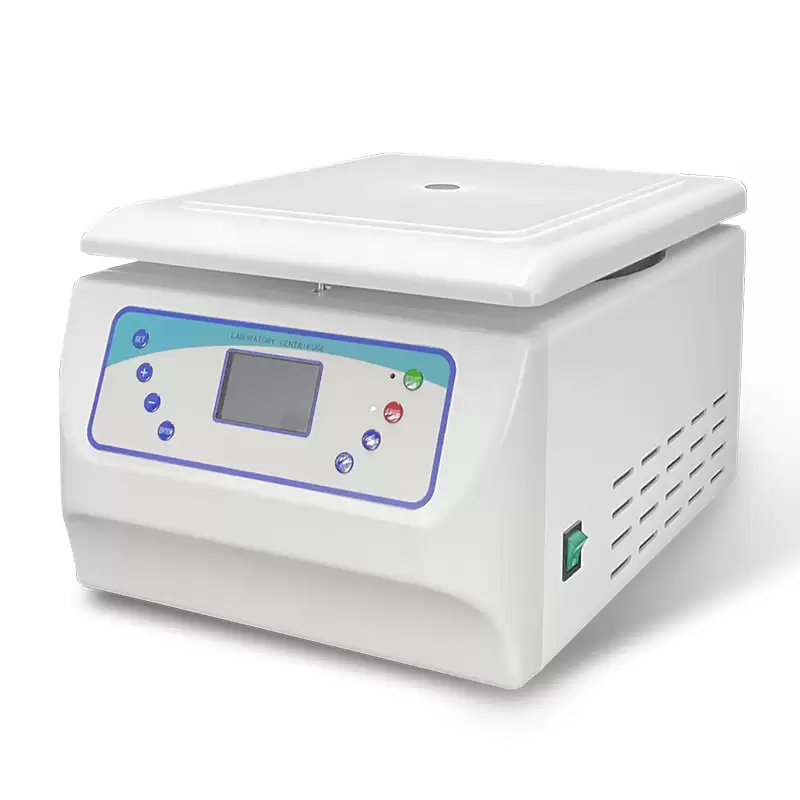
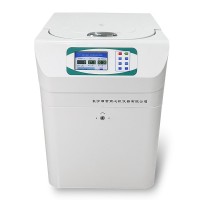
The XZ-5 Floor-top Low Speed Centrifuge is a versatile laboratory instrument designed for separating biological and chemical samples based on density differences. Operating without refrigeration, this unit is ideal for applications where temperature control is not critical or where ambient conditions suffice, such as routine blood separation, cell harvesting, or clarifying suspensions in clinical diagnostics and research settings. Its floor-standing design ensures stability during operation, accommodating larger rotor capacities that allow for processing multiple tubes simultaneously, thereby enhancing throughput in busy laboratory environments.
Key features typically include a robust motor system capable of delivering consistent speeds suitable for low-speed applications, often ranging up to 4000–5000 rpm depending on the specific configuration. The device usually incorporates a user-friendly digital interface for setting speed, time, and acceleration/deceleration rates, ensuring precise control over the separation process. Safety mechanisms are paramount; most models feature lid locks that prevent opening while the rotor is spinning and imbalance detection systems that automatically stop operation if an uneven load is detected. Additionally, the absence of a cooling system makes the unit more energy-efficient and reduces maintenance complexity compared to refrigerated counterparts, though users must be aware that prolonged use may generate heat affecting sample integrity if thermal sensitivity is a concern.
When operating this centrifuge, it is essential to strictly balance loads by weight and position to prevent mechanical stress or vibration damage. Users should regularly inspect rotors for corrosion or cracks and ensure the chamber remains clean to avoid contamination. While non-refrigerated units are cost-effective and reliable for many standard protocols, they are unsuitable for samples requiring strict temperature preservation. Proper ventilation around the unit is also recommended to dissipate operational heat. Adhering to manufacturer guidelines regarding maximum fill volumes and rotor compatibility will ensure optimal performance and longevity, making this equipment a staple for general-purpose separations in educational, clinical, and industrial laboratories.





 (All Rights Reserved)