Product Description
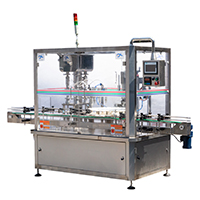
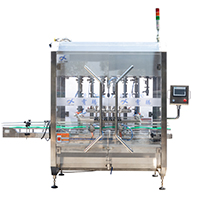
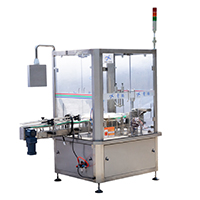
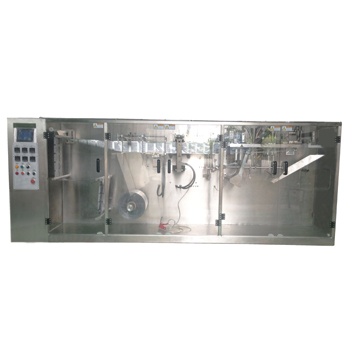
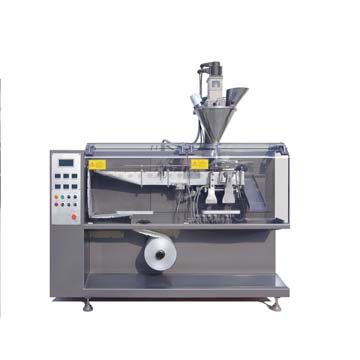
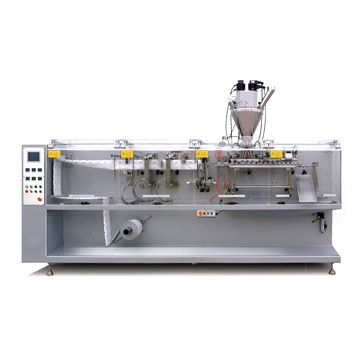
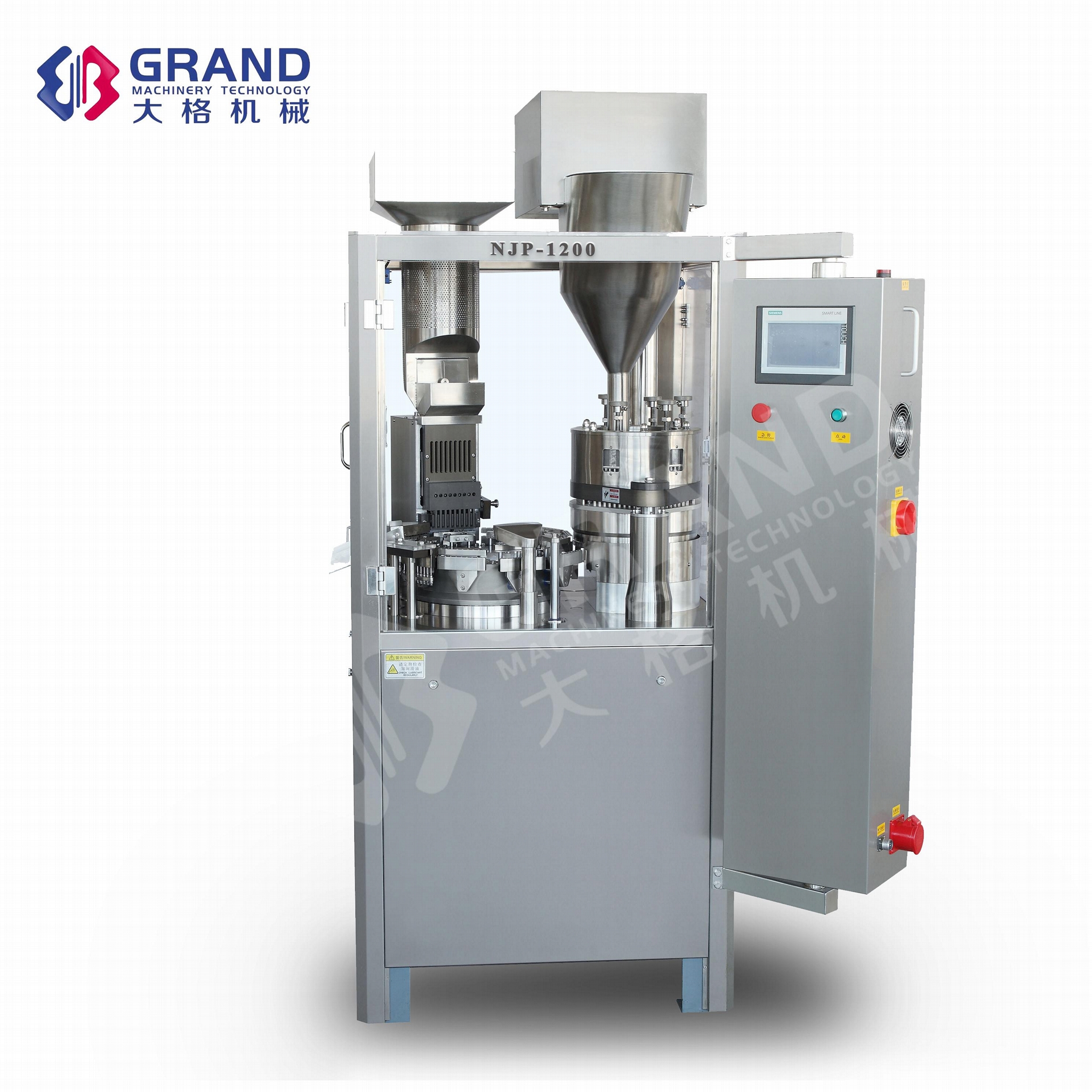
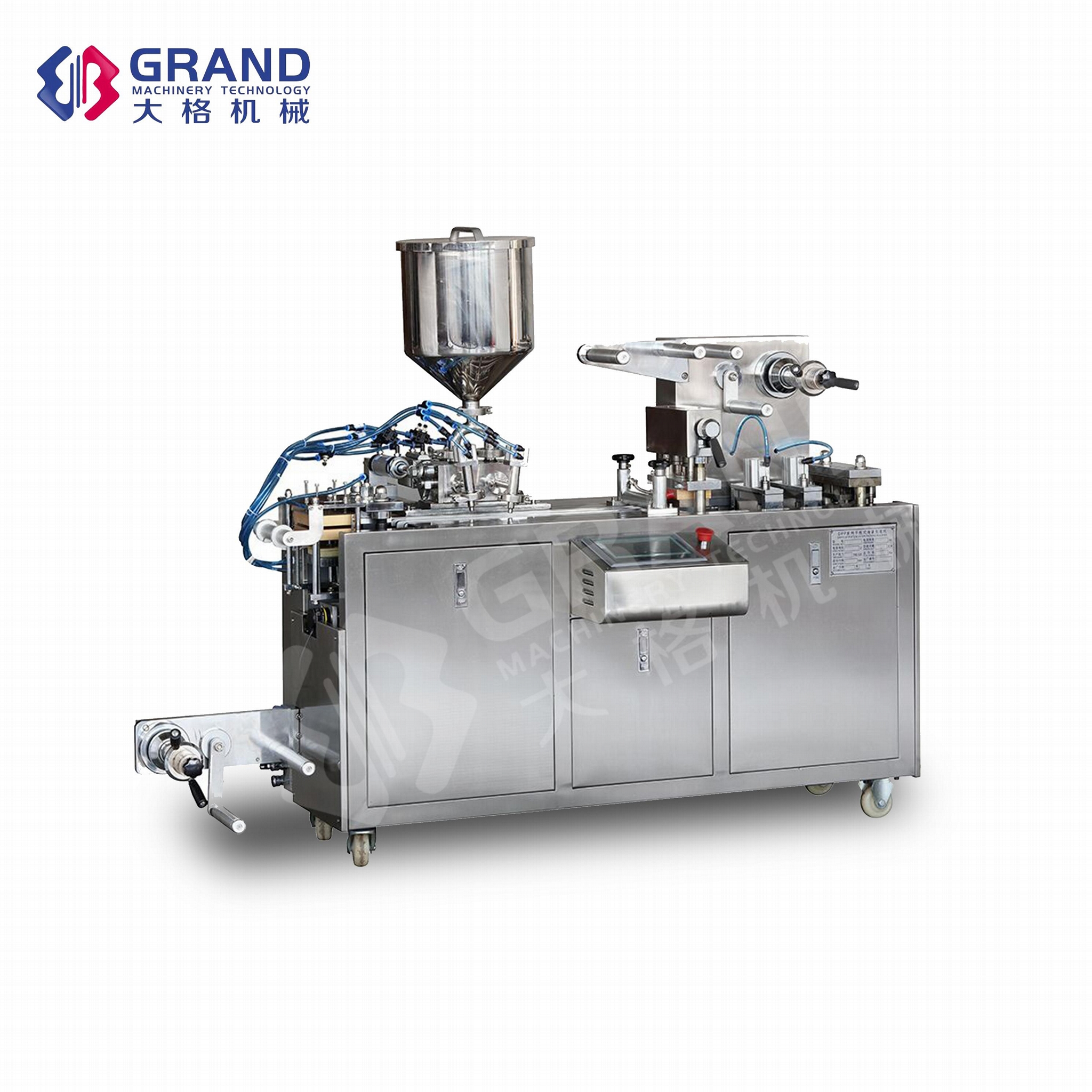
This machine is suitable for all sorts of glass or plastic bottle cap automatic screw cap, using catching cap grap a variety of lid conveyed by scraping plate, completed the cap screwing in the process of bottle rotary .The machine adopts PLC control, touch human-computer interface, easy to operate.
AI Product Description
*The following content is generated by AI and is for reference only.
The rotary capping machine is a high-efficiency automated packaging device widely utilized across the pharmaceutical, food and beverage, cosmetic, and chemical industries. Its primary function is to apply screw-on caps to containers with precision and speed, ensuring a secure seal that maintains product integrity during storage and transport. The machine operates on a continuous rotary motion principle, where multiple stations simultaneously handle filling, capping, and sealing processes. This design significantly increases production throughput compared to linear or semi-automatic systems, making it ideal for large-scale manufacturing environments.
Key operational features include adjustable torque settings, which allow operators to customize the tightening force based on cap material and container type, preventing damage to delicate packaging while ensuring leak-proof performance. Modern units often incorporate advanced sensors to detect missing caps or misaligned bottles, automatically rejecting defective products to maintain quality standards. Additionally, many models support quick-change tooling, enabling manufacturers to switch between different bottle sizes or cap styles with minimal downtime.
Safety and maintenance are critical considerations for optimal performance. Operators must ensure all safety guards are in place before startup to prevent accidental contact with moving parts. Regular lubrication of the rotary table and drive mechanisms is essential to reduce wear and extend equipment lifespan. It is also advisable to clean the machine thoroughly after each shift to avoid residue buildup, particularly when handling sticky or viscous products. Before changing tools or performing maintenance, the power supply should always be disconnected and locked out to adhere to strict industrial safety protocols. Proper training for staff on emergency stops and troubleshooting procedures further minimizes operational risks. By adhering to these guidelines, facilities can achieve consistent output, reduce waste, and maximize the return on investment from their automated packaging lines.





 (All Rights Reserved)