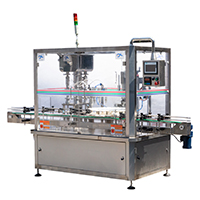
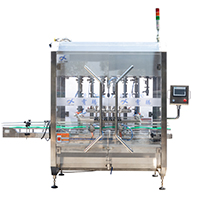
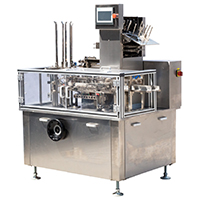
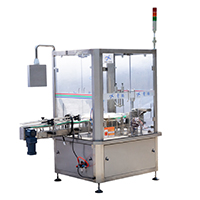
Product Description
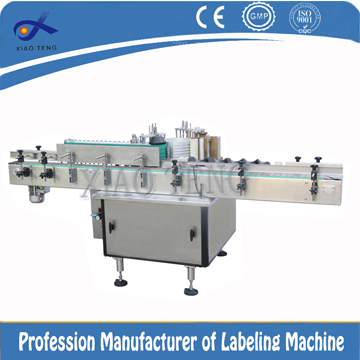
Main feature:1. loading materials automatically;2. receiving materials automatically;3. conveyor lengthened;4. material- receiving platform;5. a customization for single-end or double-end labeling meeting high speed single face labeling or double-faced labeling;6. other custom-made functions according to clients’ demands.
AI Product Description
*The following content is generated by AI and is for reference only.
The XT-80A Glue Labeling Machine is a versatile industrial automation device specifically engineered for applying two labels simultaneously to round bottles. Designed primarily for the beverage, pharmaceutical, and cosmetic sectors, this equipment ensures high-speed, precise labeling on cylindrical containers of varying diameters. By utilizing an adhesive application system, it effectively handles complex label configurations, such as front-and-back or wrap-around designs, which are essential for product identification and marketing in competitive markets.
The machine operates by feeding bottles through a conveyor system where they are aligned and rotated under a glue applicator. Two distinct labeling heads then apply the adhesive-backed labels with exceptional accuracy, ensuring no air bubbles or misalignment occur. This dual-label capability significantly boosts production efficiency compared to single-label machines, making it ideal for high-volume manufacturing lines that require consistent branding on multiple sides of a container. The unit typically features adjustable settings to accommodate different bottle sizes and label dimensions without extensive downtime, offering flexibility for diverse product portfolios.
Several critical precautions must be observed during operation to maintain safety and performance. First, operators should ensure the machine is properly grounded and all safety guards are in place before powering on to prevent accidental injury from moving parts. Regular maintenance of the glue reservoir is vital; users must clean the applicator nozzles daily to prevent clogging caused by dried adhesive, which can compromise label quality. Additionally, only compatible water-based or solvent-free glues recommended by the manufacturer should be used to avoid damaging internal seals or creating hazardous fumes. It is also crucial to monitor the tension of the label rolls to prevent tearing or jamming. Before any cleaning or adjustment procedures, the power supply must be completely disconnected. Finally, operators should receive proper training on emergency stop functions and routine calibration checks to sustain optimal output rates and extend the lifespan of the equipment. Adhering to these guidelines ensures reliable, safe, and efficient labeling operations in any industrial setting.





 (All Rights Reserved)