Product Description
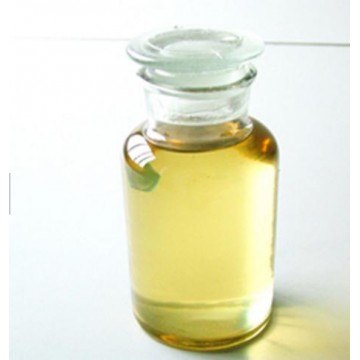
| Appearance |
Yellow to brown liquid |
| Odour |
Fresh sweet wintergreen
|
| RelativeDensity@25°c |
1.175 - 1.185 |
| Refractive Index |
1.529 - 1.541 |
| Boiling Point |
219 - 224 C |
| Flash Point |
85 C |
| Solubility |
soluble in alcohol, paraffin oil, insoluble in propylene glycol |
| Content |
≥95% of Methyl salicylate |
AI Product Description
*The following content is generated by AI and is for reference only.
Wintergreen oil, a volatile essential oil derived primarily from the leaves of *Gaultheria procumbens* (American wintergreen) and related species like *Gaultheria shallon*, is renowned for its distinctive sweet, minty aroma and potent therapeutic properties. The primary active constituent of this oil is methyl salicylate, which typically comprises over 95% of its composition. Its molecular formula is C₈H₈O₃, and it is universally identified by the CAS number 148-76-5. This chemical structure closely resembles aspirin (acetylsalicylic acid), granting wintergreen oil significant anti-inflammatory and analgesic capabilities.
Historically utilized by indigenous peoples of North America for centuries to treat rheumatism and muscle pain, wintergreen oil has evolved into a staple ingredient in modern pharmacology and aromatherapy. In the pharmaceutical sector, it serves as a key component in topical analgesics, liniments, and ointments designed to relieve joint stiffness, arthritis, and soft tissue injuries. Its mechanism involves creating a counter-irritant effect; when applied to the skin, it induces vasodilation and increased blood flow to the area, thereby reducing localized inflammation and dulling pain signals. Furthermore, due to its natural origin, it is frequently preferred in holistic health products over synthetic alternatives.
Beyond medical applications, wintergreen oil finds extensive use in the food and beverage industry as a flavoring agent. It imparts a characteristic wintergreen taste to candies, chewing gums, toothpastes, and mouthwashes. In the fragrance industry, its fresh, clean scent is highly valued in perfumes, soaps, and cosmetic formulations, often blending well with other herbal or woody notes. However, safety precautions are paramount. Because methyl salicylate is highly concentrated and toxic if ingested in large quantities, proper dilution is essential. Overexposure can lead to serious systemic toxicity, including tinnitus, nausea, and metabolic acidosis. Consequently, while wintergreen oil remains a versatile and effective natural remedy, it must be handled with care and used strictly according to established guidelines to ensure both efficacy and user safety.





 (All Rights Reserved)