Product Description
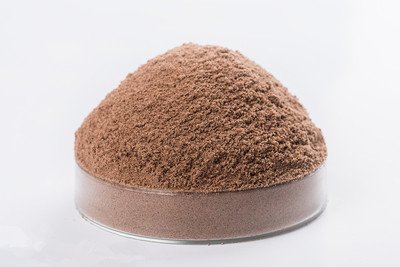
Vitamin B2, also called riboflavin, is one of 8 B vitamins. All B vitamins help the body to convert food (carbohydrates) into fuel (glucose), which is used to produce energy. These B vitamins, often referred to as B-complex vitamins, also help the body metabolize fats and protein.
AI Product Description
*The following content is generated by AI and is for reference only.
Vitamin B2, scientifically known as riboflavin, is a water-soluble vitamin belonging to the B-complex family. It plays a fundamental role in maintaining human health by acting as a precursor for two essential coenzymes: flavin mononucleotide (FMN) and flavin adenine dinucleotide (FAD). These coenzymes are critical for energy production, facilitating the metabolism of fats, carbohydrates, and proteins into usable cellular energy. Without adequate levels of Vitamin B2, the body struggles to convert food into fuel efficiently, potentially leading to fatigue and reduced physical performance.
Beyond energy metabolism, this nutrient is vital for cellular function and growth. It supports the health of the skin, eyes, and nervous system. Clinical observations suggest that sufficient intake helps maintain healthy mucous membranes and may reduce the severity of migraines in some individuals. Furthermore, Riboflavin acts as an antioxidant, protecting cells from oxidative stress caused by free radicals. It is naturally found in various foods, including dairy products, eggs, lean meats, green vegetables, and fortified cereals. However, because it is water-soluble and not stored in the body, regular dietary consumption or supplementation is necessary to prevent deficiency.
Deficiency symptoms can manifest as sore throat, redness and swelling of the lining of the mouth and throat, cracks or sores on the lips or corners of the mouth, inflammation of the tongue, and skin disorders. While generally considered safe with low toxicity, high doses from supplements should be approached with caution. Individuals taking certain medications, such as tricyclic antidepressants or phenothiazines, should consult a healthcare provider before starting supplementation, as interactions may occur. Excessive intake often results in bright yellow urine, which is harmless but indicates the body is excreting the surplus. Pregnant and breastfeeding women have slightly higher requirements, making proper nutrition crucial during these periods. As with any supplement, consulting a medical professional before beginning a regimen is always recommended to ensure safety and appropriateness for individual health needs.



![6-broMo-2-chloro-8-cyclopentyl-5-Methylpyrido[2,3-d]pyriMidin-7(8H)-one](https://eimg.pharmasources.com/image/20250617/4zoOybJjzUTk0UgguabMkX7VnrDIlxHluERwqkjK.jpg)







 (All Rights Reserved)