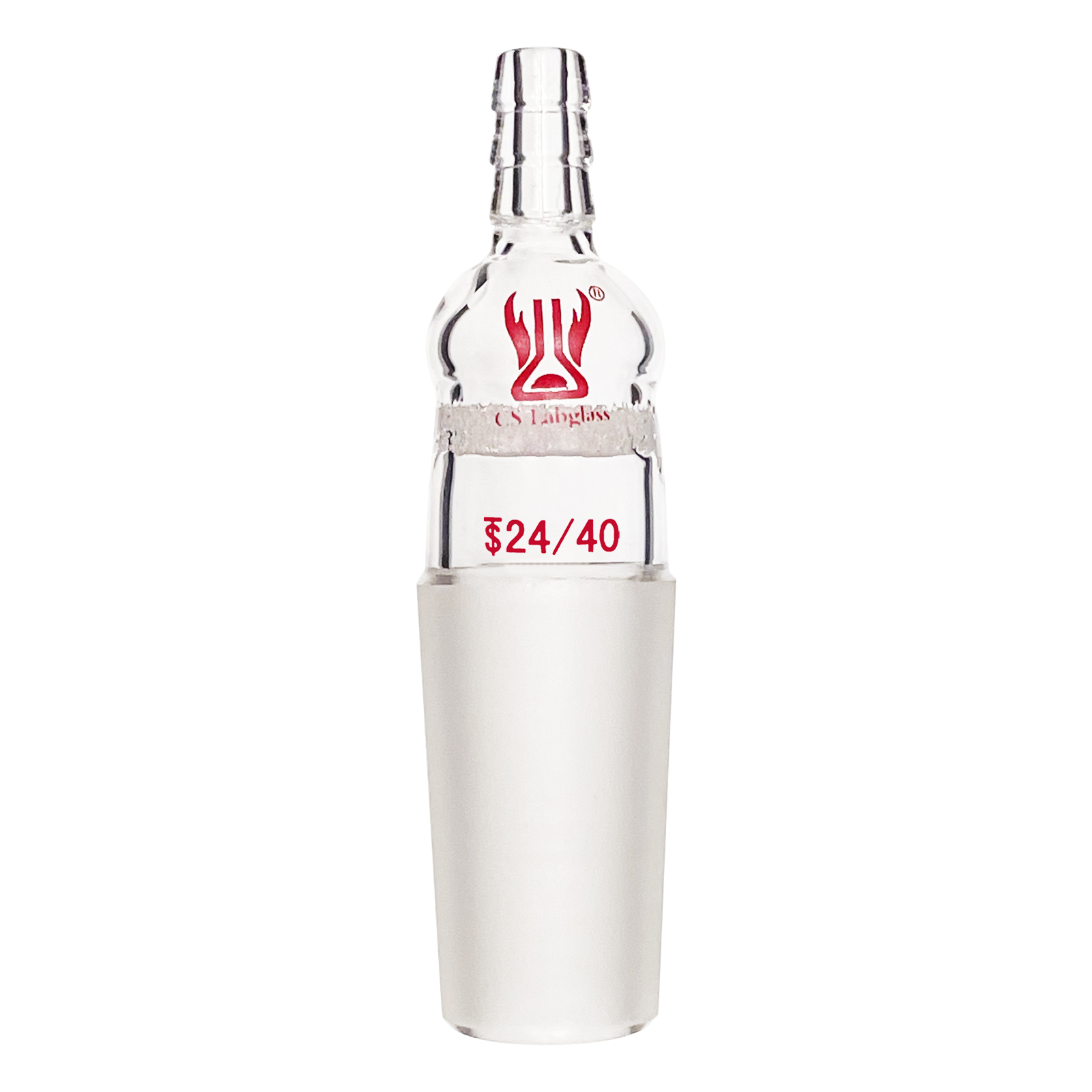
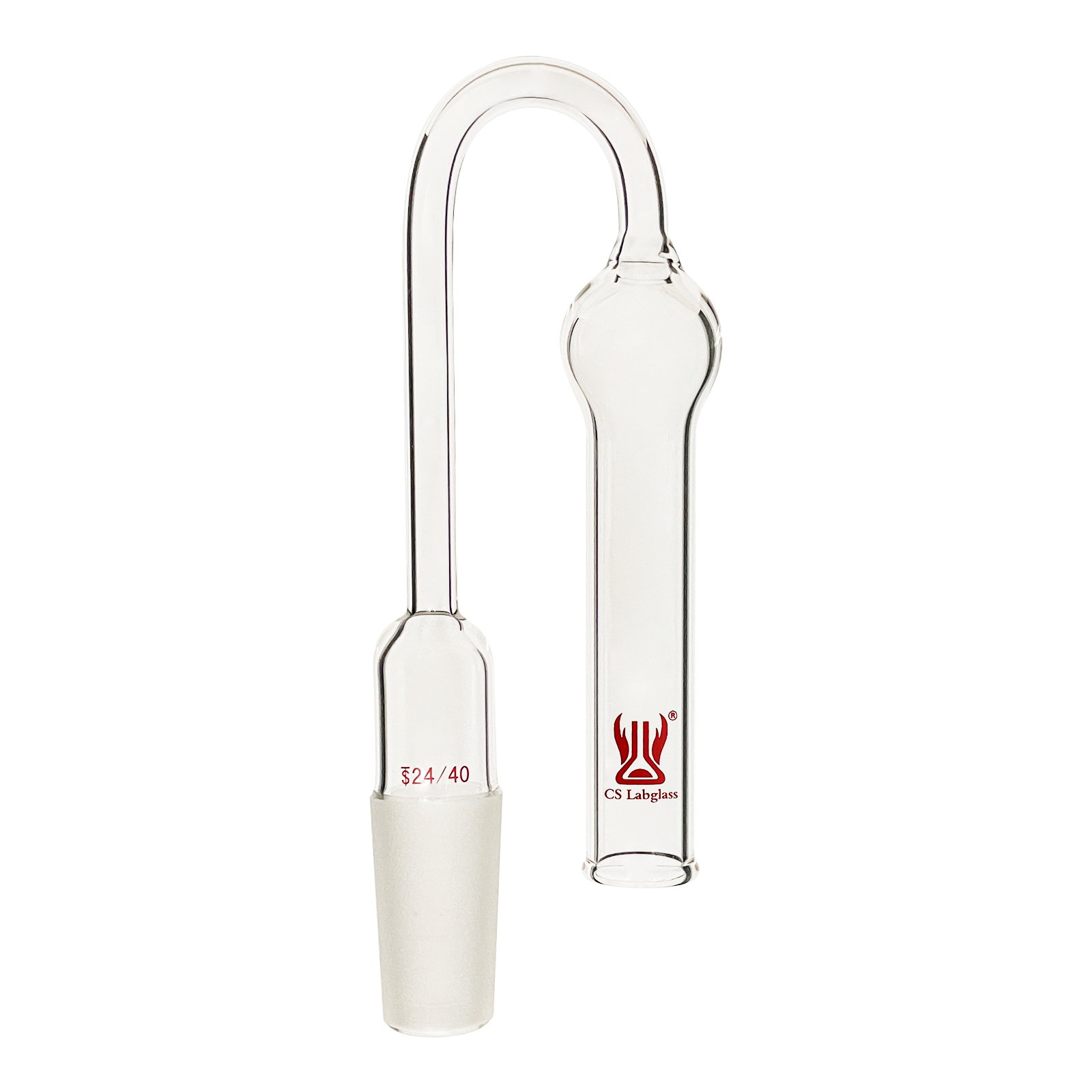
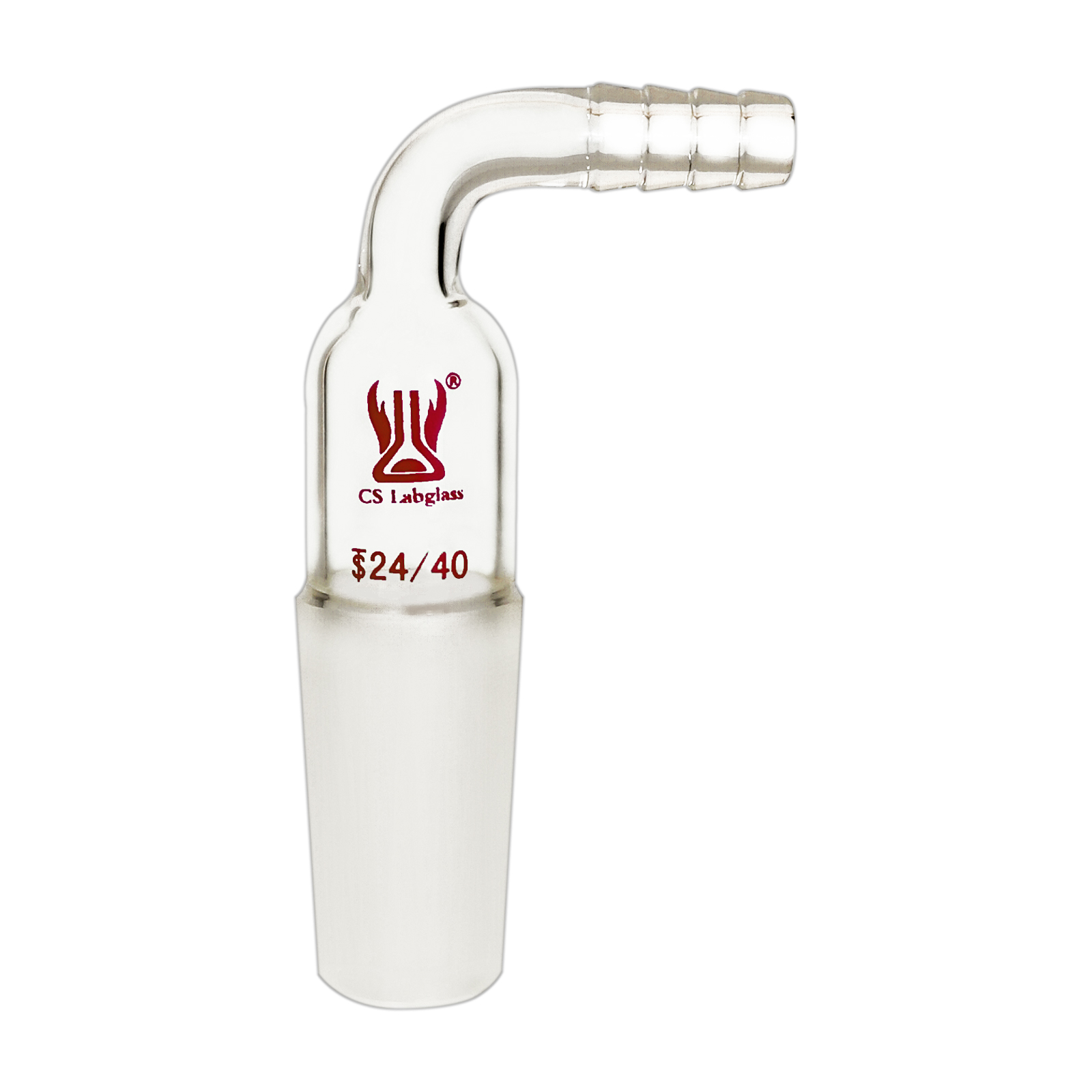
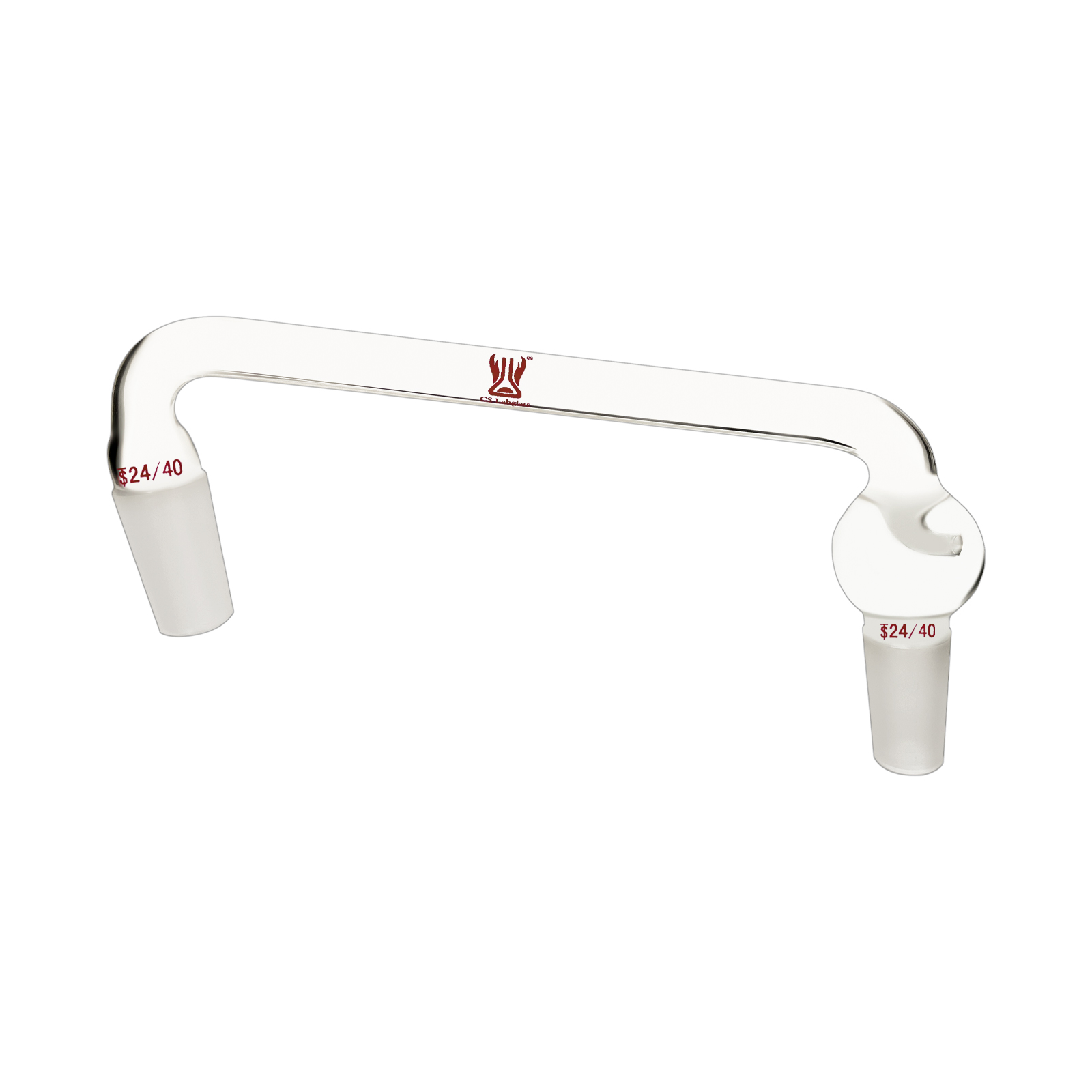
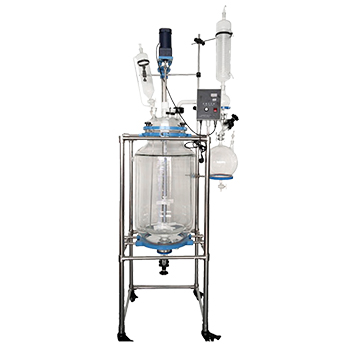
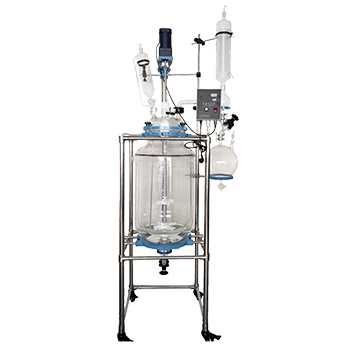
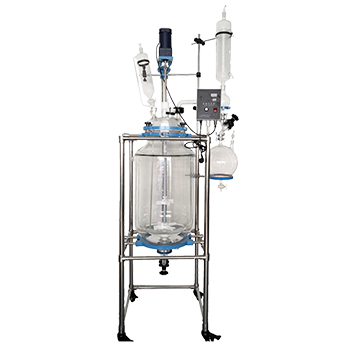
Capacity: 50-5000ml
Material: Borosilicate Glass
Socket Joint Size:14/20,19/22,24/40,29/42,34/45,45/50.
14/23,19/26,24/29,29/32
*The following content is generated by AI and is for reference only.
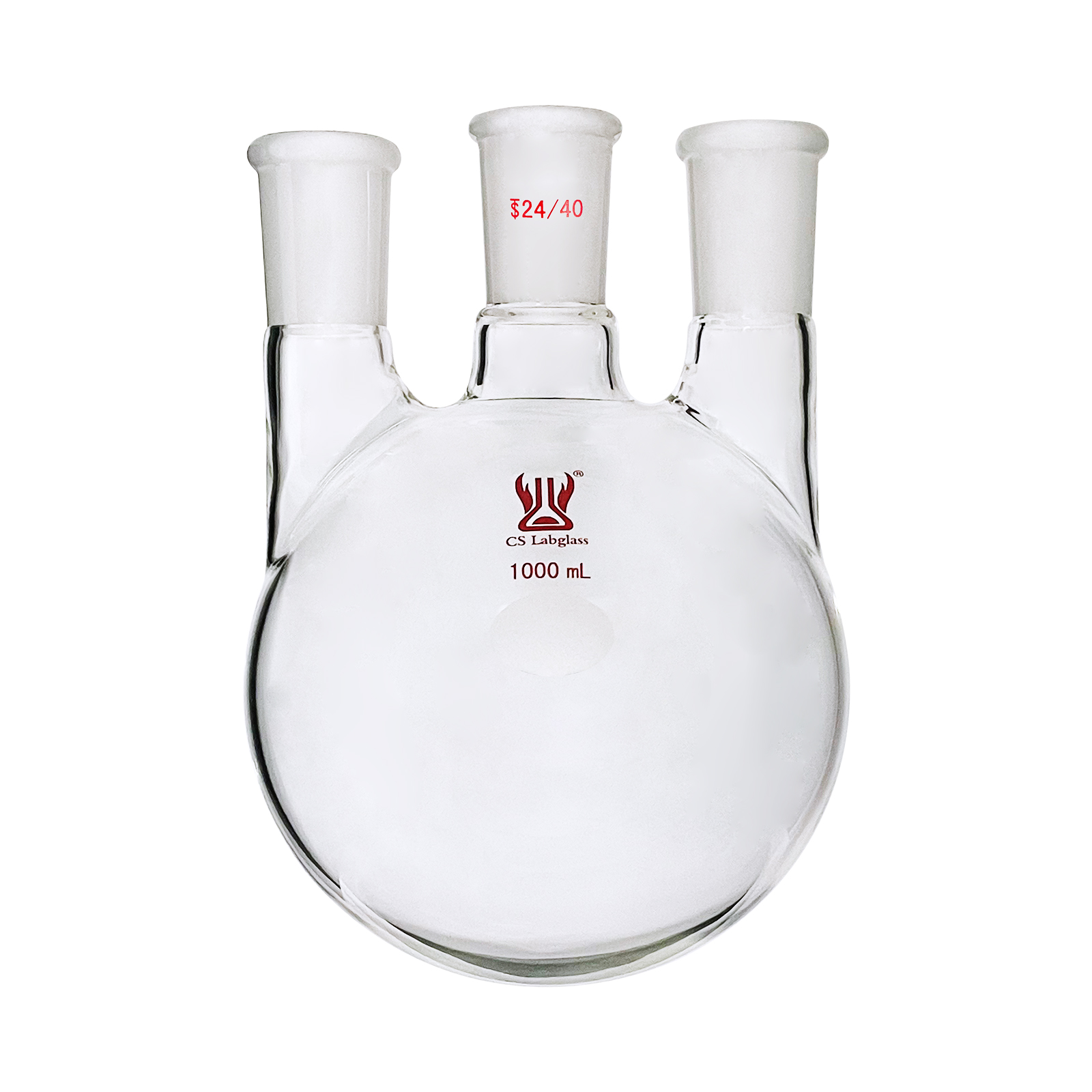
The Vertical Three Necks Round Bottom Boiling Flask is a specialized piece of laboratory glassware designed for complex chemical reactions requiring multiple simultaneous operations. Its spherical bottom maximizes surface area for efficient heat distribution, while the three vertical necks provide versatile access points for various accessories. This configuration allows researchers to integrate a reflux condenser, an addition funnel, and a thermometer or stirrer bar simultaneously within a single setup. Such versatility makes it indispensable in organic synthesis, distillation processes, and extraction procedures where precise control over temperature, reagent addition, and vapor management is critical.
Constructed from high-quality borosilicate glass, this flask offers exceptional thermal shock resistance and chemical durability, ensuring safety during heating cycles with hot plates or oil baths. The uniform wall thickness prevents weak points that could lead to breakage under vacuum or pressure conditions. When operating with this equipment, several precautions are essential to maintain laboratory safety and experimental integrity. First, always ensure all ground glass joints are properly greased and securely clamped to prevent leaks or disconnections during vigorous stirring or boiling. Second, never heat the flask directly on an open flame; instead, use controlled heating mantles or water/oil baths to avoid localized overheating which can cause thermal stress fractures.
Proper assembly is vital; ensure that no joint is forced, as misalignment can crack the glass immediately. Additionally, when using vacuum lines, verify that the flask is rated for reduced pressure to prevent implosion. Regular inspection for chips or cracks before each use is mandatory, as even minor damage compromises structural integrity. After experiments, allow the apparatus to cool completely before disassembly to avoid burns or thermal shock from rapid cooling. Cleaning should be done gently with appropriate solvents, avoiding abrasive tools that might scratch the glass surface. Ultimately, the three-neck design streamlines multi-step reactions by reducing the need for transferring liquids between vessels, thereby minimizing contamination risks and improving overall yield and reproducibility in scientific research environments.





 (All Rights Reserved)