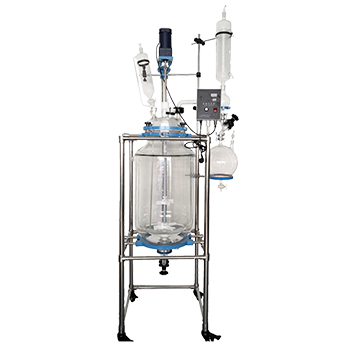
Capacity: 50-5000ml
Material: Borosilicate Glass
Socket Joint Size:14/20,19/22,24/40,29/42,34/45,45/50,55/50
14/23,19/26,24/29,29/32
*The following content is generated by AI and is for reference only.
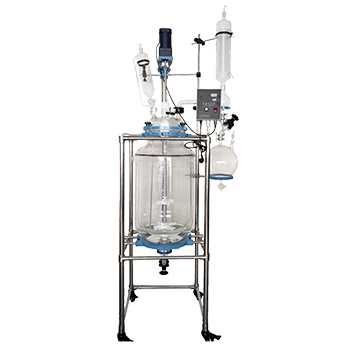
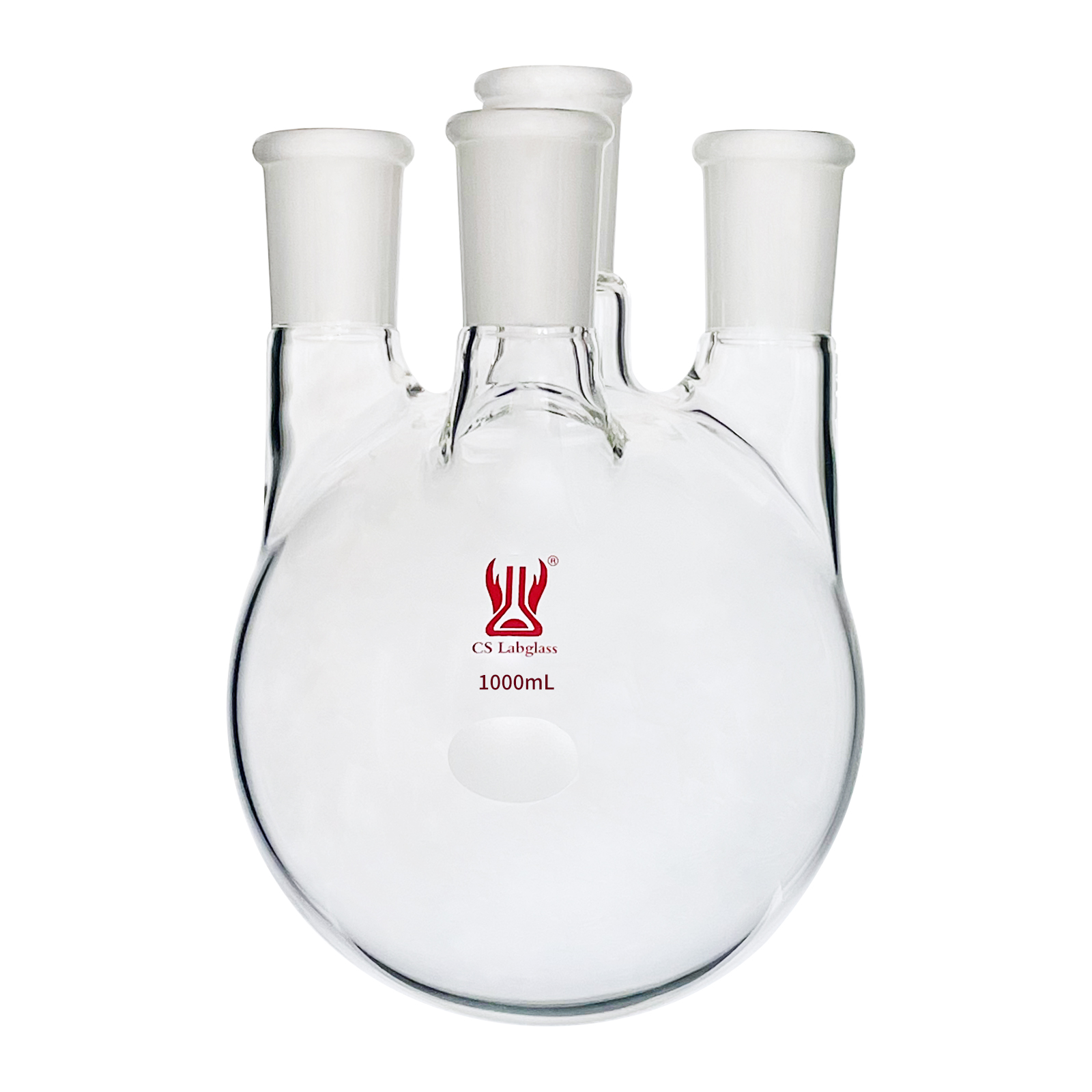
The Vertical Four Necks Round Bottom Boiling Flask is a specialized piece of laboratory glassware designed for complex chemical synthesis and distillation processes requiring multiple simultaneous connections. Its defining feature is the spherical bottom, which maximizes surface area for efficient heat distribution while minimizing bumping during boiling. The four vertical necks provide exceptional versatility, allowing researchers to attach various accessories such as condensers, thermometers, addition funnels, or vacuum adapters without compromising the integrity of the setup. This configuration is particularly valuable in organic chemistry labs where multi-step reactions or fractional distillations are common, enabling precise control over reaction conditions like temperature, pressure, and reagent addition rates.
Constructed from high-quality borosilicate glass, these flasks offer superior thermal shock resistance and chemical durability, ensuring safety during prolonged heating cycles. They are compatible with standard ground glass joints, facilitating easy assembly and disassembly of intricate apparatuses. When using this equipment, it is critical to employ appropriate clamps to support the flask securely, as the round bottom lacks inherent stability on flat surfaces. Heating should always be performed using a heating mantle rather than an open flame to prevent localized overheating and potential breakage. Additionally, users must ensure that all joints are properly greased to maintain a tight seal, especially when operating under reduced pressure or handling volatile solvents.
Safety protocols dictate that the flask should never be filled beyond half its capacity to allow sufficient headspace for vapor expansion and to prevent splashing into the necks. Regular inspection for chips or cracks is essential before each use, as even minor imperfections can lead to catastrophic failure under thermal stress. Proper cleaning and drying after each experiment are necessary to avoid cross-contamination. By adhering to these guidelines, scientists can safely leverage the multifunctional design of this flask to conduct sophisticated experiments with precision and reliability.





 (All Rights Reserved)