Product Description
Vanillin is an organic compound naturally occurring in vanilla. It is white to pale yellow needle crystal with milky and vanilla aroma. The so-called natural vanillin is prepared by isomerization and oxidation of eugenol. The synthetic vanillin is prepared by nitroso process.
AI Product Description
*The following content is generated by AI and is for reference only.
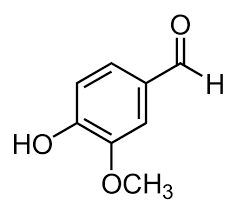
Vanillin, the primary component of the extract of the vanilla bean, is a widely utilized organic compound renowned for its distinct, sweet, and creamy aroma. Chemically known as 4-hydroxy-3-methoxybenzaldehyde, it serves as a cornerstone ingredient across multiple industries, ranging from food and beverage to pharmaceuticals and cosmetics. In the culinary world, vanillin acts as a versatile flavoring agent, enhancing desserts like cakes, ice creams, and chocolates, as well as savory dishes where a hint of sweetness is desired. Due to cost-effectiveness compared to natural vanilla extract, synthetic vanillin is frequently employed in mass-produced goods, ensuring consistent flavor profiles without the volatility of natural beans.
Beyond gastronomy, vanillin plays a crucial role in the fragrance industry, providing a warm, comforting scent in perfumes, lotions, and candles. Its applications extend into pharmacology, where it is sometimes used to mask the unpleasant taste of certain medications or as an intermediate in synthesizing other complex chemical compounds. Additionally, recent studies suggest potential antioxidant and neuroprotective properties, though these areas require further clinical validation.
Despite its ubiquity, handling vanillin requires specific precautions. While generally recognized as safe (GRAS) by regulatory bodies when used within established limits, high concentrations can cause skin irritation or allergic reactions in sensitive individuals. Inhalation of fine powders may irritate the respiratory tract, so proper ventilation and protective equipment are advised during industrial processing. Individuals with known sensitivities to aldehydes should exercise caution. Furthermore, while synthetic vanillin is chemically identical to its natural counterpart, consumers seeking organic or non-GMO products often prefer extracts derived directly from vanilla pods. Proper storage in cool, dry, and dark environments is essential to prevent oxidation, which can degrade quality and alter the aromatic profile. Overall, vanillin remains an indispensable commodity that bridges the gap between nature and industrial efficiency, offering a beloved sensory experience when managed responsibly.





 (All Rights Reserved)