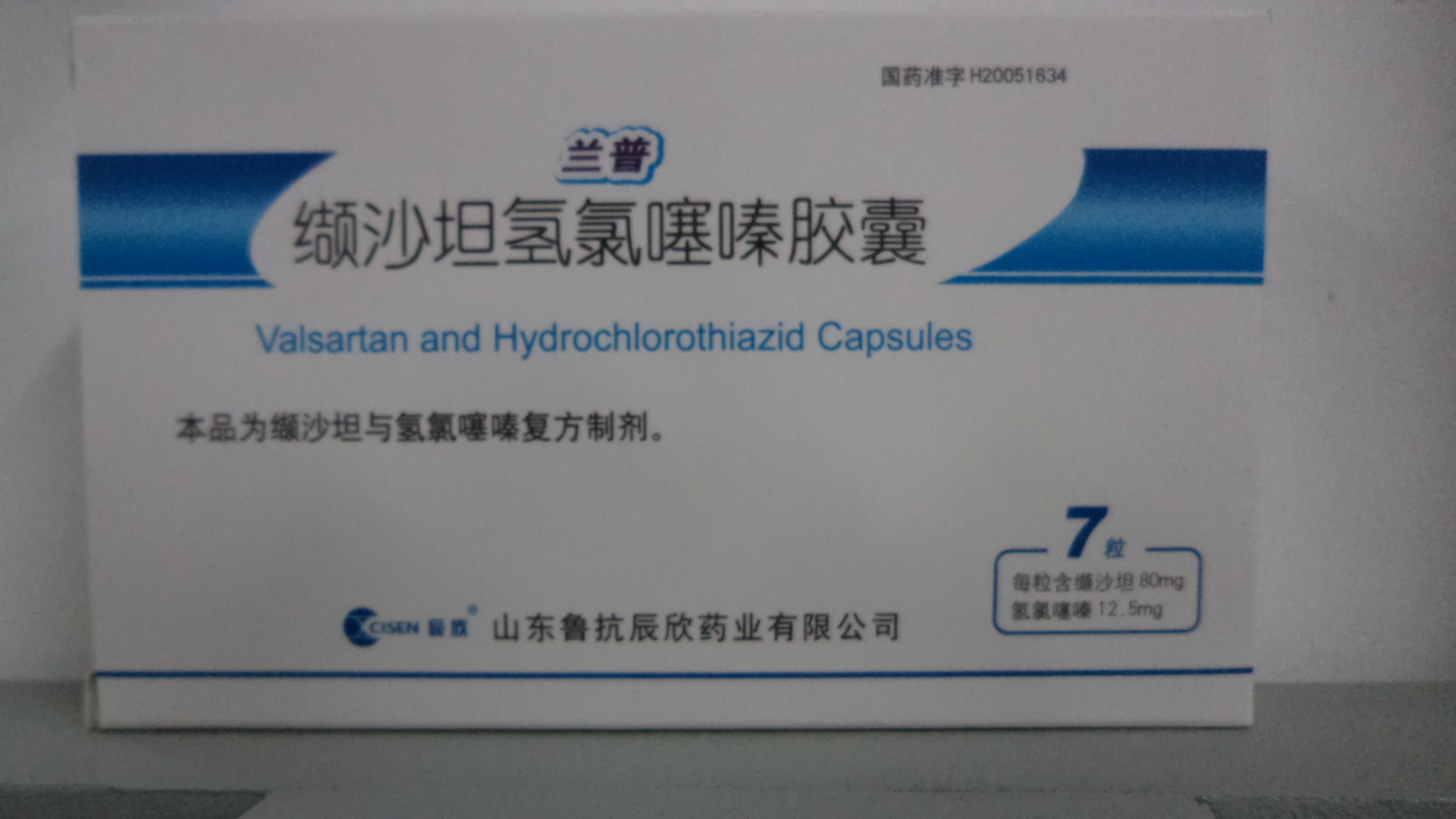
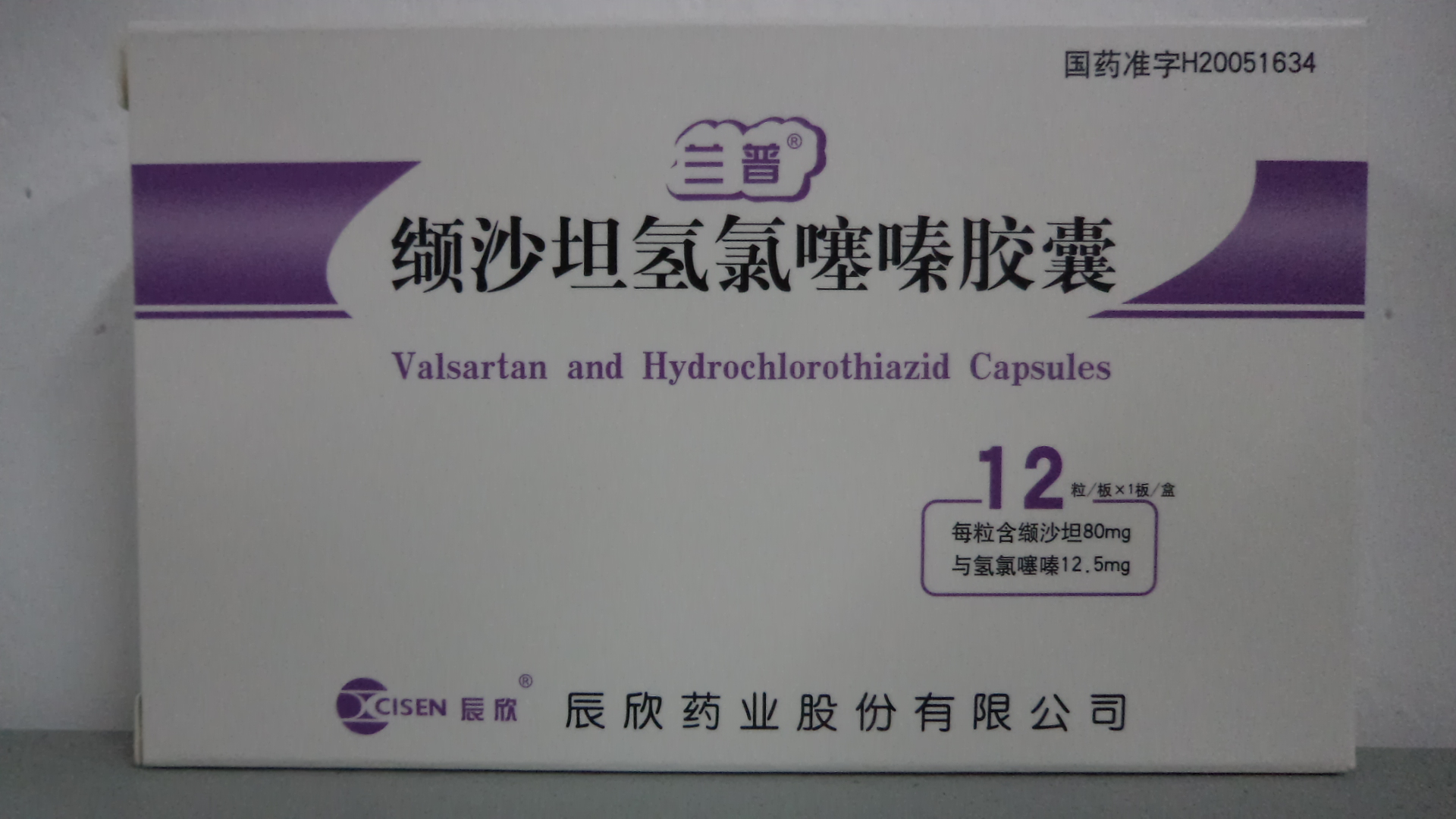
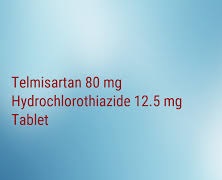
Valsartan hydrochlorothiazide tablet is a compound preparation consisting of valsartan and hydrochlorothiazide. Used to treat mild-to-moderate essential hypertension where a single drug does not adequately control blood pressure. Not for initial treatment of high blood pressure.
Specification: Valsartan 80mg and Amlodipine 5mg
*The following content is generated by AI and is for reference only.
Valsartan and Hydrochlorothiazide tablets are a fixed-dose combination medication designed for the treatment of hypertension (high blood pressure) in adults. This product is typically prescribed when a single agent, either valsartan alone or hydrochlorothiazide alone, fails to adequately control blood pressure levels. The formulation combines two distinct mechanisms of action to provide synergistic effects. Valsartan belongs to the class of angiotensin II receptor blockers (ARBs). It works by blocking the binding of angiotensin II to its receptors on vascular smooth muscle cells, thereby relaxing blood vessels and reducing peripheral resistance. Hydrochlorothiazide is a thiazide diuretic that acts on the kidneys to increase the excretion of sodium and water, which reduces plasma volume and further lowers blood pressure. By utilizing both pathways, this combination often achieves better blood pressure control than monotherapy.
The primary indication is the management of essential hypertension to reduce the risk of strokes, heart attacks, and kidney problems associated with high blood pressure. However, strict adherence to medical guidelines is crucial. Patients should not use this medication if they are pregnant, as it can cause severe fetal harm or death. It is also contraindicated in individuals with anuria, severe renal impairment, or hypersensitivity to sulfonamide-derived drugs. Common side effects may include dizziness, fatigue, and electrolyte imbalances such as hypokalemia or hyponatremia. Regular monitoring of renal function and electrolyte levels is recommended during therapy. Patients must maintain adequate hydration while avoiding excessive potassium intake unless directed otherwise by a physician. Additionally, abrupt discontinuation of the medication should be avoided without medical supervision. While effective, this drug requires careful patient selection and ongoing clinical assessment to ensure safety and therapeutic efficacy. Always consult a healthcare provider before starting or adjusting any antihypertensive regimen.










 (All Rights Reserved)