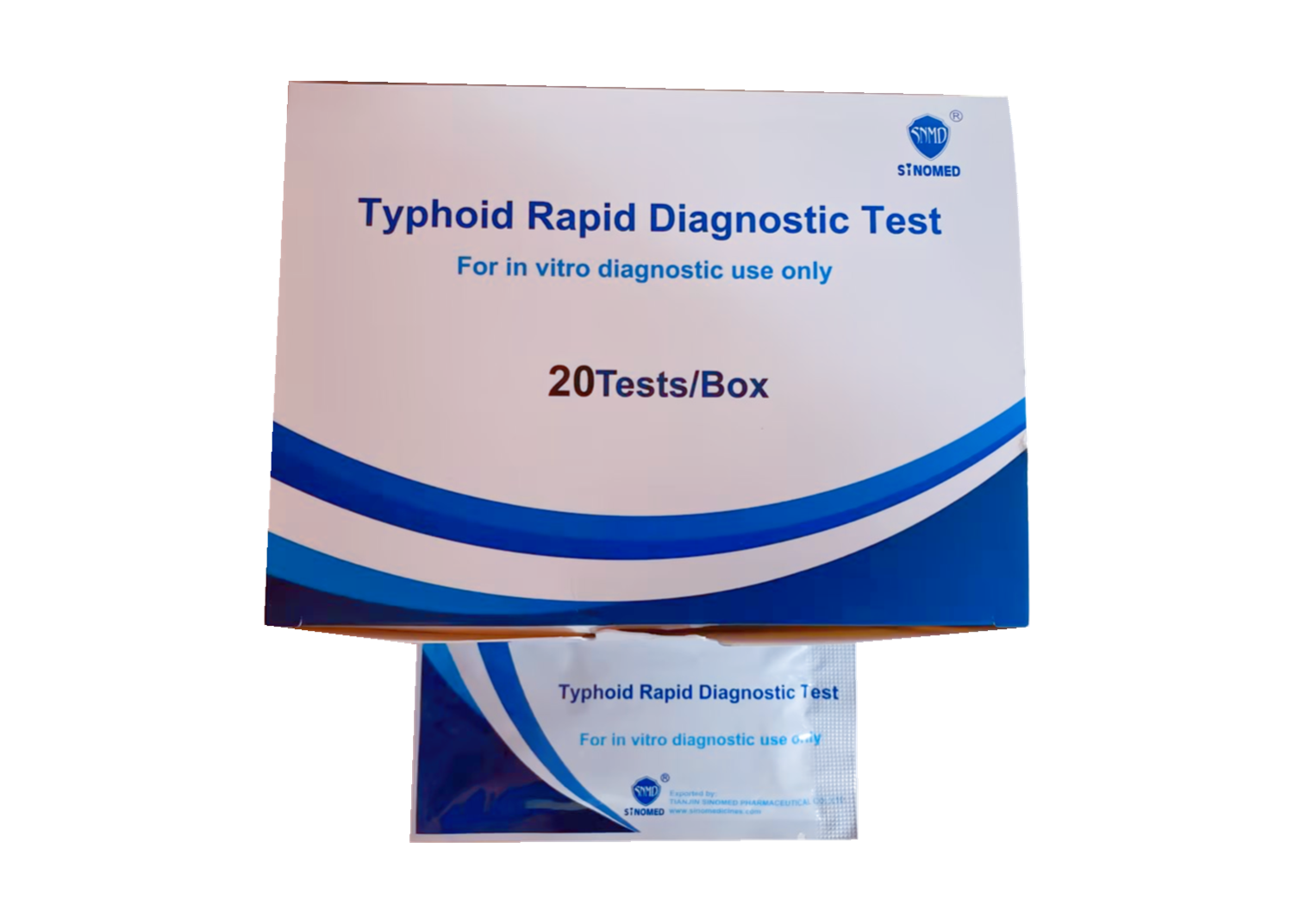
1.Product Name:Typhoid Rapid Diagnostic Test
3.Packing:50 tests/box
4.Shelf Life:36 months
5.Registration documents are available.
If you are interested in our products, please contact us in time.
*The following content is generated by AI and is for reference only.
The Typhoid Rapid Diagnostic Test is a crucial point-of-care tool designed to detect specific antibodies or antigens associated with Salmonella Typhi infection, the causative agent of typhoid fever. This assay facilitates early diagnosis in resource-limited settings where laboratory infrastructure may be insufficient for traditional culture methods. By utilizing immunochromatographic technology, the test provides rapid results, often within 15 to 20 minutes, enabling clinicians to initiate appropriate antibiotic therapy promptly and reduce the risk of severe complications such as intestinal perforation or sepsis.
The procedure typically involves collecting a small volume of whole blood, serum, or plasma from the patient. A drop of the sample is applied to the testing device, followed by the addition of a buffer solution. The mixture migrates along a membrane via capillary action, reacting with conjugated markers if target biomarkers are present. Visual interpretation of control and test lines indicates the result status. It is important to note that while these tests offer speed and convenience, they may exhibit variable sensitivity depending on the stage of infection; antibody levels might not be detectable during the first week of illness, potentially leading to false-negative results. Therefore, clinical correlation with patient history, symptoms, and epidemiological context is essential before making a definitive diagnosis.
Users must strictly adhere to storage conditions, keeping the kits at recommended temperatures to maintain reagent stability. Expired devices should never be used as chemical degradation can compromise accuracy. Additionally, proper biohazard disposal protocols must be followed after testing to prevent cross-contamination. While this diagnostic aid significantly improves response times in endemic regions, it does not replace comprehensive medical evaluation. Healthcare providers should consider confirmatory testing, such as blood cultures, when clinical suspicion remains high despite negative rapid results. Ultimately, this technology serves as an effective triage instrument to support public health efforts in controlling typhoid outbreaks and improving patient outcomes in diverse healthcare environments.




 (All Rights Reserved)