Product Description
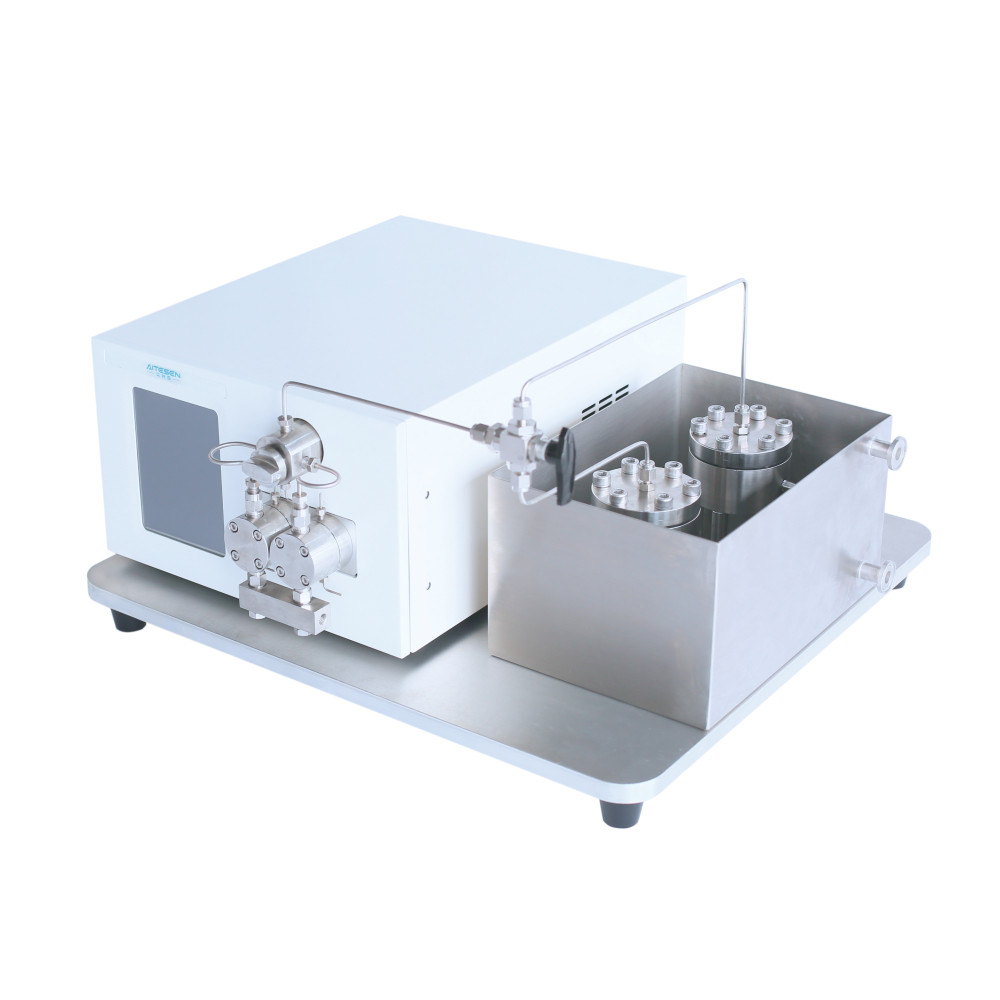
Introduction: Silicon carbide material special structure runner form, suitable for strong acid, strong alkali and other strong corrosive reactions;
Operating temperature: -20~100ºC
Material: Silicon carbide
Operating pressure: normal pressure ~2 Mpa
Capacity: 20~400 mL/min (small test); ~500ml, ~1L, ~2L, ~5Lml/min (pilot); Industrialized customization
Fitting line: φ3mm
Other optional materials: Metal material: 316L, Harbin C, tantalum; Non-metallic materials: PEEK, PTFE, Sic"
AI Product Description
*The following content is generated by AI and is for reference only.
The device in question is a compact, high-precision microfluidic reactor designed for rapid chemical synthesis and process optimization at the milligram to gram scale. Its primary function lies in enabling researchers and engineers to conduct reactions under tightly controlled conditions of temperature, pressure, and mixing efficiency. By utilizing continuous flow chemistry principles, this system significantly enhances heat and mass transfer compared to traditional batch reactors. This capability allows for the safe handling of highly exothermic reactions, the precise control of reaction residence times, and the generation of consistent product quality with minimal waste.
Such equipment is widely utilized in pharmaceutical development for drug discovery, fine chemical manufacturing, and materials science research. It facilitates the screening of numerous reaction parameters quickly, accelerating the path from laboratory bench to pilot plant production. The modular design often permits easy integration with various analytical instruments for real-time monitoring, ensuring immediate feedback on reaction progress.
Several critical precautions must be observed during operation to ensure safety and longevity. First, operators must strictly adhere to the maximum pressure and temperature ratings specified by the manufacturer to prevent catastrophic failure. Second, all fluids must be filtered prior to entry to avoid clogging the intricate internal channels, which can lead to dangerous pressure buildups. Third, compatibility between the reactor construction materials and the chemical reagents must be verified; aggressive solvents or corrosive acids may degrade seals or structural components if not properly matched. Finally, proper purging procedures are essential before starting and after stopping the flow to eliminate air bubbles and residual chemicals that could compromise reaction integrity or cause blockages. Regular maintenance, including thorough cleaning cycles and inspection of seals, is vital for maintaining performance. By following these guidelines, users can safely leverage the advanced capabilities of this technology for efficient and scalable chemical processes.






 (All Rights Reserved)