Product Description
| PRODUCT NAME: |
POLYSORBATE |
| SHELF LIFE |
2 YEARS |
| ITEMS |
Polysorbate 80 |
Polysorbate 60 |
Polysorbate 20 |
| Appearance visual |
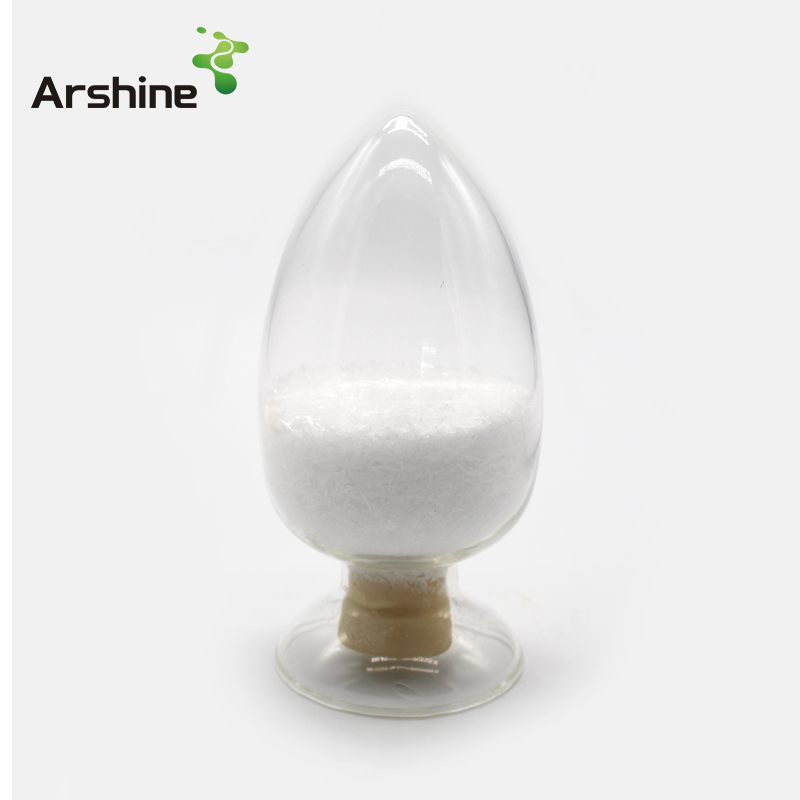
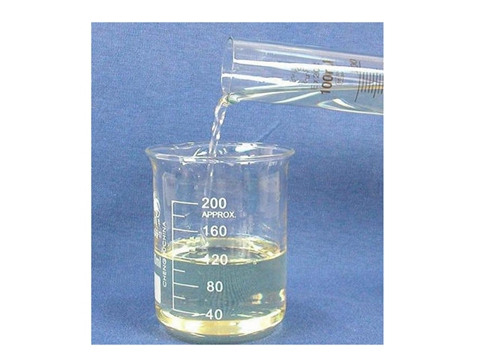
Pale yellow to amber oily viscous liquid |
Pale yellow to amber oily viscous liquid |
Pale yellow to amber oily viscous liquid |
| Hydroxyl value (KOHmg/g) |
65-85 |
80-105 |
90-120 |
| Saponification value (KOHmg/g) |
45-55 |
40-55 |
40-55 |
| Acid value (KOHmg/g) |
<2 |
<2 |
<2 |
AI Product Description
*The following content is generated by AI and is for reference only.
Tween surfactants, commercially known as Polysorbates, represent a versatile family of non-ionic emulsifiers widely utilized across pharmaceutical, food, and cosmetic industries. These compounds are synthesized through the ethoxylation of polyethoxylated sorbitan esters derived from fatty acids. While "Tween 20," "Tween 60," and "Tween 80" share a similar chemical backbone, they differ primarily in their fatty acid composition, which dictates their hydrophilic-lipophilic balance (HLB) and specific applications.
Tween 20, chemically designated as Polysorbate 20, is esterified with lauric acid. Its Chemical Abstracts Service (CAS) number is 9005-64-5. With an HLB value of approximately 16.7, it exhibits strong solubilizing properties for oils in water systems, making it ideal for stabilizing emulsions in shampoos, lotions, and intravenous drug formulations. It is also extensively used in biological research as a detergent to prevent protein aggregation during Western blotting and immunoassays.
Tween 60, or Polysorbate 60, utilizes stearic acid as its fatty acid source, carrying the CAS number 9005-67-8. This variant possesses a higher melting point and greater lipophilicity compared to Tween 20, resulting in an HLB value around 14.9. It is frequently employed in ice cream manufacturing to improve texture and shelf life, as well as in ointments where a more solid-like consistency is required for stability.
Tween 80, known as Polysorbate 80, is esterified with oleic acid and bears the CAS number 9005-65-3. With an HLB of 15.0, it offers excellent emulsification capabilities for a broad range of oil types. It is a critical component in vaccine formulations to stabilize antigens and serves as a carrier for poorly soluble drugs in parenteral injections. Furthermore, it acts as a key ingredient in salad dressings, bakery products, and personal care items to ensure smooth textures and uniform dispersion. Collectively, these Tweens are indispensable tools for enhancing product stability, solubility, and bioavailability in diverse commercial sectors.





 (All Rights Reserved)