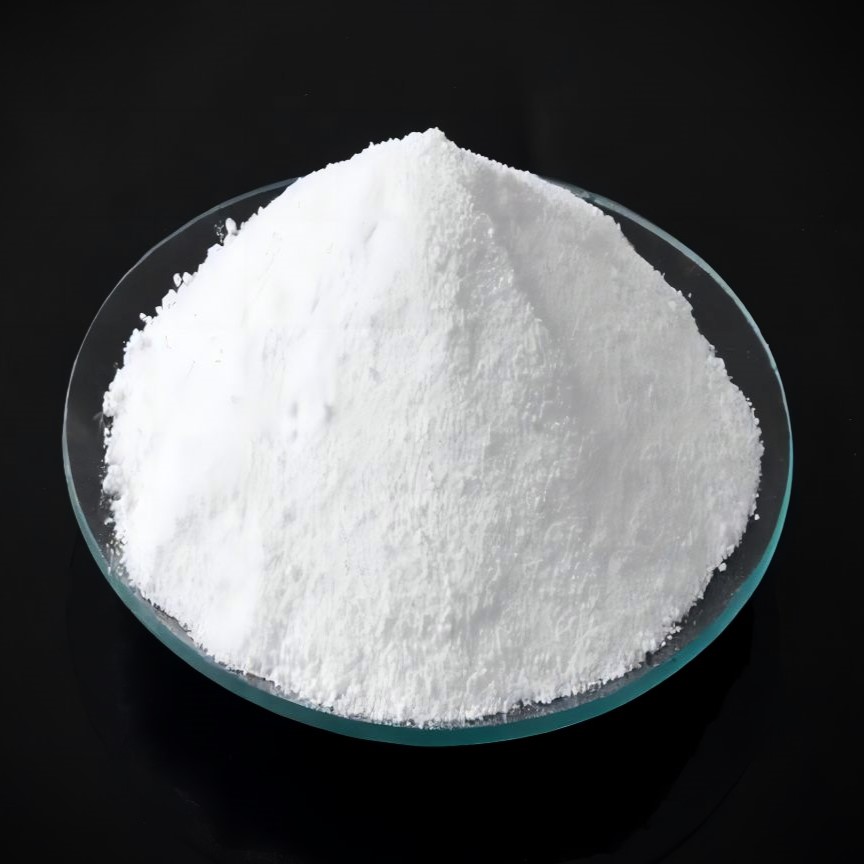
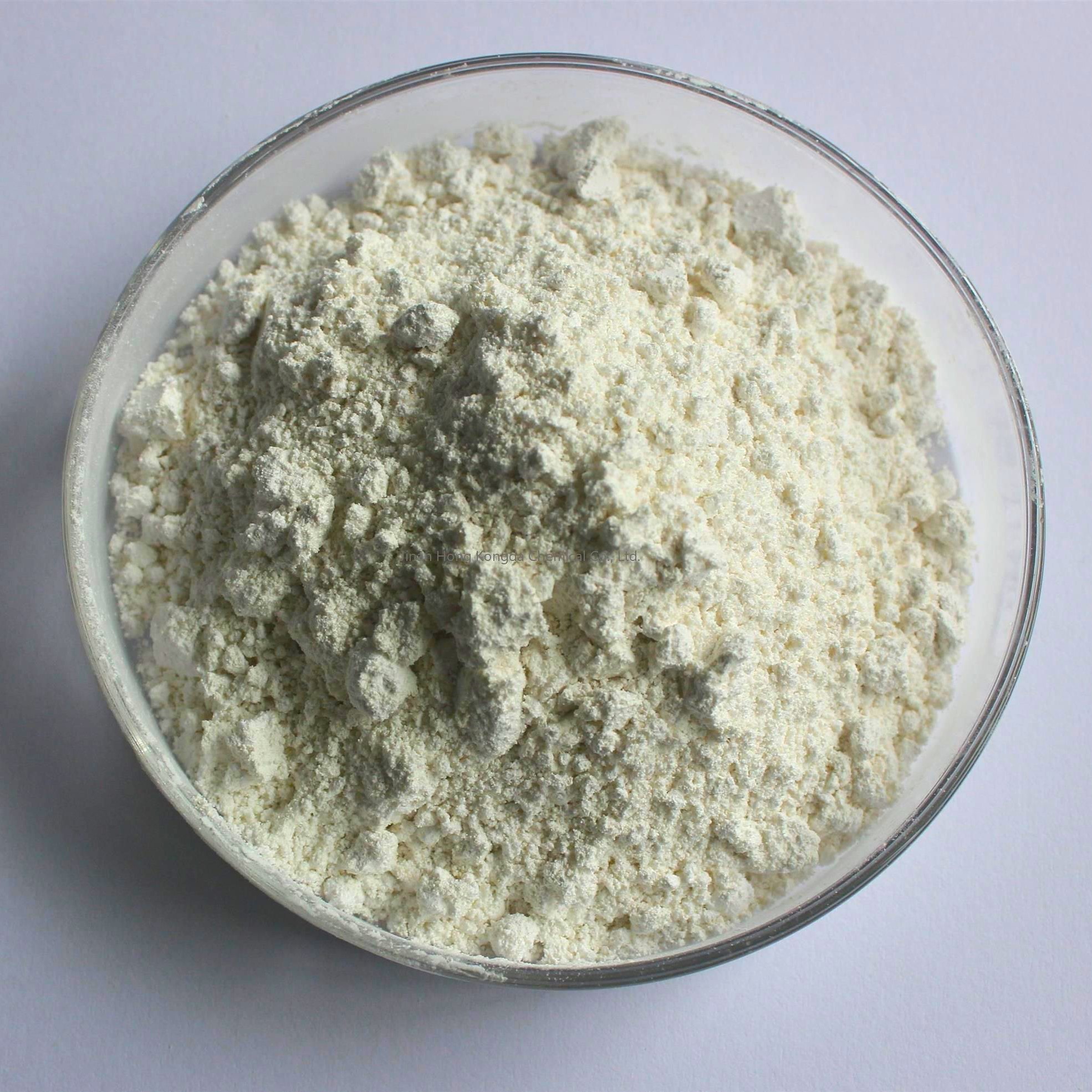
For chemical synthesis, the preparation of silicon-containing materials, such as silicone rubber, silicone oil, etc., can be used as surfactants or modifiers, in the field of electronics, it may be used to manufacture semiconductor devices, photoresist, etc., the pharmaceutical field to participate in the synthesis of some drugs or as a drug carrier.
*The following content is generated by AI and is for reference only.
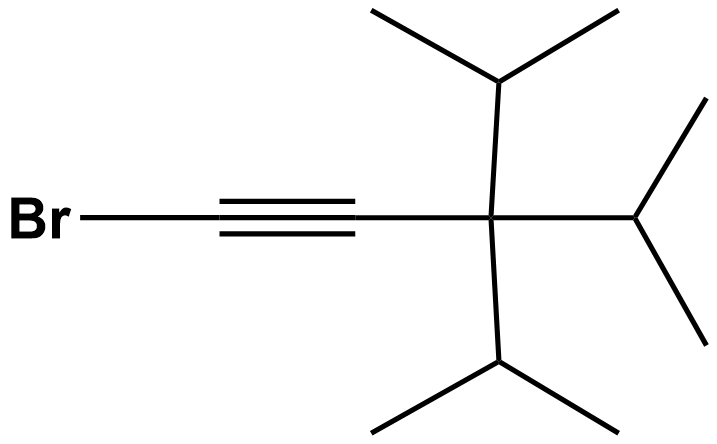
Triisopropylsilylacetylene is a specialized organosilicon compound widely utilized in organic synthesis and materials science. Its molecular formula is C12H26Si, reflecting a structure where an acetylene unit is bonded to a bulky triisopropylsilyl (TIPS) group. The compound is commonly identified by the CAS Registry Number 3407-53-8. This molecule serves as a crucial silylating agent, particularly valued for its ability to protect terminal alkyne functionalities during complex multi-step synthetic sequences. Due to the significant steric bulk of the three isopropyl groups attached to the silicon atom, TIPS-protected alkynes exhibit exceptional stability against various acidic, basic, and oxidative conditions that might cleave smaller silyl protecting groups like trimethylsilyl (TMS).
In pharmaceutical research and development, this reagent plays a pivotal role in constructing intricate molecular architectures. Chemists frequently employ it to temporarily mask reactive alkyne moieties, preventing unwanted side reactions such as polymerization or nucleophilic attack while other transformations occur elsewhere on the molecule. Once the desired structural modifications are complete, the TIPS group can be selectively removed under mild conditions using fluoride sources, such as tetrabutylammonium fluoride (TBAF), to regenerate the free terminal alkyne. This reversibility makes it indispensable in total synthesis strategies for natural products and bioactive compounds.
Beyond medicinal chemistry, Triisopropylsilylacetylene finds applications in the field of materials science, specifically in the preparation of conductive polymers and liquid crystals. The unique electronic properties imparted by the silicon-acetylene linkage contribute to the development of advanced functional materials with tailored optical and electrical characteristics. Furthermore, its high solubility in common organic solvents facilitates ease of handling and purification through standard techniques like column chromatography or distillation. As a versatile building block, it enables researchers to explore novel chemical space with greater precision and efficiency. Whether used in academic laboratories or industrial settings, this compound remains a staple tool for chemists aiming to achieve high-yield, selective syntheses of sophisticated organic molecules. Its reliability and predictable reactivity profile ensure continued relevance in modern chemical innovation.



 (All Rights Reserved)