Category:
Active Pharmaceutical Ingredients
CAS NO:
354-32-5
Standard:
In-house Standards,

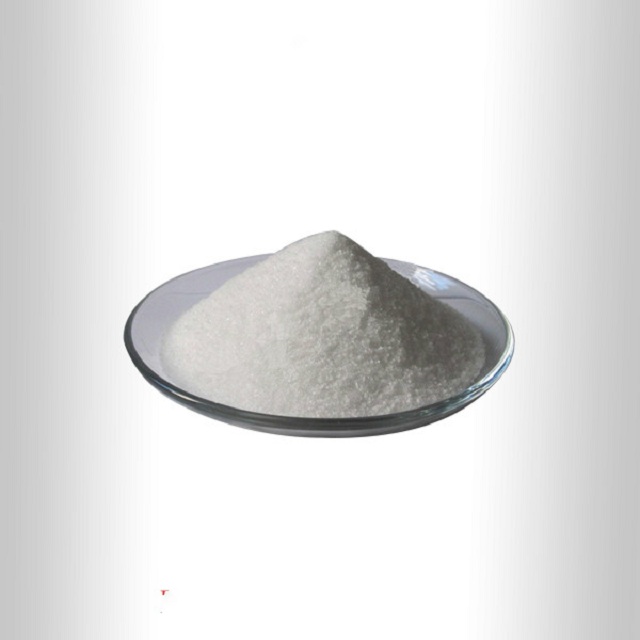
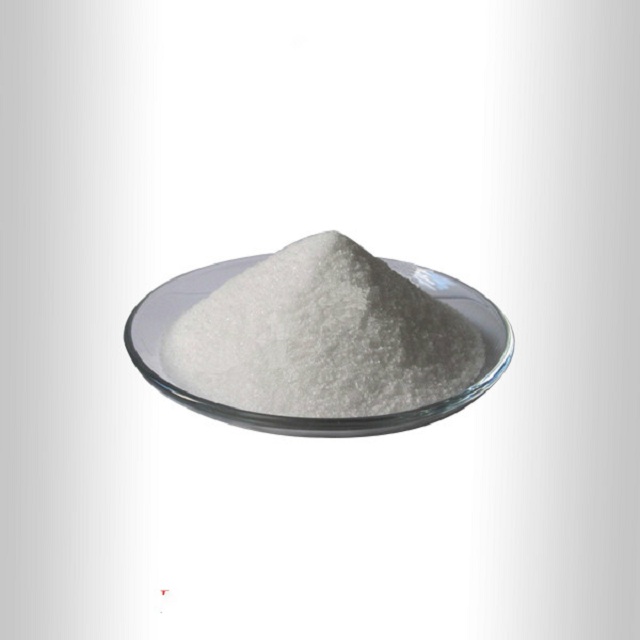
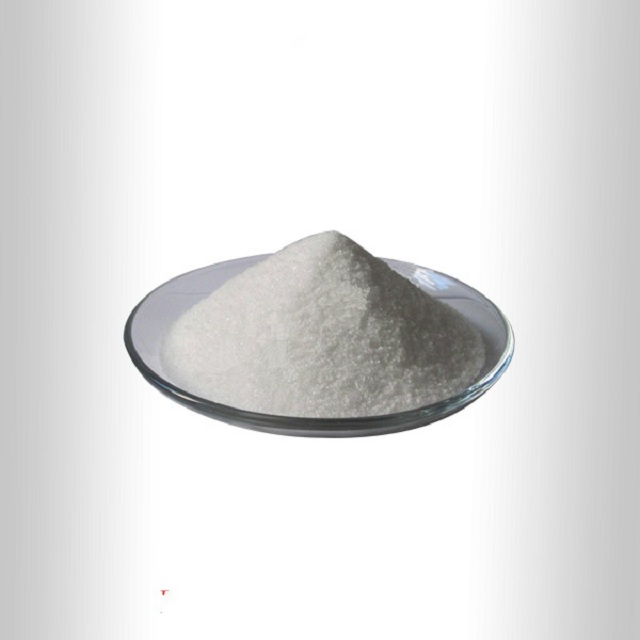
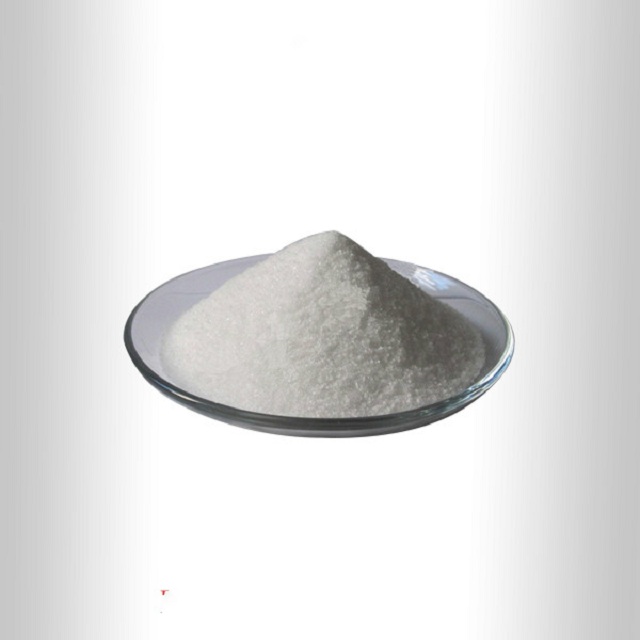
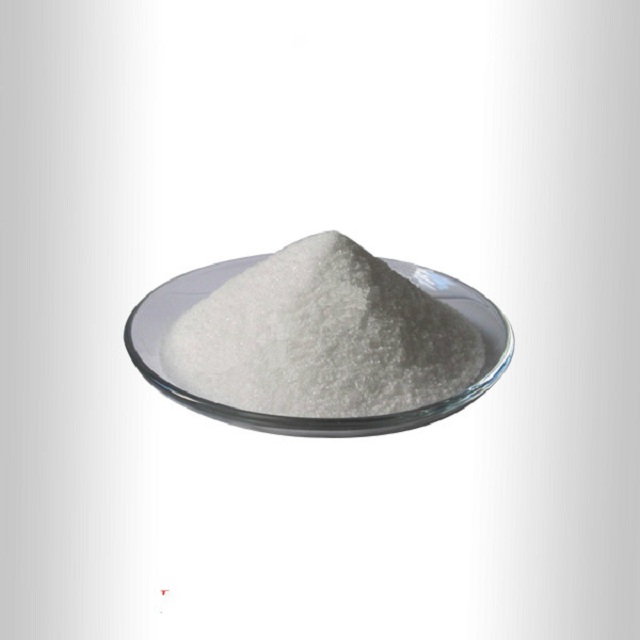
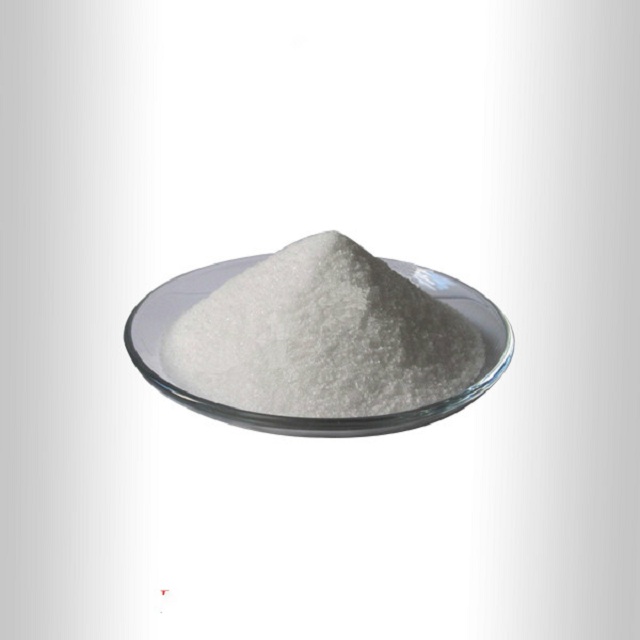
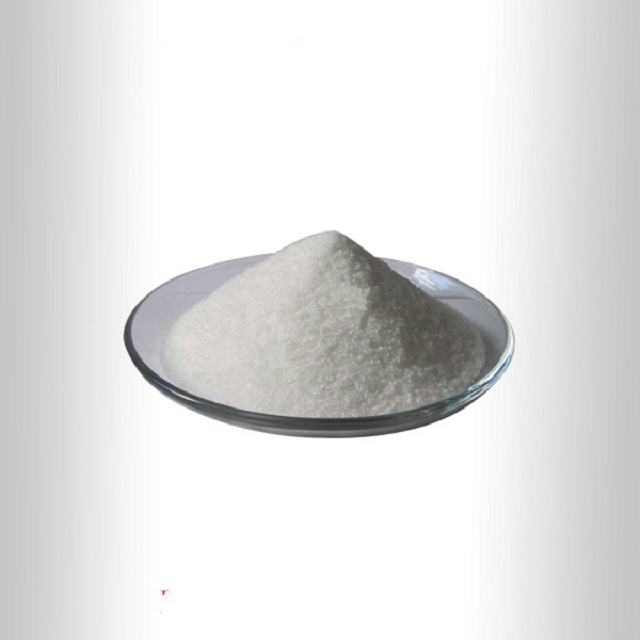
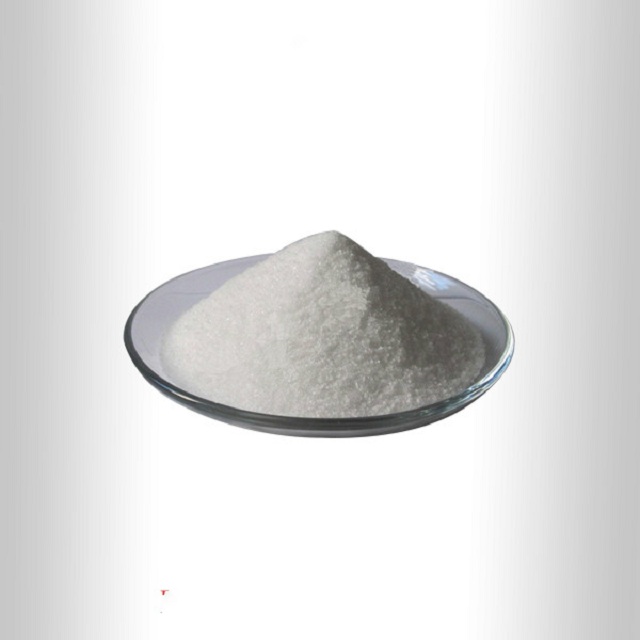
Trifluoroacetyl chloride, Trifluoroacetyl chloride, C2ClF3O, 132.5. Reacts with water or steam to exotherm and produce a toxic, corrosive gas. Corrosive to most metals at high tide. In case of high heat, the pressure inside the vessel increases, and there is a risk of cracking and explosion. Trifluoroacetyl chloride is mainly used to synthesize trifluoroacetic acid or other derivatives. Properties: colorless, irritating gas.
Chemical properties
Decomposition of toxic hydrogen chloride and hydrogen fluoride gases in water.
Fire and explosion hazard: this product is non-flammable, toxic and highly irritating.
Hazardous properties: when exposed to water or steam, it gives off corrosive poisonous gases. In case of high heat, the pressure inside the vessel increases, and there is the risk of cracking and explosion.
Combustion (decomposition) products: carbon monoxide, hydrogen chloride, fluoride.
Trifluoroacetyl chloride is a typical intermediate in organic synthesis reaction. Because of the electron-absorbing effect of the CF3 group, the carbonyl group is more reactive to the nucleophile and less basic to the carbonyl oxygen than its fluorine-free counterpart, CH3COCl
Toxicology data
Acute toxicity: rats inhaled LCLo: 35300ppb/6H; LCLo inhalation in mice: 35300ppb/6H; Guinea pig inhalation LC: >35300ppb/6H









 (All Rights Reserved) (All Rights Reserved)