Aliase: 2-[6-(3R)-3-aminopiperidin-1-y1]-3-methy1-2 4-dioxopyrimidin-1-yl]methyl]-fuorobenzonitrile
Purity: 99%
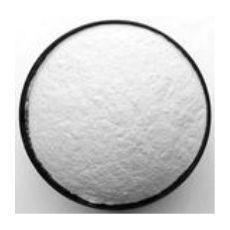
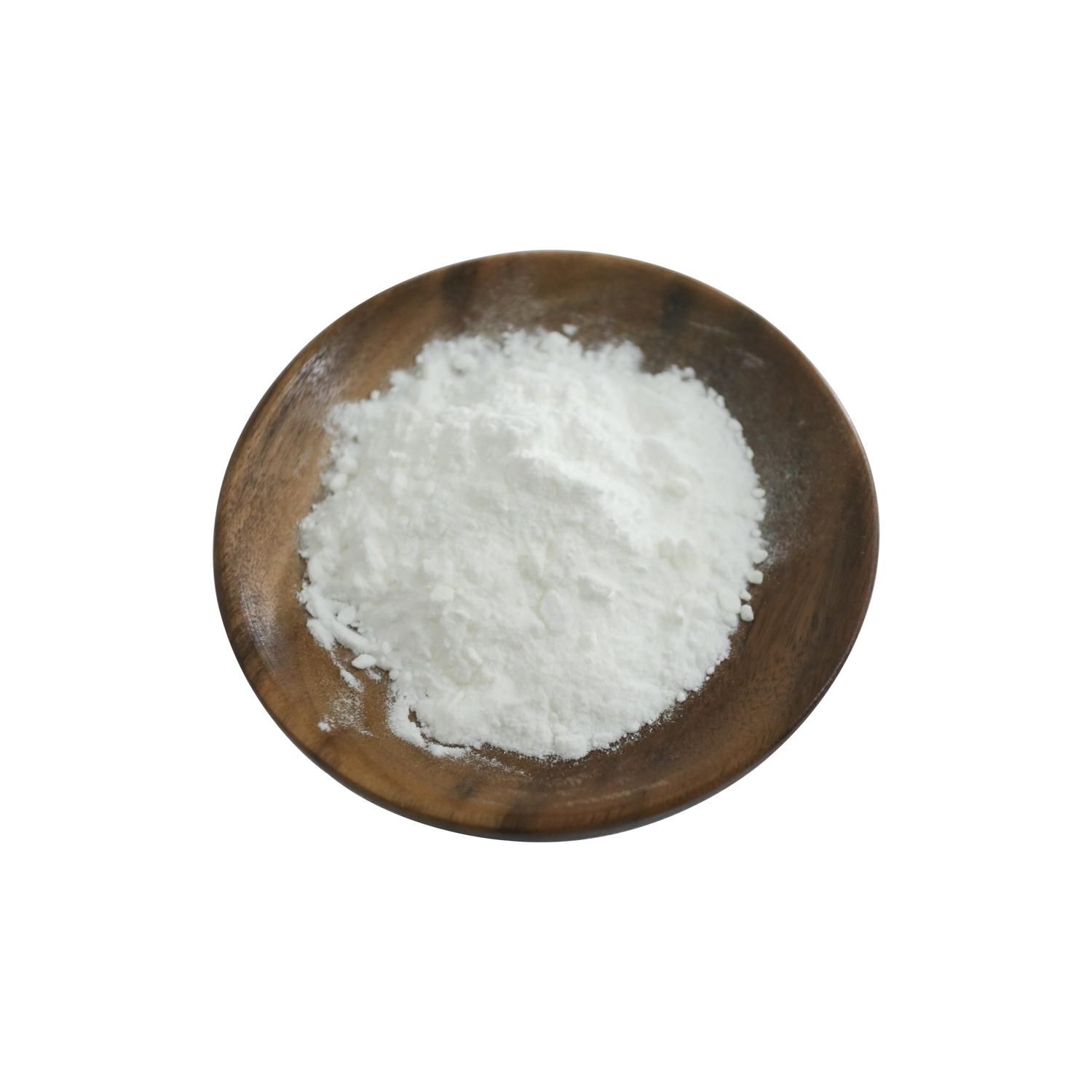
Appearance:white powder
Common Name: Trelagliptin
CAS Number: 865759-25-7
Molecular Formula: C18H20FN5O2
*The following content is generated by AI and is for reference only.
Trelagliptin, identified by the CAS number 865759-25-7, is a potent and highly selective dipeptidyl peptidase-4 (DPP-4) inhibitor developed for the management of type 2 diabetes mellitus. Its molecular formula is C23H28N6O4S, corresponding to a precise molecular weight of approximately 476.57 g/mol. Structurally, it features a unique pyrrolidine-based scaffold that distinguishes it from earlier generations of DPP-4 inhibitors, offering enhanced stability and prolonged pharmacological activity.
The primary therapeutic application of Trelagliptin lies in its ability to inhibit the enzyme DPP-4, which is responsible for the rapid degradation of incretin hormones such as glucagon-like peptide-1 (GLP-1) and glucose-dependent insulinotropic polypeptide (GIP). By preventing this enzymatic breakdown, Trelagliptin effectively increases endogenous levels of active incretins. This mechanism leads to glucose-dependent stimulation of insulin secretion from pancreatic beta cells and suppression of inappropriate glucagon release from alpha cells, thereby lowering blood glucose levels without causing significant hypoglycemia when used as monotherapy.
A defining characteristic of Trelagliptin is its long half-life, which permits once-weekly dosing. This dosing regimen significantly improves patient adherence compared to daily oral medications, addressing a common challenge in chronic disease management. Clinical studies have demonstrated its efficacy in reducing hemoglobin A1c (HbA1c) levels in patients with type 2 diabetes, both as a standalone treatment and in combination with other antidiabetic agents like metformin or sulfonylureas. Furthermore, it exhibits a favorable safety profile with minimal risk of weight gain, making it a valuable option for diverse patient populations. While originally developed in Japan and marketed under brand names such as Nesina, its discovery represents a significant advancement in the evolution of oral antihyperglycemic therapies, providing a convenient and effective tool for glycemic control in modern medical practice.




 (All Rights Reserved)




![6,8-Dioxo-5,7-diazaspiro[3.4]octane-2-carboxylic acid](https://eimg.pharmasources.com/image/product/20250403/02effeb5a7639bc84ff1f3add3c0c64fjpg)
![8,16-Diazadispiro[6.1.6.2]heptadecan-17-one](https://eimg.pharmasources.com/image/product/20250403/ca91cba8b87e53fc879f8d8764873a40jpg)
![8-Oxa-1,3-diazaspiro[4.5]decane-2,4-dione](https://eimg.pharmasources.com/image/product/20250403/60fa7223d5a34f24138486ceea0ffb15jpg)