*The following content is generated by AI and is for reference only.
Topiroxostat is a potent and selective xanthine oxidase inhibitor (XOI) developed primarily for the management of hyperuricemia associated with gout. Unlike traditional therapies such as allopurinol or febuxostat, Topiroxostat exhibits a unique mechanism by specifically targeting both the oxidized and reduced forms of xanthine oxidase, thereby effectively blocking the conversion of hypoxanthine to xanthine and xanthine to uric acid. This dual-action capability allows it to maintain robust serum urate-lowering effects even under varying physiological conditions where other inhibitors might lose efficacy.
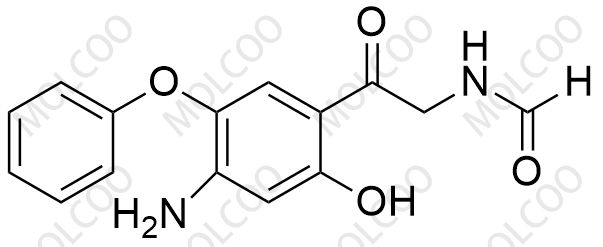
The chemical identity of Topiroxostat includes the molecular formula C21H19ClN4O3S and the CAS registry number 867059-28-7. Structurally, it belongs to the class of pyrazolo[1,5-a]pyrimidine derivatives, which contribute to its high affinity for the enzyme active site. Clinically, Topiroxostat has demonstrated significant potential in reducing serum uric acid levels rapidly after administration, often achieving target levels within days. It is particularly advantageous for patients who are intolerant to allopurinol or have renal impairment, as it does not require dose adjustment based on kidney function to the same extent as some competitors. Furthermore, its favorable safety profile minimizes the risk of severe hypersensitivity reactions, a critical concern with first-line agents.
In terms of therapeutic application, Topiroxostat is indicated for lowering serum uric acid in adult patients with gouty arthritis and asymptomatic hyperuricemia. By preventing the formation of monosodium urate crystals, it helps alleviate acute gout attacks and prevents long-term joint damage and tophi formation. The drug has gained regulatory approval in several markets, including Japan, marking a significant advancement in gout therapy. Its development represents a strategic evolution in managing chronic metabolic disorders related to purine metabolism, offering clinicians a reliable alternative for long-term disease control. Ongoing research continues to explore its efficacy in combination therapies and broader patient populations, solidifying its role as a cornerstone medication in modern rheumatology.