Aliase: Ticargrelor
Purity: 99%
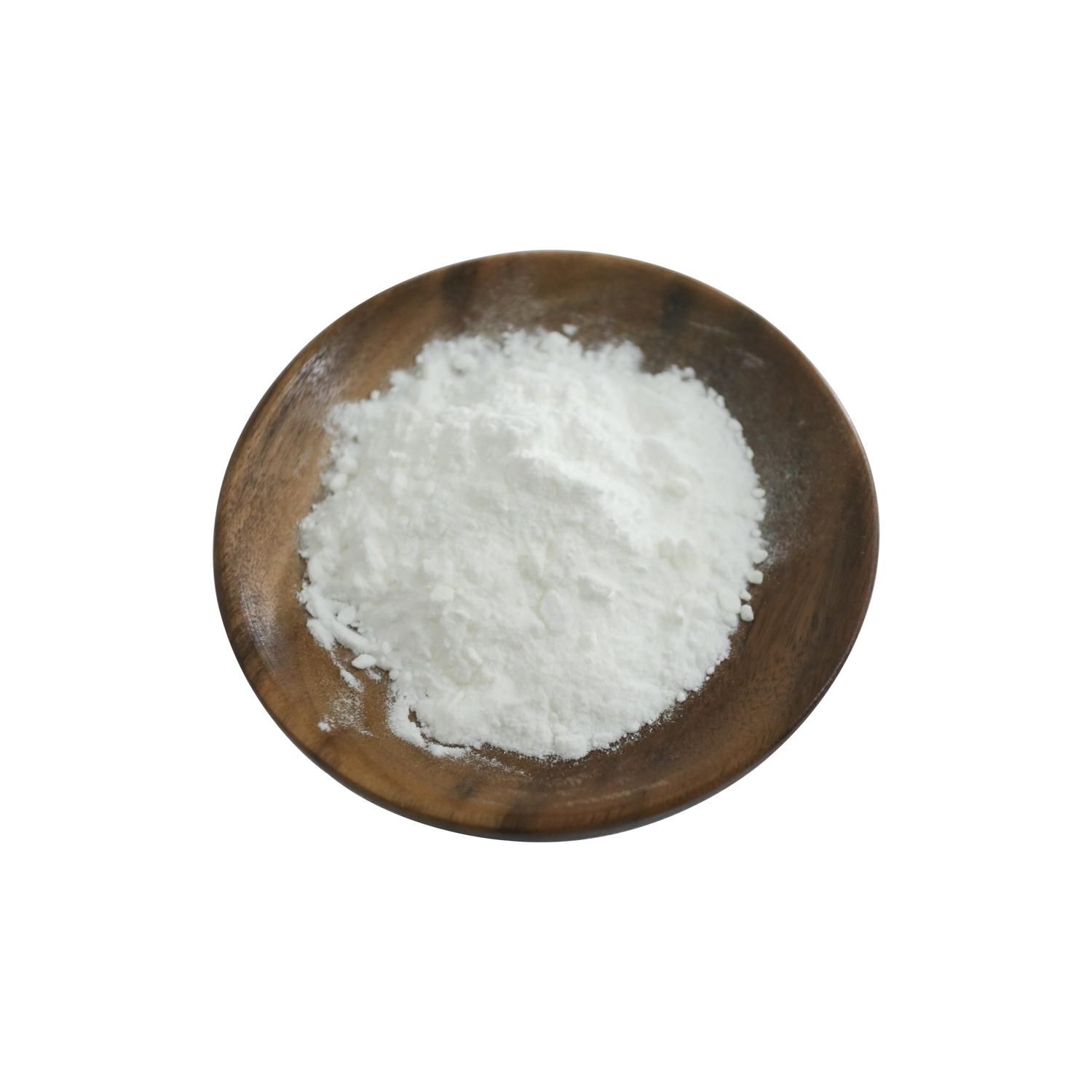
Appearance:powder
inventory: in stocks
Usage: Ticagrelor, the first reversible oral P2Y12 receptor antagonist, provides faster, greater, and more consistent ADP-receptor
inhibition than Clopidogrel. Used in the treatment of acute coronary syndromes (ACS)
*The following content is generated by AI and is for reference only.
Ticagrelor is a potent, reversible P2Y12 receptor antagonist used primarily in the management of acute coronary syndromes (ACS) and in patients with established coronary artery disease. Unlike thienopyridines such as clopidogrel, ticagrelor does not require metabolic activation by hepatic cytochrome P450 enzymes, allowing for more predictable pharmacokinetics and rapid onset of action. Its chemical structure is defined by the molecular formula C23H28F3N7O4S, and it is identified by the CAS number 659353-06-5. The compound features a cyclopentyl group and a difluorophenyl moiety, which contribute to its high affinity and selectivity for the P2Y12 ADP receptor on platelet surfaces.
Clinically, ticagrelor is indicated for reducing the rate of thrombotic cardiovascular events in patients with ACS, including those treated with percutaneous coronary intervention (PCI). It is typically administered in combination with low-dose aspirin as part of dual antiplatelet therapy (DAPT). A significant advantage of ticagrelor over other antiplatelet agents is its ability to provide consistent platelet inhibition regardless of genetic polymorphisms affecting CYP2C19 metabolism, making it particularly effective for patients who are poor metabolizers of clopidogrel. Furthermore, due to its reversible binding mechanism, platelet function recovers more quickly after discontinuation compared to irreversible inhibitors, offering flexibility in managing bleeding risks or the need for urgent surgery.
Common side effects include dyspnea, bradycardia, and an increased risk of bleeding. Despite these considerations, ticagrelor has demonstrated superior efficacy in preventing stent thrombosis and recurrent myocardial infarction in major clinical trials like PLATO. Its oral bioavailability is high, and it is available in tablet formulations ranging from 60 mg to 90 mg. As a cornerstone in modern cardiology, ticagrelor represents a significant advancement in antithrombotic therapy, balancing robust antiplatelet activity with a favorable safety profile for high-risk cardiovascular patients.





 (All Rights Reserved)




![6,8-Dioxo-5,7-diazaspiro[3.4]octane-2-carboxylic acid](https://eimg.pharmasources.com/image/product/20250403/02effeb5a7639bc84ff1f3add3c0c64fjpg)
![8-Oxa-1,3-diazaspiro[4.5]decane-2,4-dione](https://eimg.pharmasources.com/image/product/20250403/60fa7223d5a34f24138486ceea0ffb15jpg)
![8,16-Diazadispiro[6.1.6.2]heptadecan-17-one](https://eimg.pharmasources.com/image/product/20250403/ca91cba8b87e53fc879f8d8764873a40jpg)
