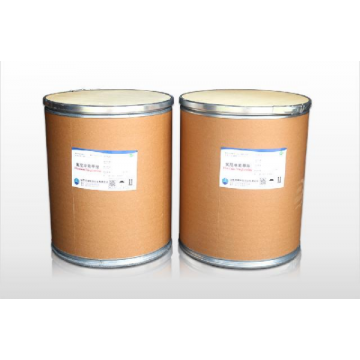
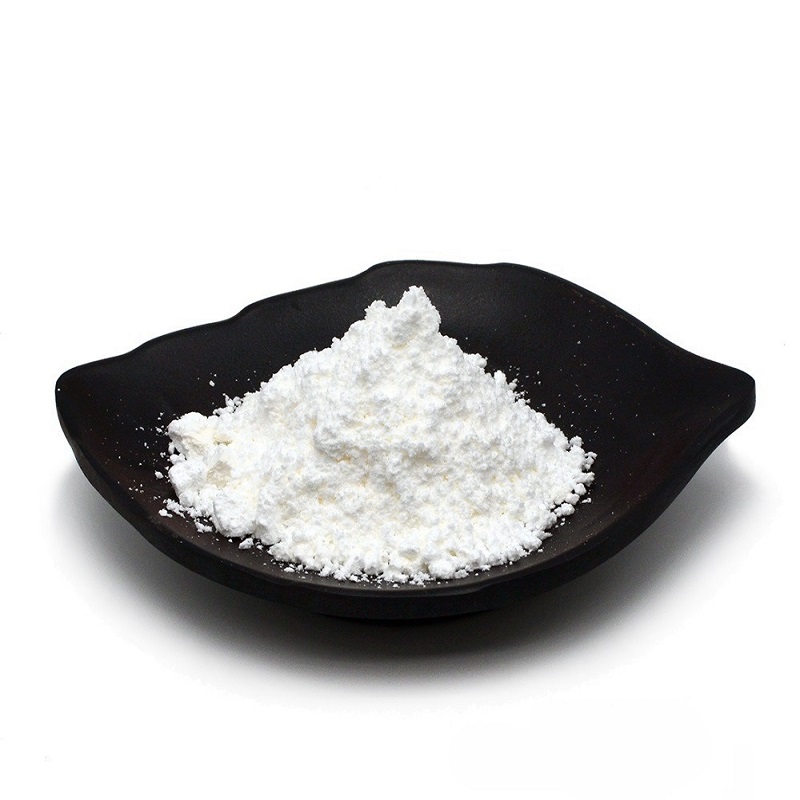
Product Description
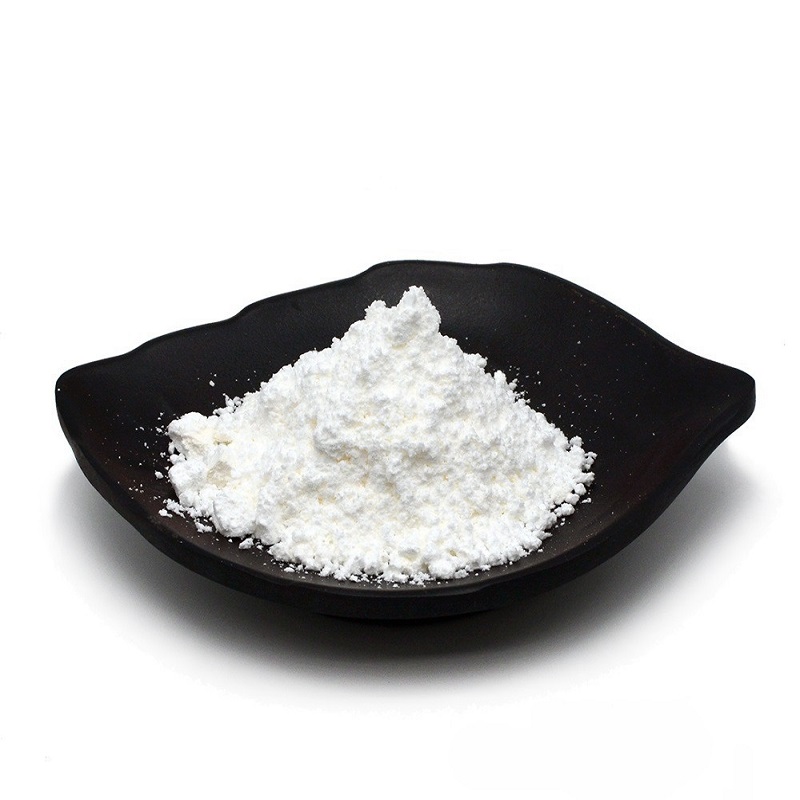
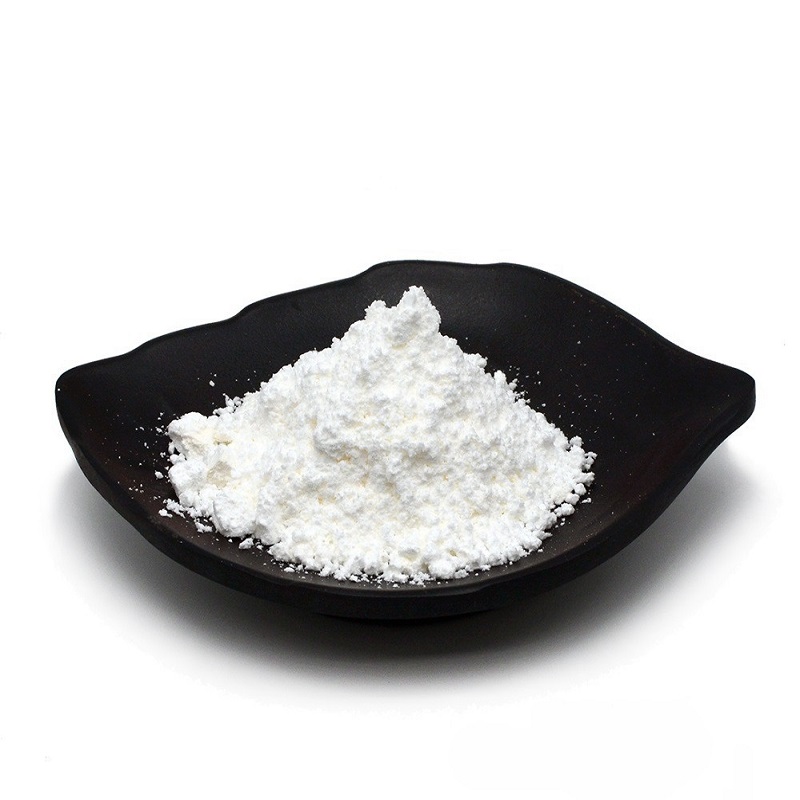
Tamiocin fumarate can be used for the treatment of porcine pneumonia caused by Actinobacillus pleuriopneumoniae and hemorrhagic dysentery caused by Treponema suis. As a feed drug additive for pigs, it can promote weight gain. It is also effective for chronic respiratory disease in chickens, Mycoplasma suis pneumonia, and staphylococcus synovitis in chickens.
AI Product Description
*The following content is generated by AI and is for reference only.
Tiamulin Fumarate is a semi-synthetic pleuromutilin antibiotic widely utilized in veterinary medicine for the treatment and control of various bacterial infections in swine, poultry, and cattle. Derived from the natural compound pleuromutilin produced by the fungus *Clitopilus passeckerianus*, this drug acts as a bacteriostatic agent by inhibiting protein synthesis. Specifically, it binds to the 50S subunit of the bacterial ribosome, blocking the translocation step and preventing the formation of functional peptide chains, thereby halting bacterial growth. The fumarate salt form enhances the solubility and stability of the active ingredient, facilitating its incorporation into feed premixes, water solutions, and injectable formulations.
The Chemical Abstracts Service (CAS) number for Tiamulin Fumarate is 68917-38-4. Its molecular formula is C28H43NO8S, reflecting the complex structure comprising the pleuromutilin core linked with a fumaric acid moiety. This product is primarily indicated for the management of respiratory diseases such as mycoplasmosis, enzootic pneumonia, and swine dysentery caused by susceptible organisms like *Mycoplasma hyopneumoniae*, *Treponema hyodysenteriae*, and *Actinobacillus pleuropneumoniae*. It is also effective against certain Gram-positive bacteria and anaerobes. Due to its specific mode of action, Tiamulin Fumarate offers a valuable alternative to traditional antibiotics, helping to mitigate the growing global concern regarding antimicrobial resistance when used responsibly under veterinary supervision.
Administration is typically achieved through oral routes, either mixed directly into drinking water or incorporated into feed, ensuring broad coverage within herd settings. While generally safe, care must be taken to adhere strictly to withdrawal periods before slaughter to prevent residues in food products. The drug exhibits good tissue penetration, making it highly effective for treating deep-seated infections. However, cross-resistance may occur with other pleuromutilins, and concurrent use with ionophores requires caution due to potential toxicity risks. As a cornerstone therapeutic in modern livestock farming, Tiamulin Fumarate remains essential for maintaining animal health, optimizing production efficiency, and ensuring food safety standards are met globally.






 (All Rights Reserved)