Product Description
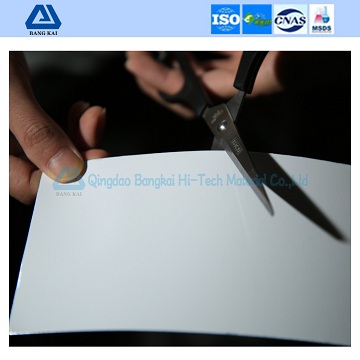
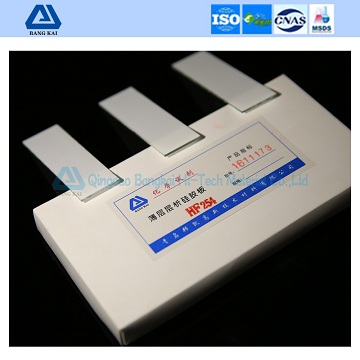
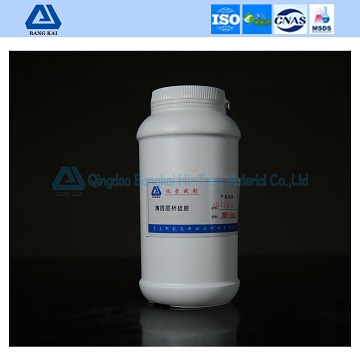
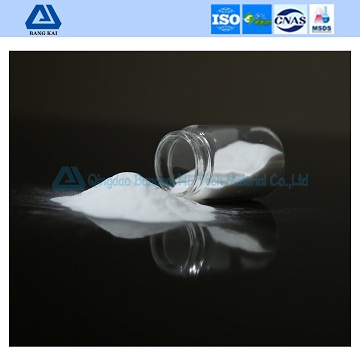
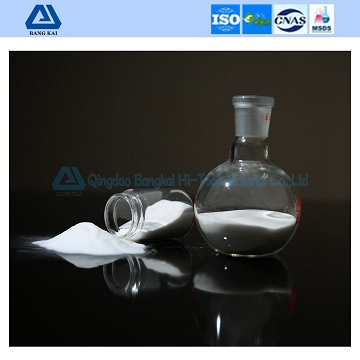
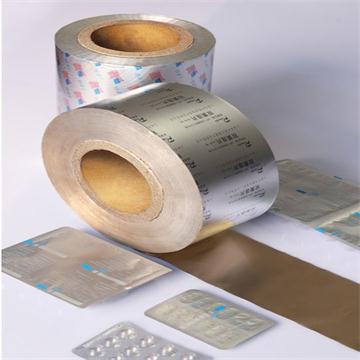
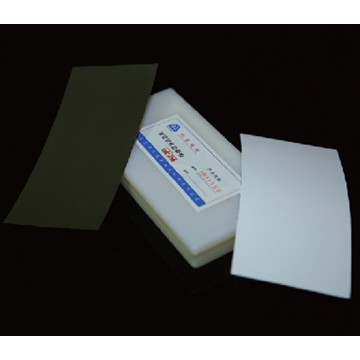
Thin-layer chromatography silica gel aluminum foil plate is a thin layer chromatography separating material made by applying silica gel on the aluminum foil uniformly with a special coating device on the premise of using quality silica gel powder as adsorbent and modulating with new organic binder. It has the features of a small amount of spotting, fast separation, high sensitivity, more convenient to carry and crop, etc.
AI Product Description
*The following content is generated by AI and is for reference only.
Thin-layer chromatography (TLC) silica gel aluminum foil plates are essential analytical tools widely used in chemistry, pharmaceuticals, and food science for the rapid separation and identification of chemical compounds. These plates consist of a thin layer of high-purity silica gel adhered to a flexible, durable aluminum foil backing, offering superior mechanical stability compared to traditional glass or plastic supports. The primary function of these plates is to separate mixtures based on differences in polarity, allowing researchers to monitor reaction progress, assess purity, and identify unknown substances by comparing their retention factor (Rf) values against known standards under UV light or after staining.
The aluminum substrate provides excellent rigidity while remaining lightweight, preventing bending or cracking during handling. Furthermore, it offers enhanced resistance to moisture and heat, ensuring consistent performance even in demanding laboratory environments. Users typically apply samples as small spots near the bottom edge using capillary tubes, then develop the plate in a solvent chamber until the mobile phase reaches the designated height. Once developed, components are visualized under short-wave or long-wave UV illumination, revealing distinct fluorescent quenching spots against a green background, or through chemical derivatization reagents for non-UV-active compounds.
Several critical precautions must be observed to ensure safety and data accuracy. Always handle plates in a well-ventilated area, as developing solvents often contain volatile organic compounds that can be harmful if inhaled. Avoid direct skin contact with silica gel dust, which may cause irritation, and wear appropriate personal protective equipment including gloves and safety goggles. Do not expose plates to excessive heat or open flames, as the adhesive binding the silica to the aluminum may degrade. Additionally, store unused plates in a dry, sealed container to prevent moisture absorption, which can significantly alter separation efficiency. Proper disposal of used plates containing hazardous chemicals is also mandatory according to local environmental regulations. By adhering to these guidelines, scientists can maximize the reliability and longevity of TLC analysis results.





 (All Rights Reserved)