Product Description
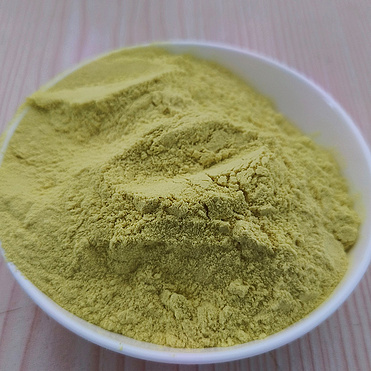
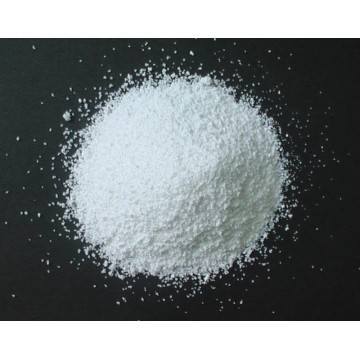
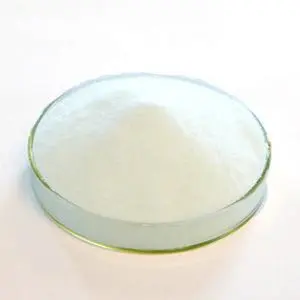
中文名称 甲砜霉素
英文名称 thiamphenicol
中文别名 硫霉素;甲砜氯霉素;
CAS RN 15318-45-3
EINECS号 239-355-3
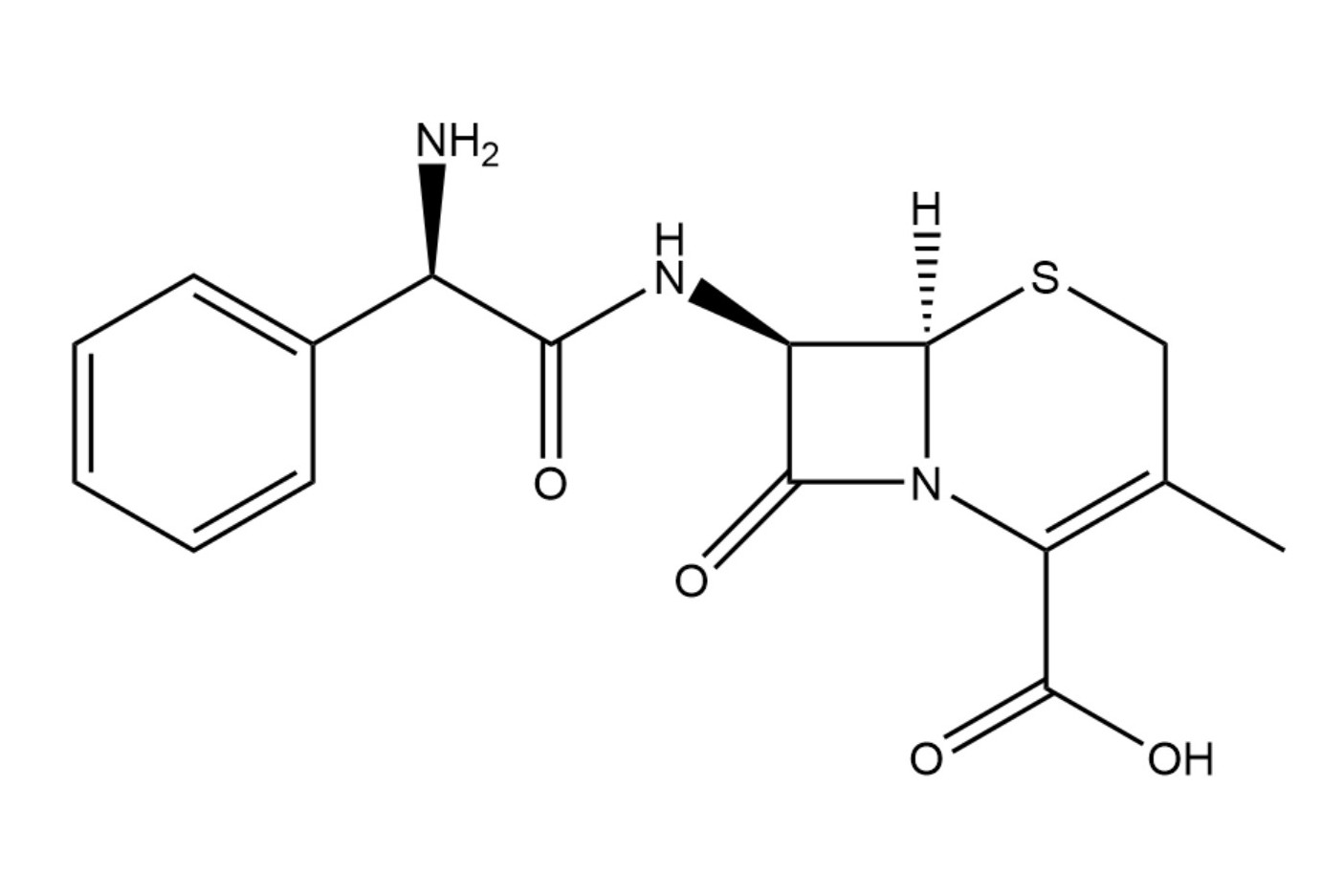
分 子 式 C12H14Cl2N2O7S
分 子 量 401.22
AI Product Description
*The following content is generated by AI and is for reference only.
Thiamphenicol is a broad-spectrum amphenicol antibiotic structurally related to chloramphenicol but distinguished by the absence of a nitro group, which significantly reduces its potential for severe hematologic toxicity such as aplastic anemia. Its molecular formula is C12H15Cl2NO4S, and it is identified by the CAS number 15318-46-0. The compound features a unique thioamide structure that enhances its metabolic stability compared to its predecessor, making it a preferred choice in specific clinical scenarios where bone marrow suppression risks must be minimized.
Originally developed to address the safety concerns associated with chloramphenicol, Thiamphenicol acts by inhibiting bacterial protein synthesis. It binds reversibly to the 50S subunit of the bacterial ribosome, thereby blocking peptide bond formation and preventing the elongation of the polypeptide chain. This mechanism renders it effective against a wide array of Gram-positive and Gram-negative bacteria, including strains resistant to tetracyclines and penicillins. Consequently, it is widely utilized in veterinary medicine across many countries to treat respiratory infections, enteritis, and urinary tract infections in livestock and poultry. In human medicine, while its use has declined in some regions due to the availability of newer antibiotics, it remains a valuable therapeutic agent in areas where chloramphenicol is contraindicated or unavailable.
The drug is typically administered orally in the form of capsules or powders, though injectable formulations exist for acute cases. Due to its high lipid solubility, Thiamphenicol achieves excellent tissue penetration, reaching therapeutic concentrations in the lungs, liver, and kidneys. However, like other antibiotics in its class, it requires careful monitoring to prevent adverse effects, although the risk of gray baby syndrome and irreversible bone marrow failure is notably lower than with chloramphenicol. Despite its efficacy, resistance patterns are emerging globally, necessitating prudent usage to preserve its long-term utility. Regulatory status varies internationally; while approved in numerous Asian and South American markets, it is not currently marketed in the United States or the European Union. Ongoing research continues to explore its potential in combination therapies to combat multidrug-resistant pathogens effectively.




 (All Rights Reserved)