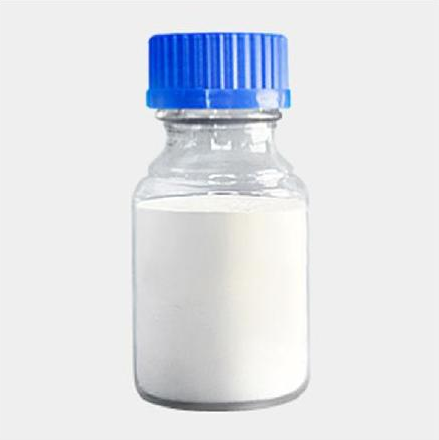
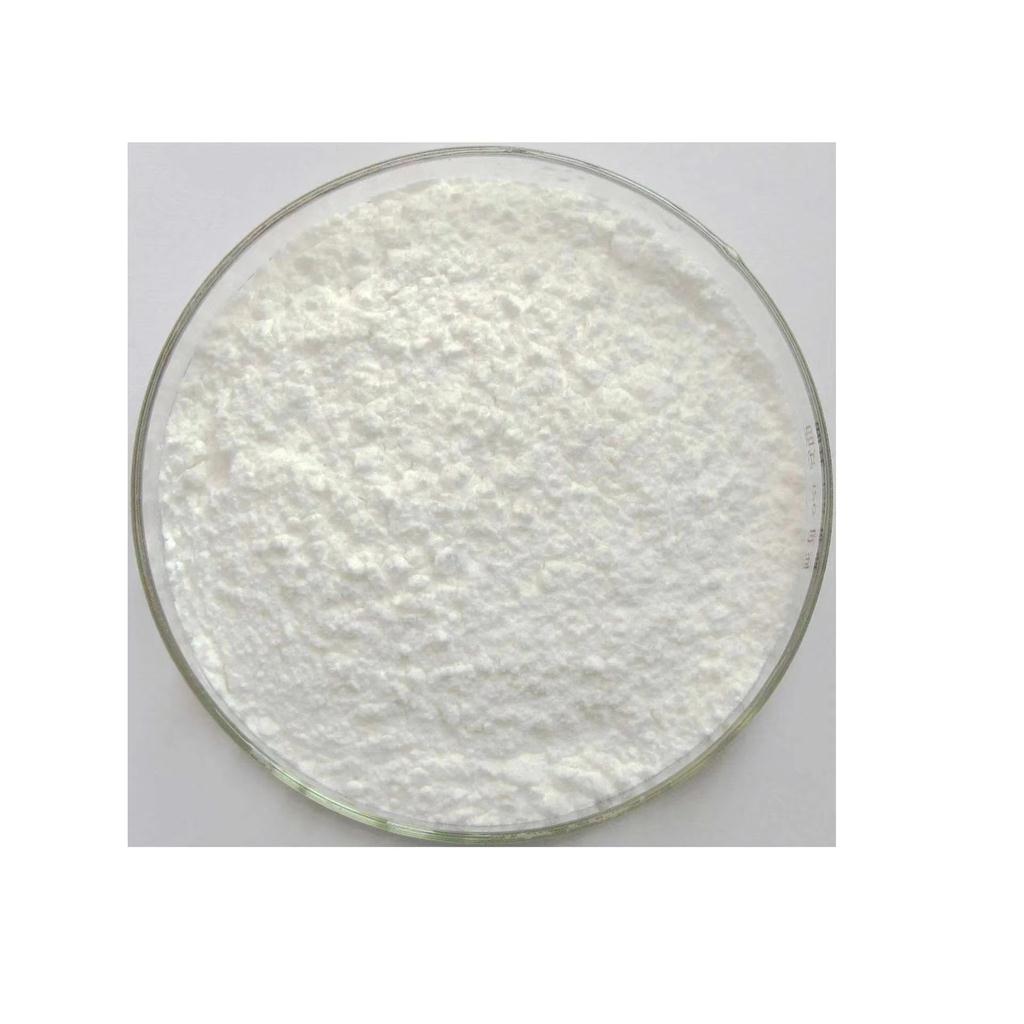
Theaflavin (TF) and its derivatives, known collectively as theaflavins, are antioxidant polyphenols that are formed from the condensation of flavan-3-ols in tea leaves during the enzymatic oxidation (sometimes erroneously referred to as fermentation) of black tea.
*The following content is generated by AI and is for reference only.
Theaflavin is a prominent bioactive polyphenol belonging to the class of oligomeric flavan-3-ols, specifically known as theaflavins. These compounds are formed during the enzymatic oxidation of catechins in tea leaves, primarily occurring in black tea and oolong tea production. The molecular formula of theaflavin is C29H24O12, reflecting its complex structure composed of two galloyl groups linked by a benzotropolone ring system. Its corresponding CAS registry number is 78607-27-5, which serves as a unique identifier for chemical databases and regulatory documentation worldwide.
In terms of industrial and scientific applications, theaflavin is highly valued for its potent antioxidant properties, which help neutralize free radicals and reduce oxidative stress within biological systems. Extensive research suggests that it plays a significant role in cardiovascular health by inhibiting LDL cholesterol oxidation and improving lipid profiles. Furthermore, studies indicate potential anti-inflammatory and anti-cancer effects, making it a subject of interest in pharmaceutical development and functional food ingredients. The compound is also utilized in the cosmetic industry for its skin-protective capabilities against UV radiation and aging signs.
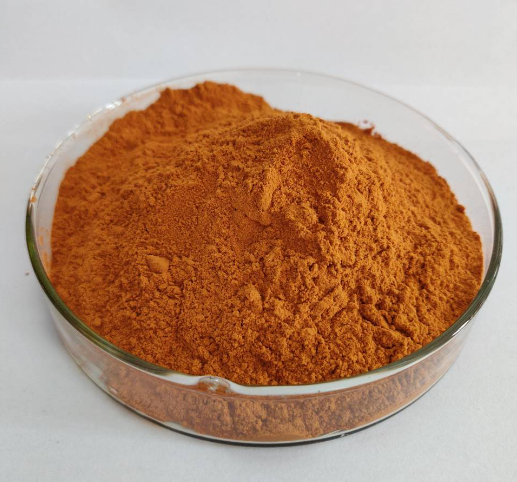
Commercially, theaflavin is extracted from black tea or synthesized through controlled enzymatic reactions to ensure high purity levels required for dietary supplements and nutraceutical formulations. It is often marketed as a standardized extract to guarantee consistent potency. As a natural colorant, it imparts a reddish-orange hue to beverages and food products, though its primary value lies in its therapeutic benefits rather than aesthetic appeal. Regulatory bodies in various countries have approved its use in food and supplement categories, provided it meets specific safety standards regarding dosage and contamination limits.
Despite its numerous benefits, the stability of theaflavin can be influenced by pH levels and temperature, necessitating careful formulation in commercial products. Ongoing research continues to explore its mechanisms of action at the cellular level, aiming to unlock new therapeutic avenues for metabolic disorders and neurodegenerative diseases. With growing consumer demand for natural health solutions, theaflavin remains a cornerstone ingredient in the global functional beverage and wellness markets, bridging traditional tea culture with modern scientific innovation.





 (All Rights Reserved)