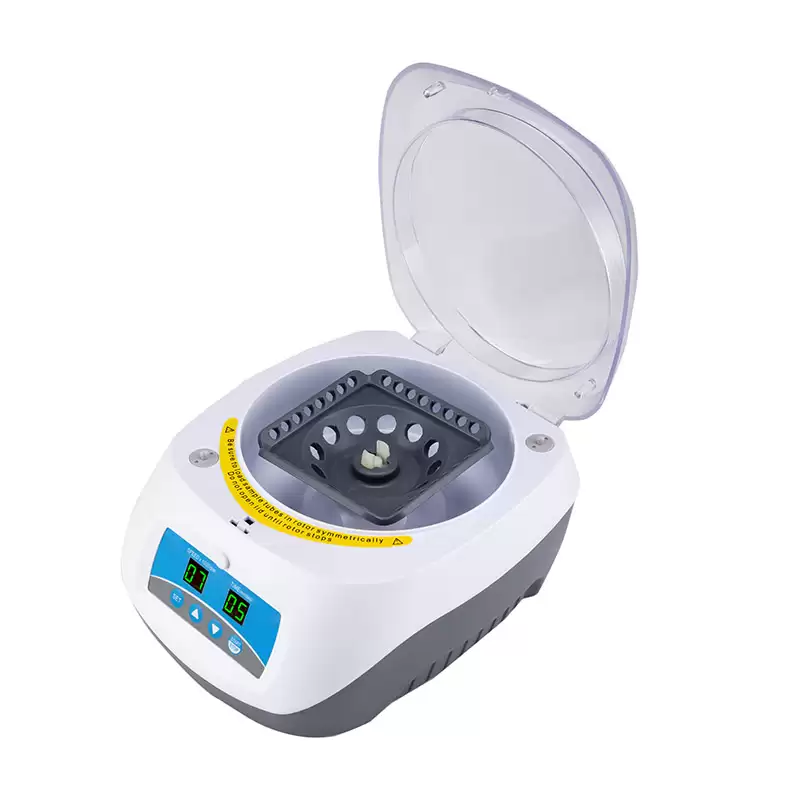
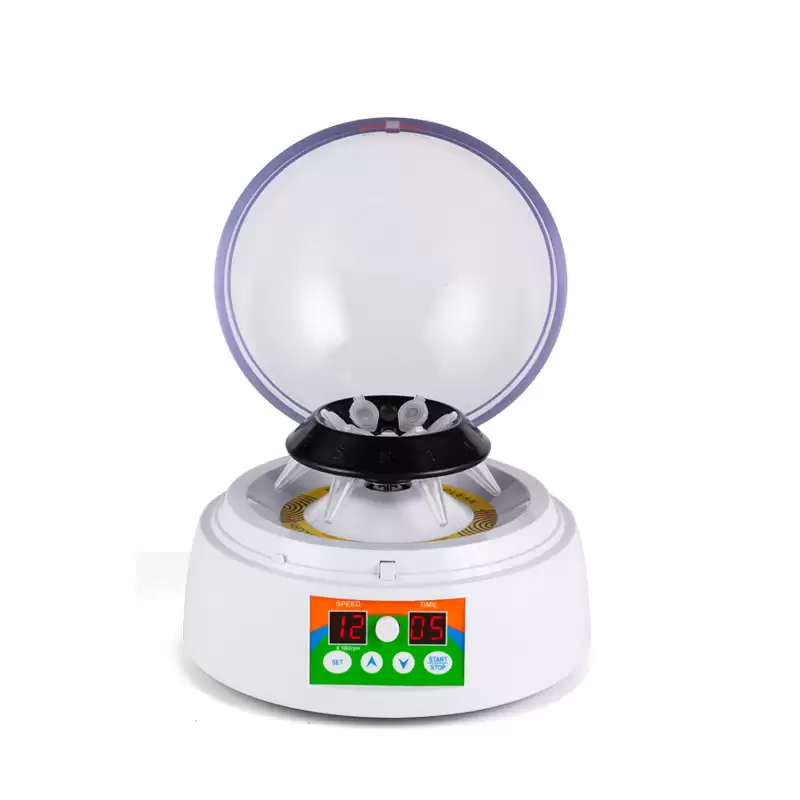
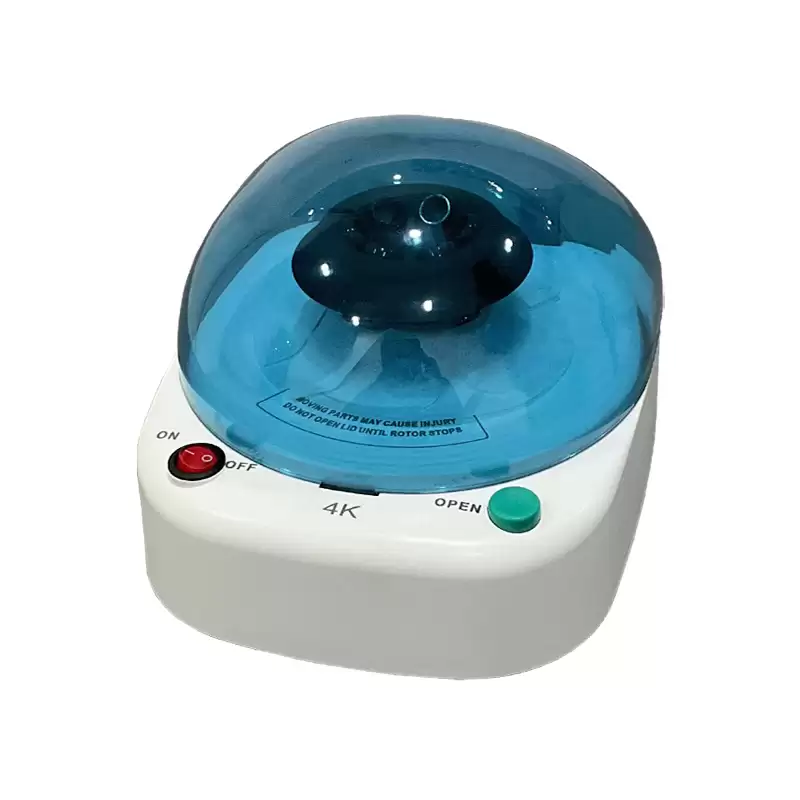
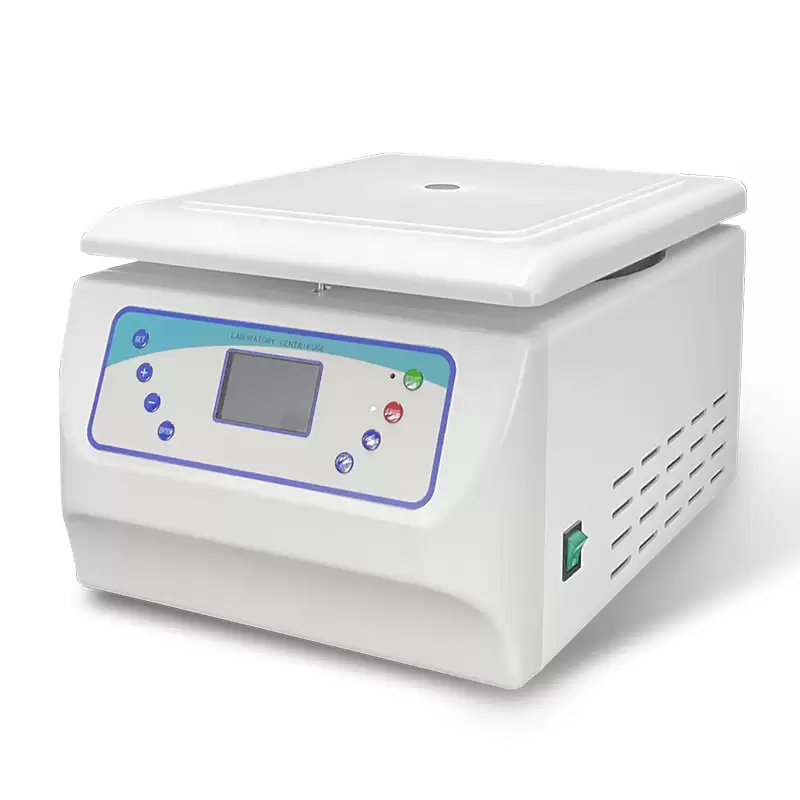
Product Description
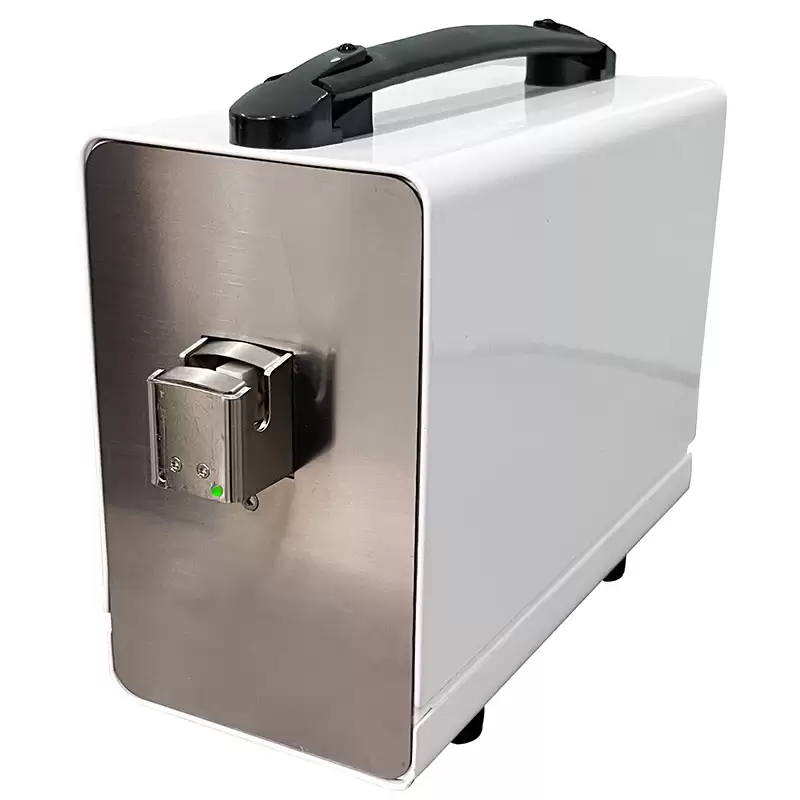
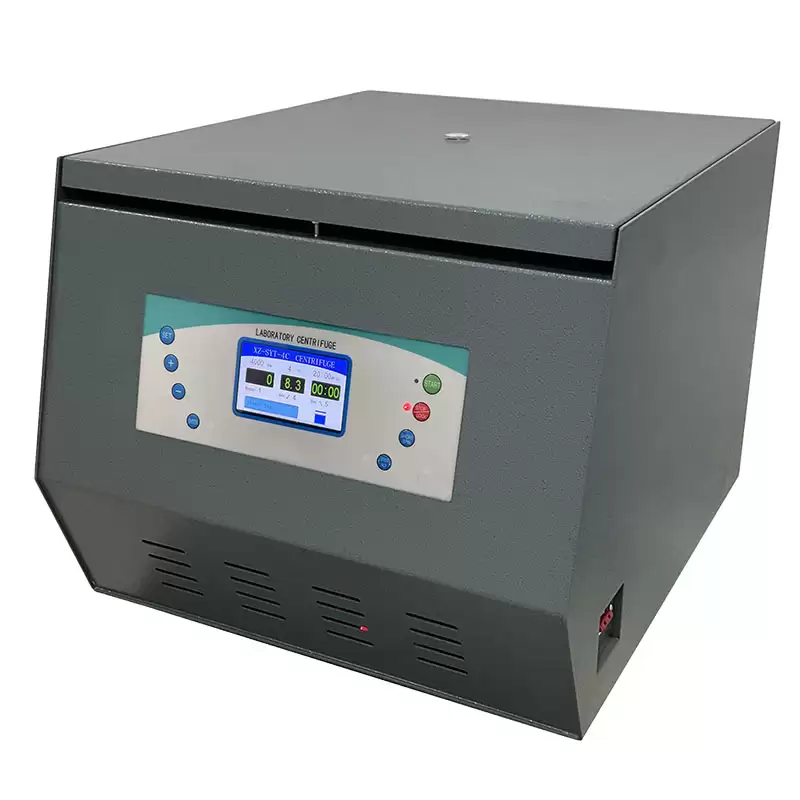
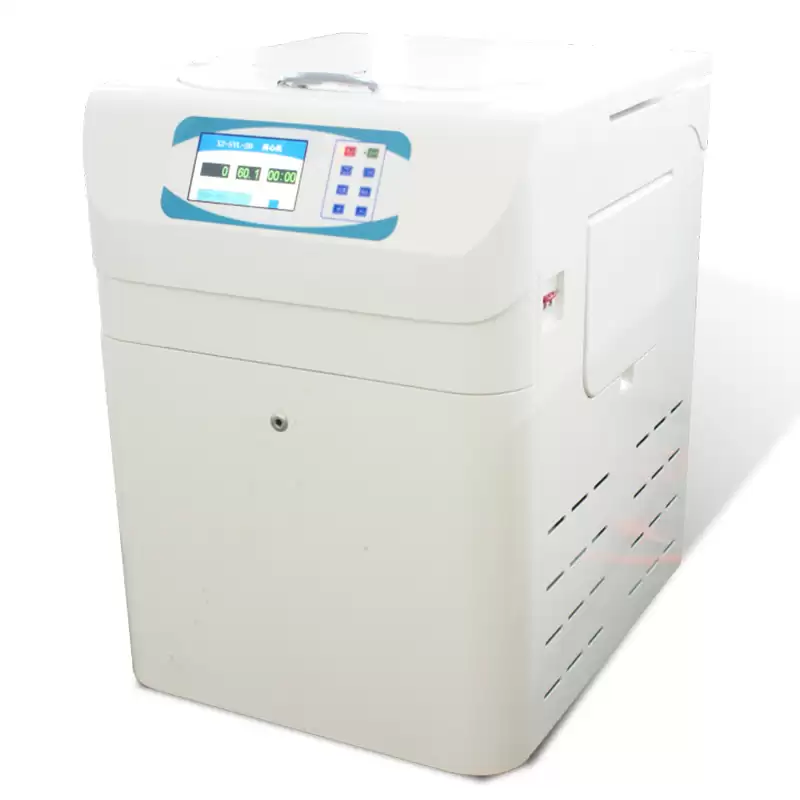
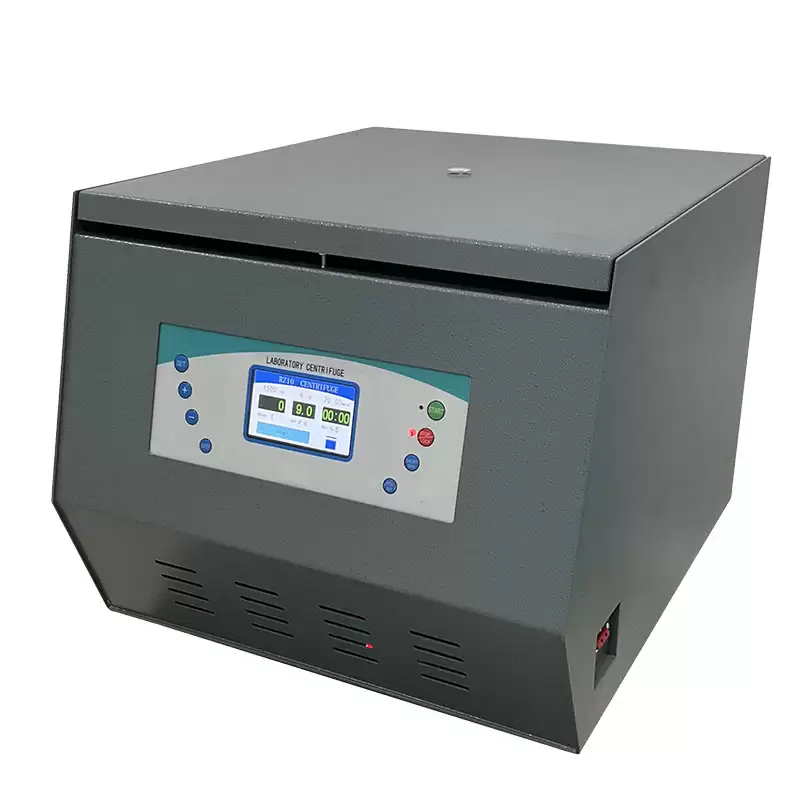
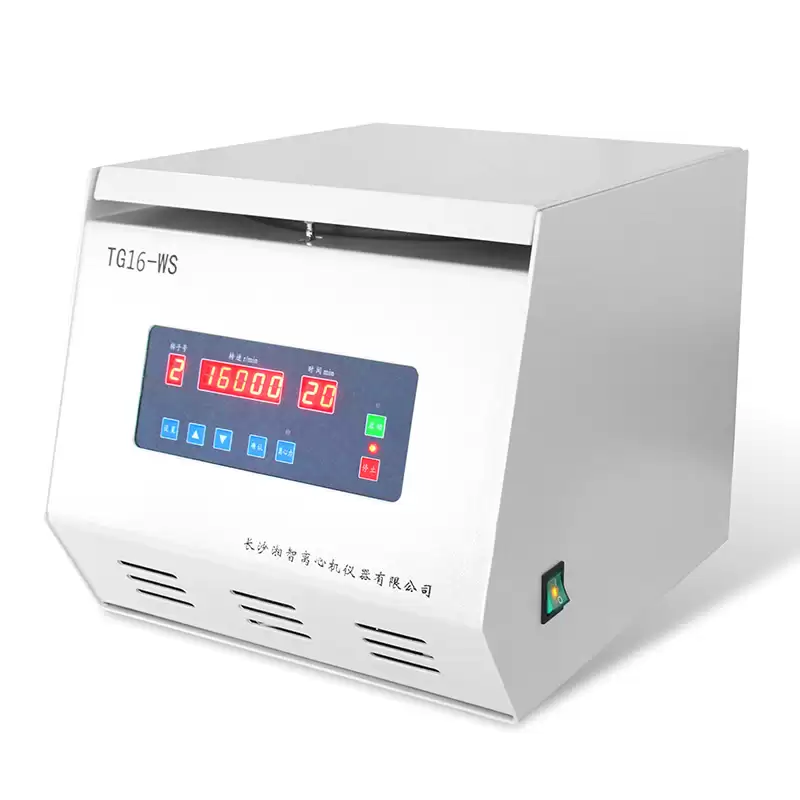
It is a compact bench-top microliter centrifuge for medical and biological research, molecular diagnostics, biochemistry, immunology and cell technologies. It can be used for extracting RNA/DNA samples, separation of cell suspensions and other micro quantitative analyses.
AI Product Description
*The following content is generated by AI and is for reference only.
The TG16WS Benchtop High Speed Centrifuge is a versatile laboratory instrument designed for rapid separation of biological and chemical samples without the need for active cooling systems. Primarily utilized in medical diagnostics, clinical research, and educational settings, this device leverages high rotational speeds to generate significant relative centrifugal force (RCF). This force effectively separates components within liquid mixtures based on their density differences, making it indispensable for tasks such as isolating blood cells, clarifying serum or plasma, precipitating proteins, and separating cell cultures. Its non-refrigerated design makes it particularly suitable for applications where temperature stability is not critical or where ambient conditions suffice, offering a cost-effective and energy-efficient solution compared to refrigerated counterparts.
Operation of this equipment requires strict adherence to safety protocols to ensure both user protection and sample integrity. A fundamental rule is the mandatory use of balanced tubes; even minor weight discrepancies between opposing rotor positions can cause severe vibration, potentially damaging the motor or causing mechanical failure. Users must always secure the lid before initiating operation and ensure that the rotor is properly seated and locked. Additionally, the maximum speed and capacity limits specified by the manufacturer must never be exceeded, as overloading can lead to catastrophic rotor failure. Regular maintenance is essential, including periodic inspection of the rotor for corrosion or cracks and cleaning the chamber to prevent residue buildup. Although the unit lacks active cooling, users should allow sufficient time between runs to prevent heat accumulation from friction, which could affect thermolabile samples. Proper ventilation around the device is also recommended to dissipate operational heat. By following these guidelines, laboratories can maximize the lifespan of the centrifuge while achieving reliable, reproducible results for a wide array of routine separation procedures.





 (All Rights Reserved)