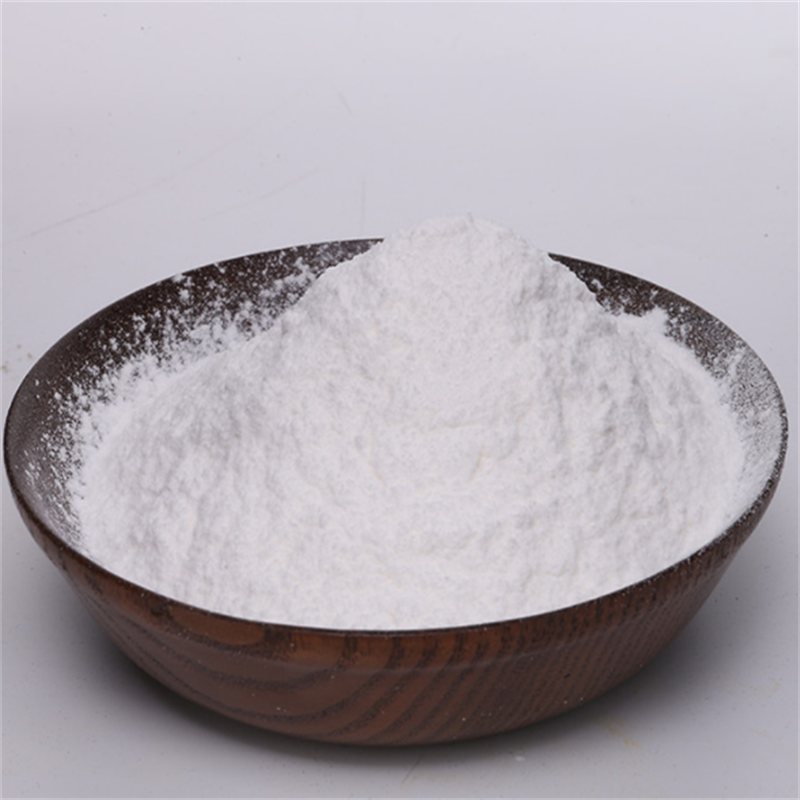
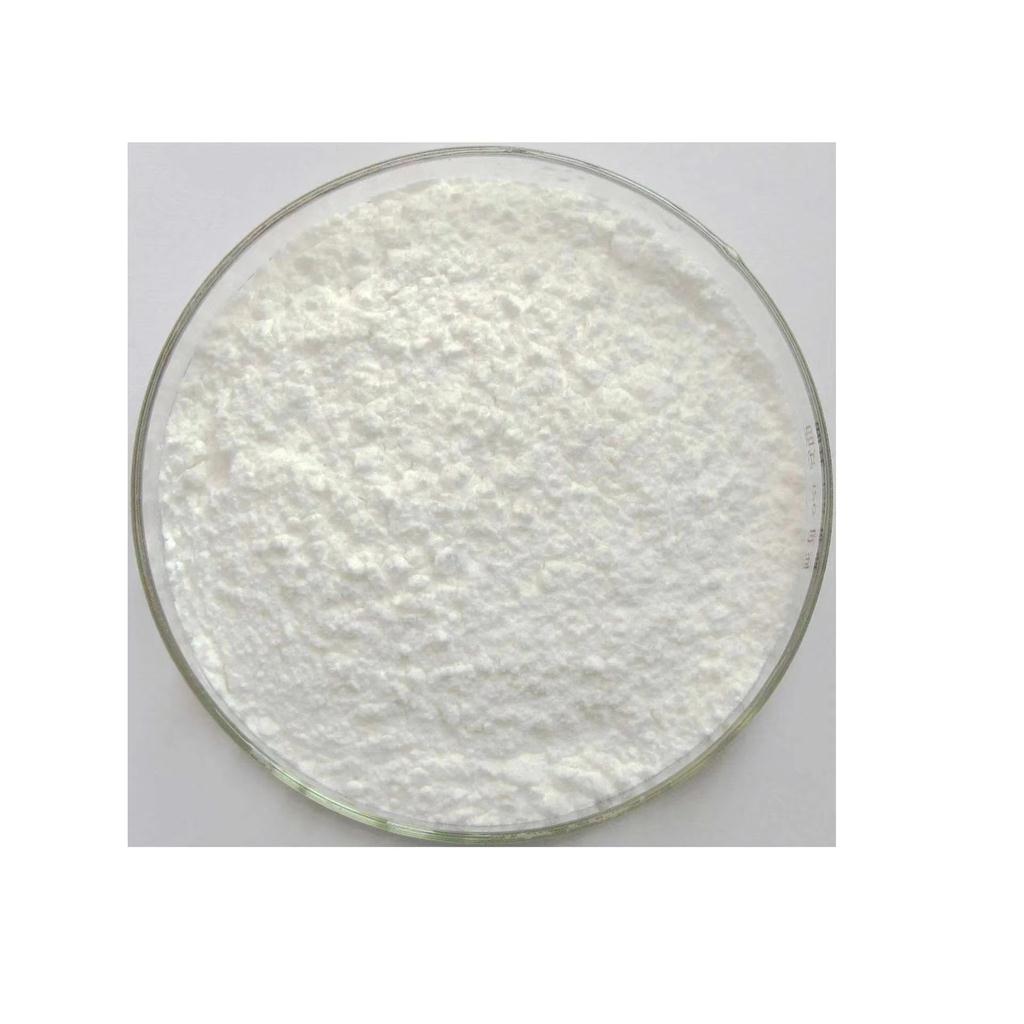
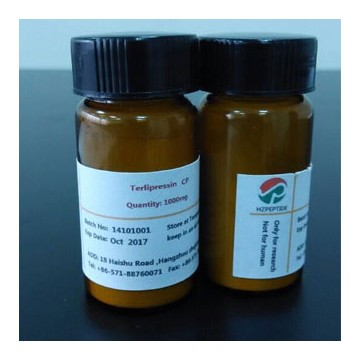
Full Name: Terlipressin Acetate 醋酸特利加压素
Cas No.: 52232-67-4
Sequence: Gly-Gly-Gly-c(Cys-Tyr-Phe-Gln-Asn-Cys)-Peo-Lys-Gly-NH2 Acetate Salt
Purity: ≥98.0%
Single Impurity:≤0.50%
Storage Temp: 2 ~ 8°C
Packing Size: 1g/bottle, 10g/bottle, 50g/bottle or at customer requirement
*The following content is generated by AI and is for reference only.
Terlipressin Acetate is a synthetic analog of vasopressin, widely utilized in clinical settings for the management of severe bleeding associated with esophageal varices. Its chemical composition is defined by the molecular formula C46H67N15O12S2·C2H4O2, reflecting its structure as a tripeptide derivative linked to an acetate counterion. The substance is uniquely identified by the CAS Registry Number 83093-33-0. Unlike native vasopressin, which has a very short half-life requiring continuous infusion, Terlipressin Acetate possesses a significantly longer duration of action due to its metabolic stability. Once administered intravenously, it undergoes enzymatic conversion into lysine-vasopressin, the active moiety that exerts potent vasoconstrictive effects on splanchnic circulation. This mechanism effectively reduces portal venous pressure, thereby controlling hemorrhage from ruptured varices without causing excessive systemic hypertension.
Beyond acute variceal bleeding, this pharmaceutical agent finds utility in hepatorenal syndrome type 1, where it helps improve renal function and urine output by enhancing effective arterial blood volume. It may also be employed diagnostically to assess hepatic hemodynamics or therapeutically in certain cases of spontaneous bacterial peritonitis when combined with antibiotics. The drug is typically supplied as a lyophilized powder containing terlipressin and acetic acid, requiring reconstitution with sterile water before administration. Clinical protocols emphasize careful monitoring of cardiovascular parameters, particularly heart rate and blood pressure, as adverse events can include abdominal cramping, ischemia, or arrhythmias in susceptible patients. While generally well-tolerated, contraindications exist for individuals with known hypersensitivity to the compound or those with severe coronary artery disease. Its role in critical care medicine remains pivotal, offering a life-saving intervention for complications arising from advanced liver cirrhosis. By bridging the gap between rapid onset and sustained efficacy, Terlipressin Acetate stands as a cornerstone therapy in gastroenterology and hepatology departments worldwide, saving countless lives through precise physiological modulation during medical emergencies.





 (All Rights Reserved)