Product Description
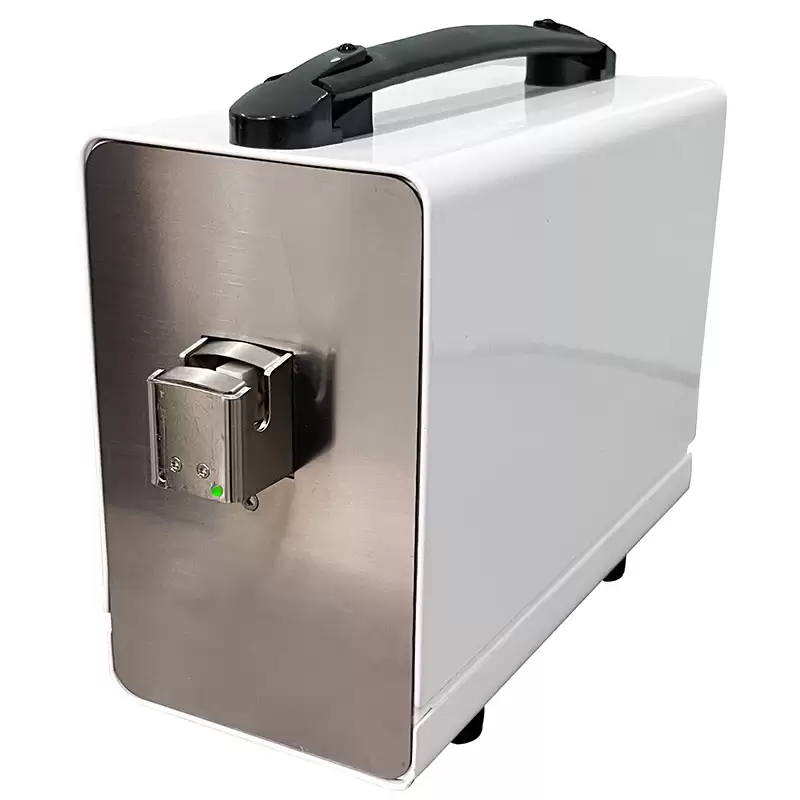
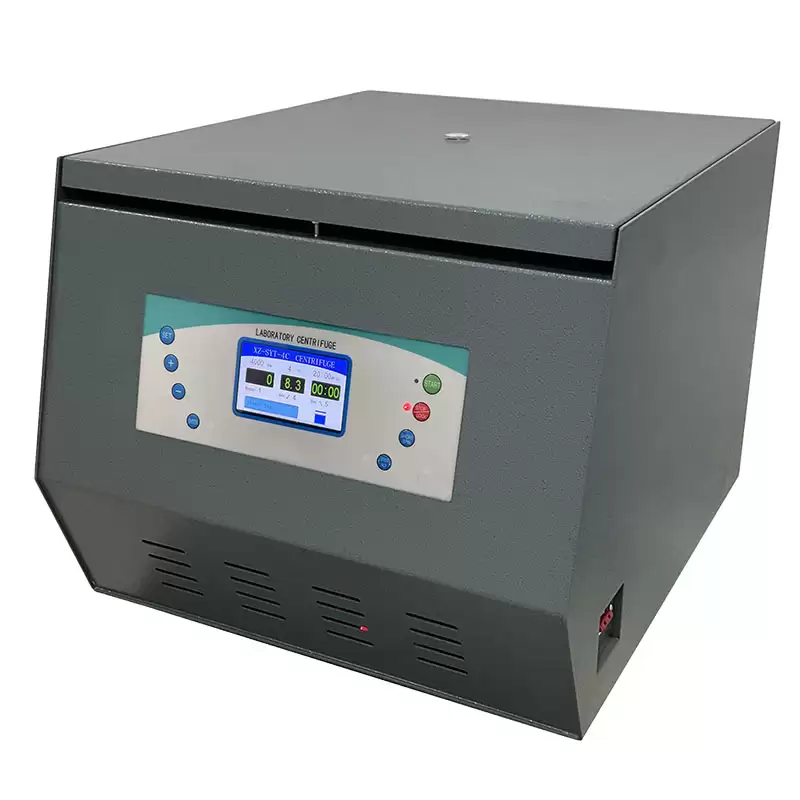
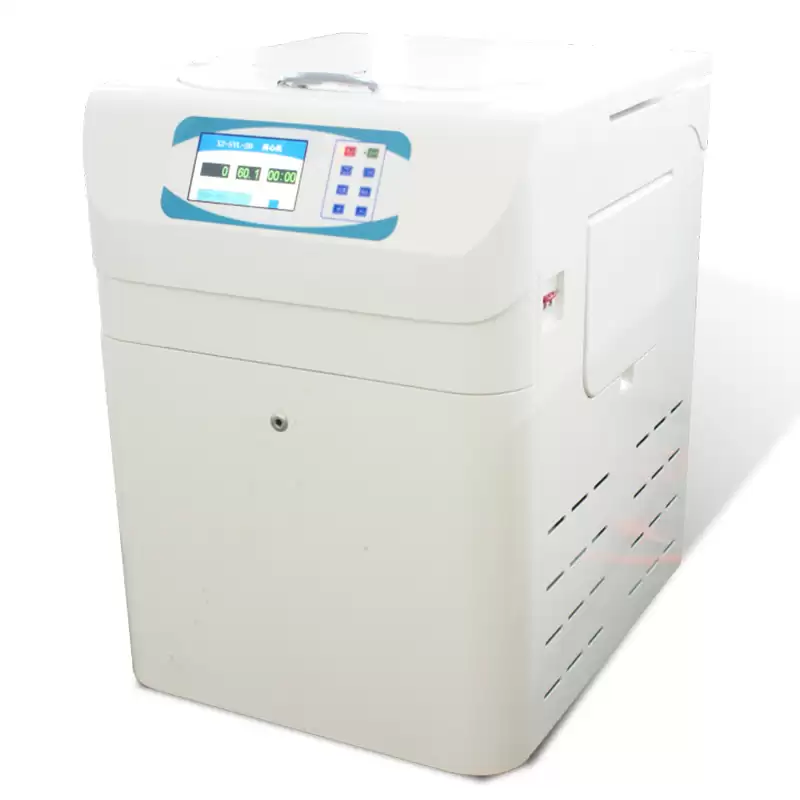
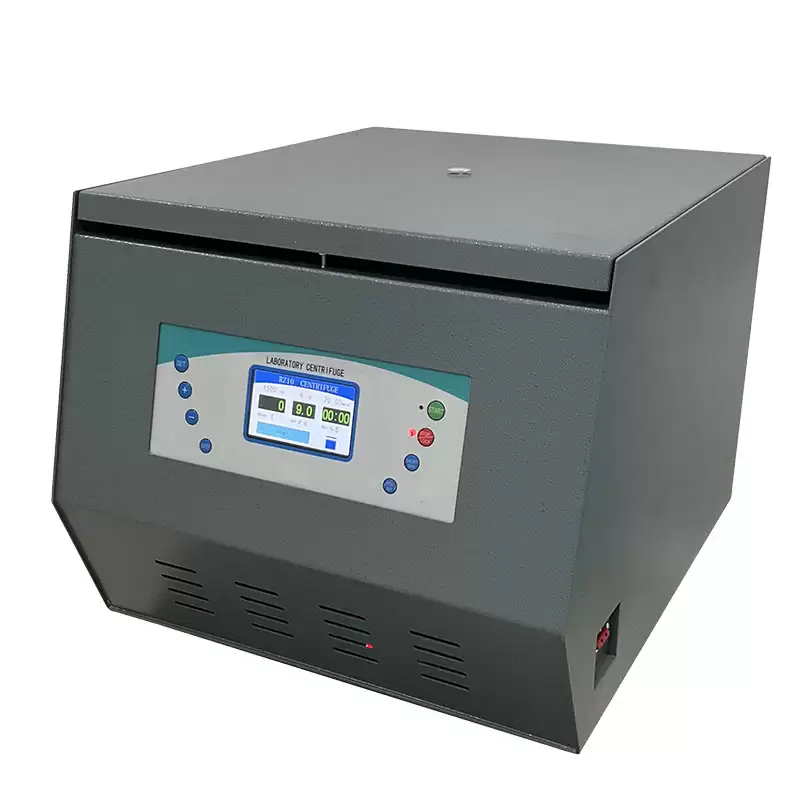
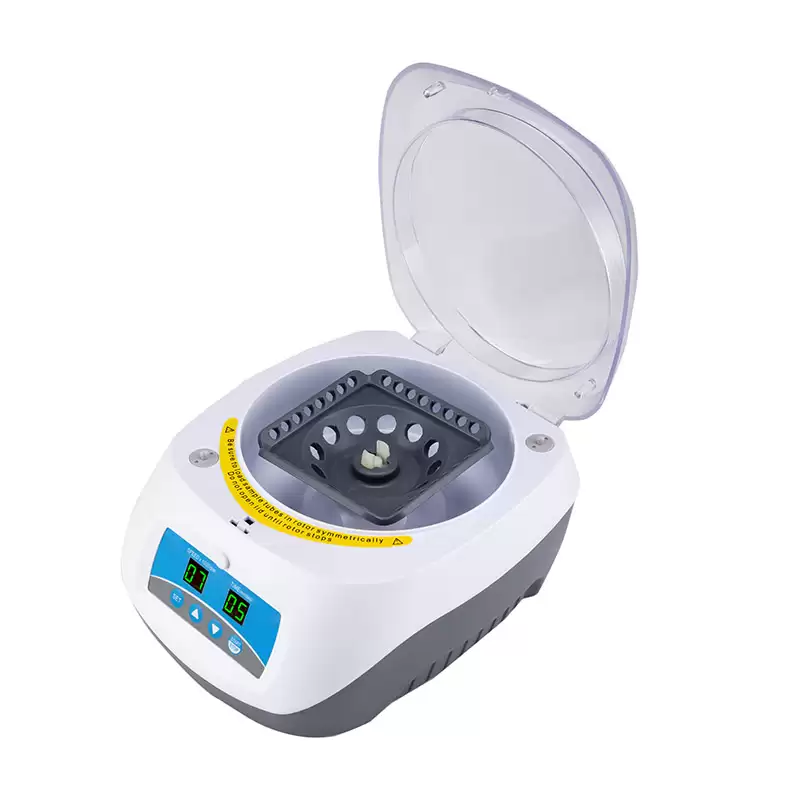
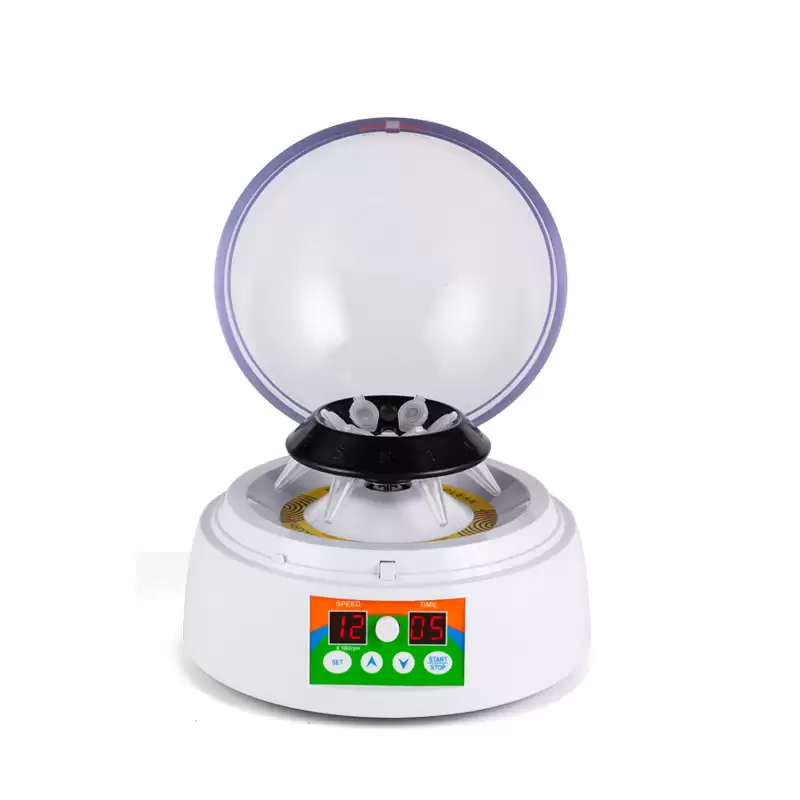
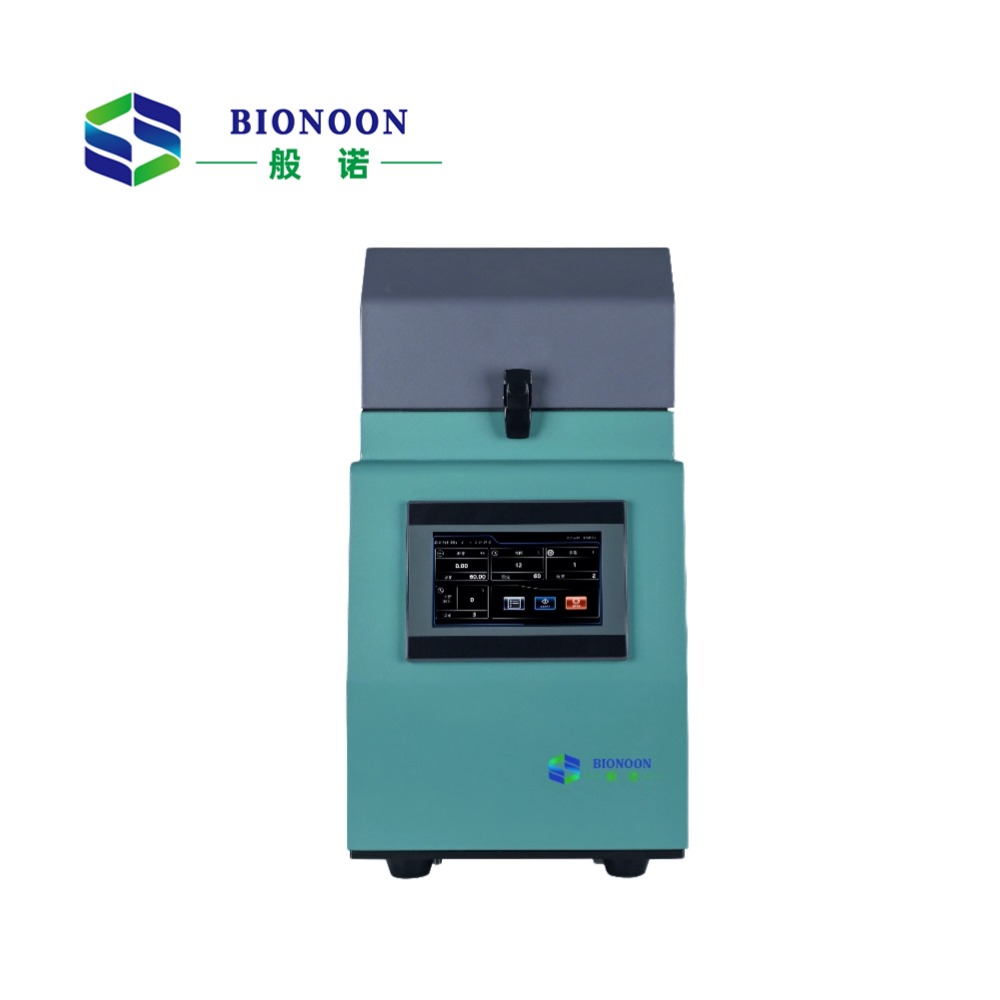
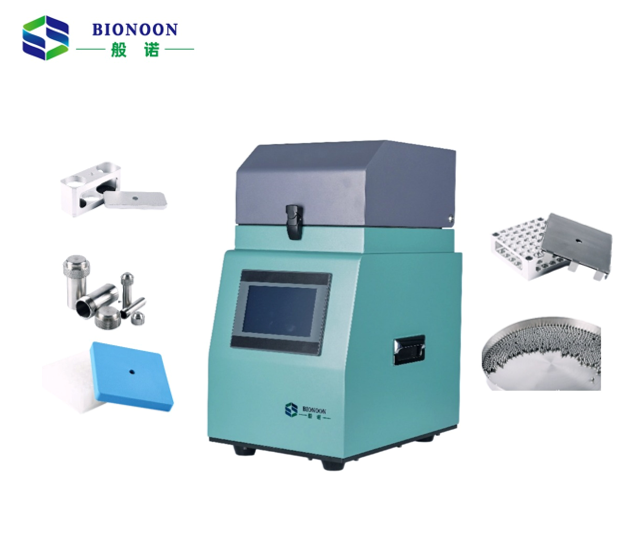
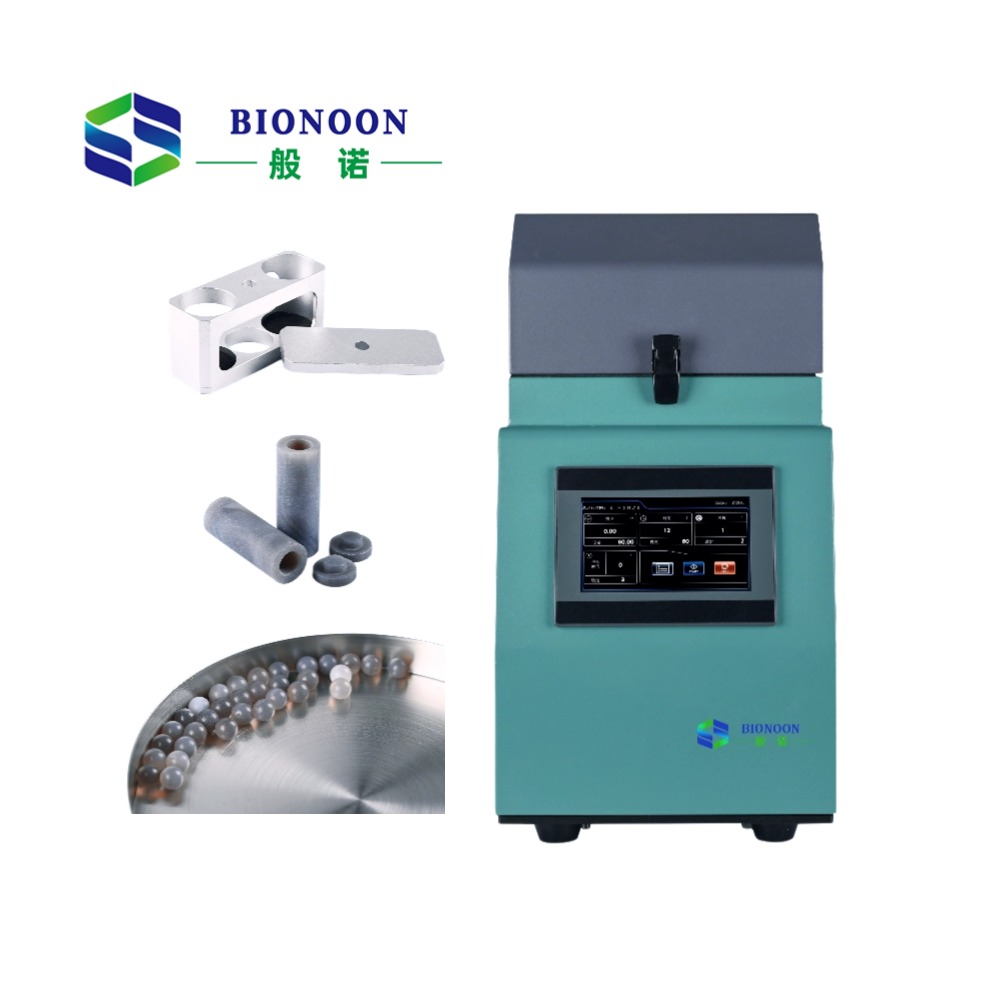
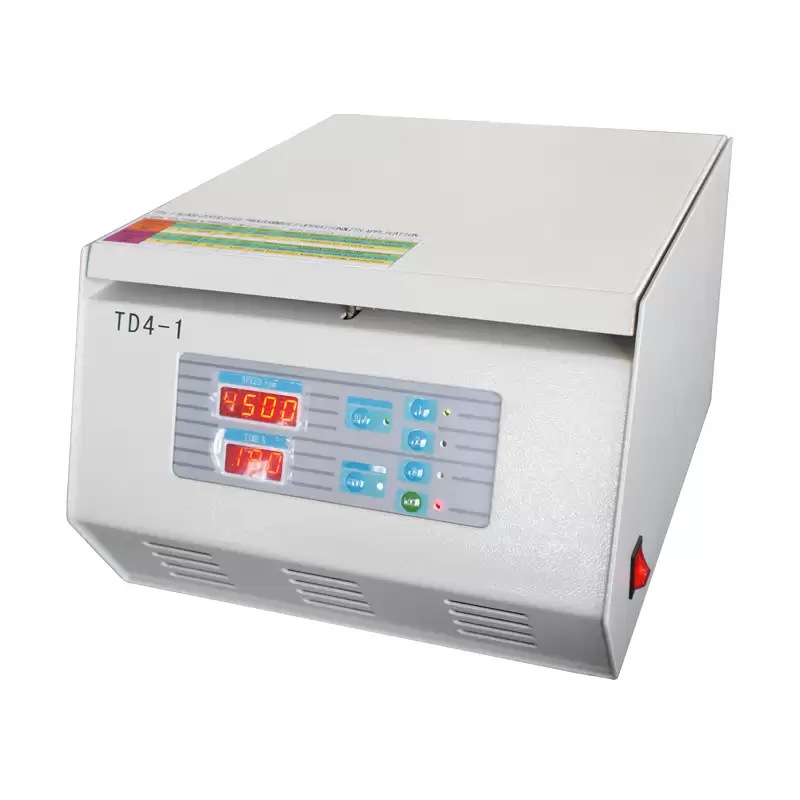
1. Microprocessor control, digital display, directly driven by a brushless motor, programmed timer.
2. Within 3 minutes, time will be set, increased, displayed, and controlled to meet the standard requirements.
3. Automatic balance, low noise.
AI Product Description
*The following content is generated by AI and is for reference only.
The TD4-1 Programmed Automatic Cell Washing Centrifuge is a specialized laboratory instrument designed to automate the washing and separation of biological cells, red blood cells, or other particulate samples suspended in liquid media. Its primary function is to replace manual washing steps, which are often time-consuming and prone to human error, with a precise, reproducible automated process. The device operates by spinning samples at controlled speeds to pellet cellular material while simultaneously aspirating the supernatant fluid. It then dispenses a specific volume of washing buffer to resuspend the pellet, repeating this cycle multiple times as programmed by the user. This ensures high purity of the final cell sample, which is critical for downstream applications such as flow cytometry, immunophenotyping, DNA extraction, and transfusion medicine protocols.
Key operational features include programmable parameters for centrifugation speed, duration, and wash cycles, allowing users to customize protocols for diverse cell types ranging from fragile lymphocytes to robust erythrocytes. The machine typically incorporates an intelligent aspiration system that minimizes cell loss during supernatant removal without disturbing the delicate cell pellet. Safety mechanisms are integrated to prevent operation when the lid is open or if imbalance is detected, ensuring operator safety and equipment longevity.
Users must adhere to several important precautions. First, all tubes must be perfectly balanced before insertion to prevent mechanical vibration damage. Second, strict adherence to biohazard protocols is required when handling infectious samples; waste reservoirs should be emptied and disinfected regularly. Third, the aspiration tips must be cleaned frequently to avoid cross-contamination between samples. Finally, regular calibration of the rotor speed and volume dispensing accuracy is essential to maintain data integrity. By automating these repetitive tasks, the unit significantly enhances laboratory efficiency, reduces reagent consumption, and improves the consistency of experimental results across large-scale studies.





 (All Rights Reserved)