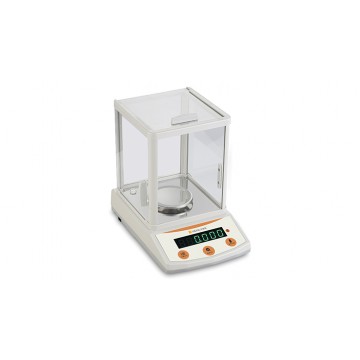
Characteristic
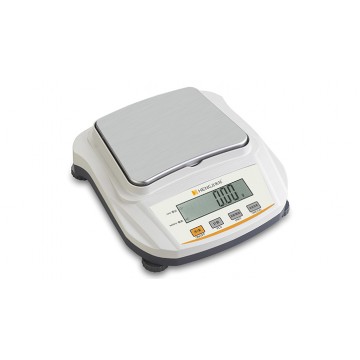
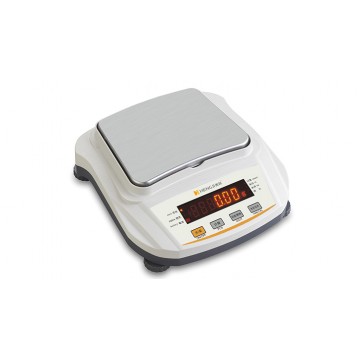
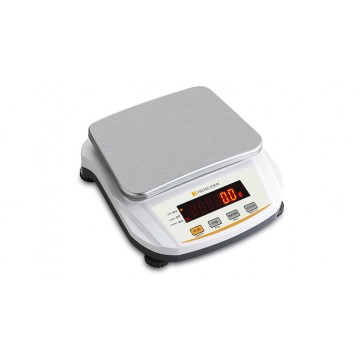
*High precision loadcell.
*Aluminum alloy die cast base and mains.
*Stainless steel pan.
*LED display.
*Full capacity subtraction.
*Simple 3 keys panel for easy operation.
*Stabilization time 1.5 seconds.
*Overload protection.
*Below balance weighing facility.
*Checking weighing, piece counting function.
Specification
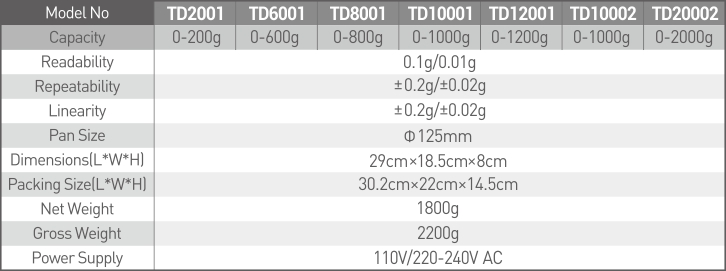
*The following content is generated by AI and is for reference only.
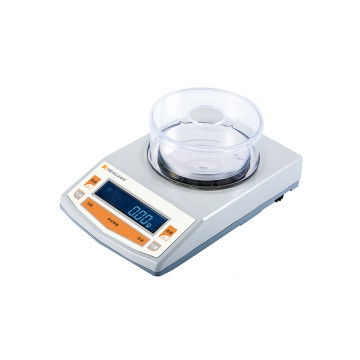
The product designation "TD 0.01g[Round Pan]" does not correspond to a specific chemical substance with a molecular formula or CAS number, as it appears to be a logistical identifier for a laboratory weighing container rather than a reagent itself. In scientific supply chains, such codes typically denote the format of a sample presentation: "TD" likely refers to the manufacturer or a specific catalog series, "0.01g" indicates the nominal weight capacity or the quantity of a standard reference material included, and "[Round Pan]" specifies the physical geometry of the aluminum or stainless steel weighing dish used in analytical balances.
Consequently, no molecular formula or Chemical Abstracts Service (CAS) registry number exists for this item because it is an inert vessel designed for holding substances during analysis, not a chemical compound. These round pans are essential tools in gravimetric analysis, thermogravimetric analysis (TGA), and general laboratory preparation. Their primary function is to provide a stable, flat surface for precise mass measurements while minimizing sample loss due to static electricity or spillage. The "round" shape ensures uniform heat distribution when samples are heated within the pan, which is critical for accurate thermal decomposition studies.
These containers are manufactured from high-purity materials such as aluminum foil or stainless steel to prevent contamination of sensitive samples. They are compatible with a wide range of analytical instruments found in quality control labs, pharmaceutical research facilities, and academic institutions. When labeled with "0.01g," they may represent pre-weighed tare weights or be part of a standardized kit where the user adds exactly that amount of a reference standard. For researchers requiring actual chemical data, one must consult the specific reagent intended for placement inside the pan, as the pan itself remains chemically neutral. Proper handling involves using tweezers to avoid fingerprints affecting the balance reading. Ultimately, this item serves as a fundamental consumable in ensuring measurement integrity across various scientific disciplines, facilitating everything from moisture content determination to purity testing without introducing extraneous variables into the experimental setup.

![TD 0.01g[Round Pan]](https://eimg.pharmasources.com/img_Cphi_en/Product/2019_12/Mimg_1912300120201122.jpg)




 (All Rights Reserved)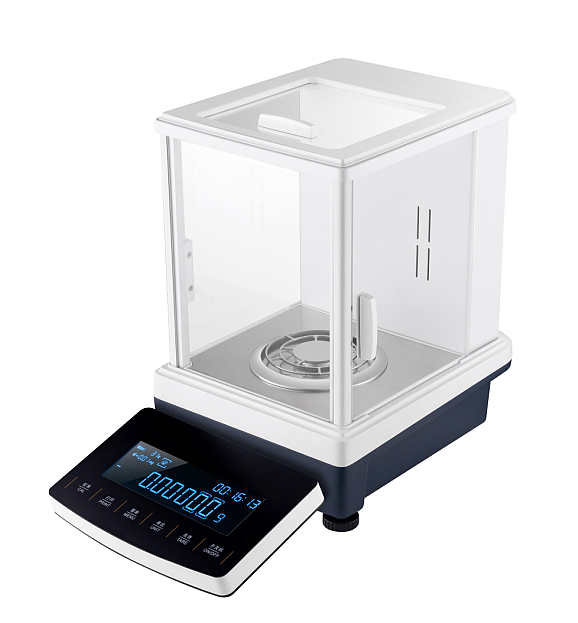
![TD-D 0.01g [Square Pan]](https://eimg.pharmasources.com/img_Cphi_en/Product/2019_12/Mimg_1912300117197629.jpg)
![TD-A 0.1g[Square Pan]](https://eimg.pharmasources.com/img_Cphi_en/Product/2019_12/Mimg_1912300121629064.jpg)
![Fmoc-Lys[Octa(OtBu)-Glu(AEEA-AEEA)-OtBu]-OH](https://eimg.pharmasources.com/image/20250613/FeHjUXzsLKi3QphwhrjEEPsJfBcpas7WsBxnCTKx.jpg)