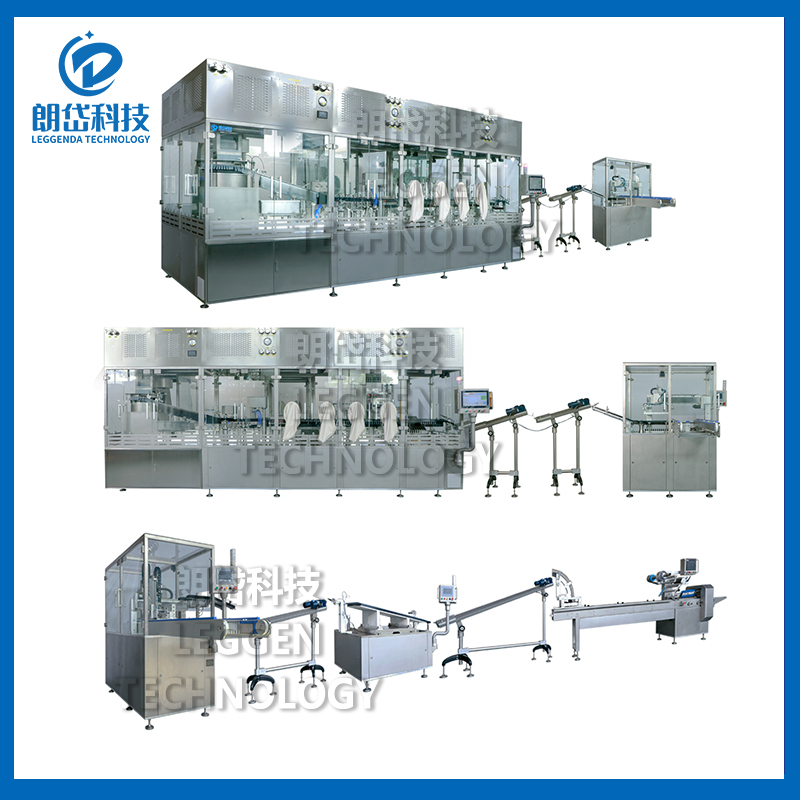
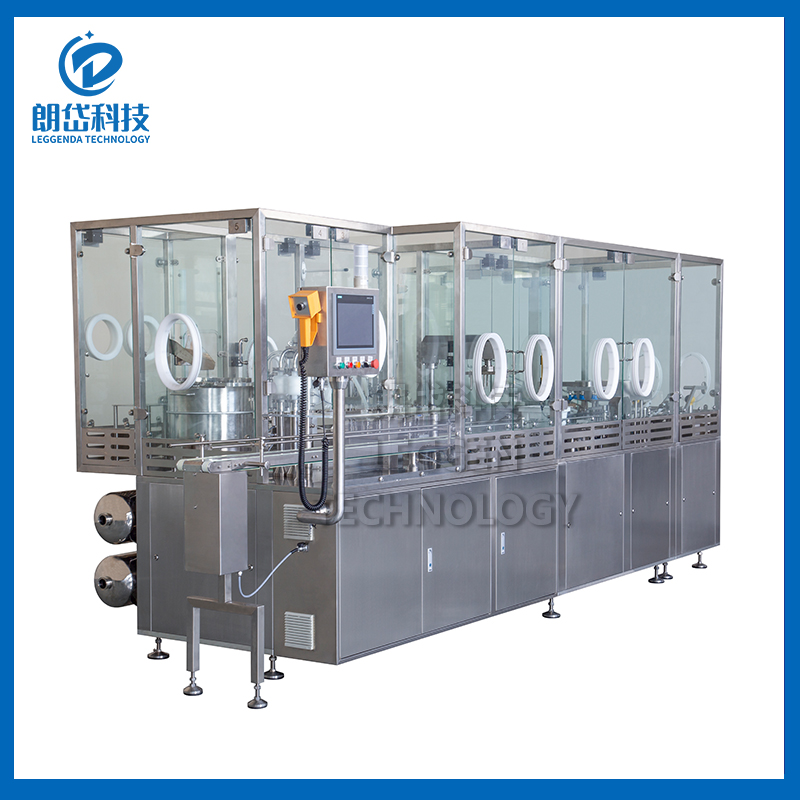
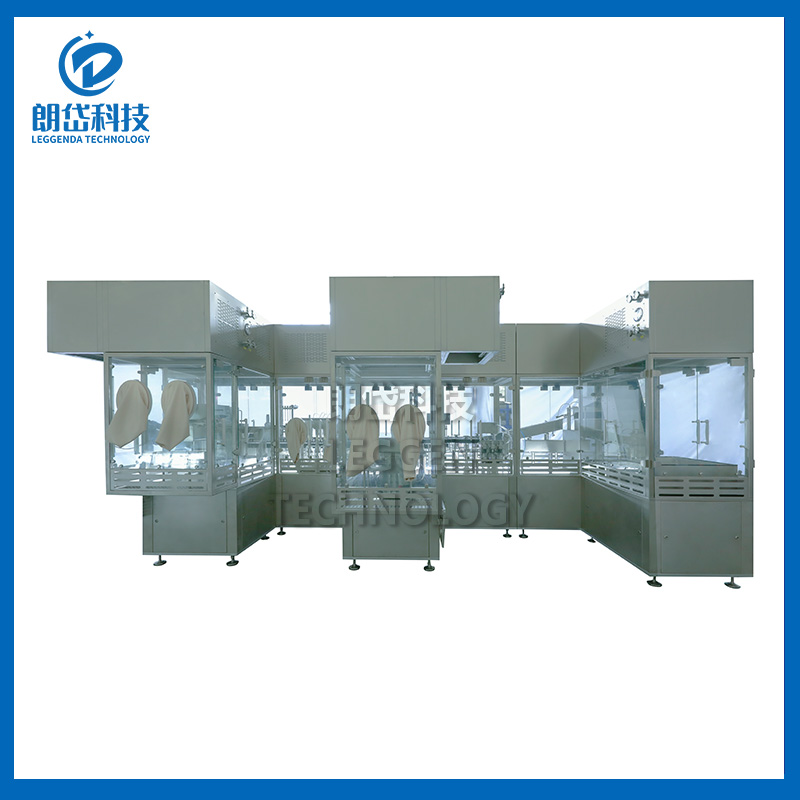
Product Description
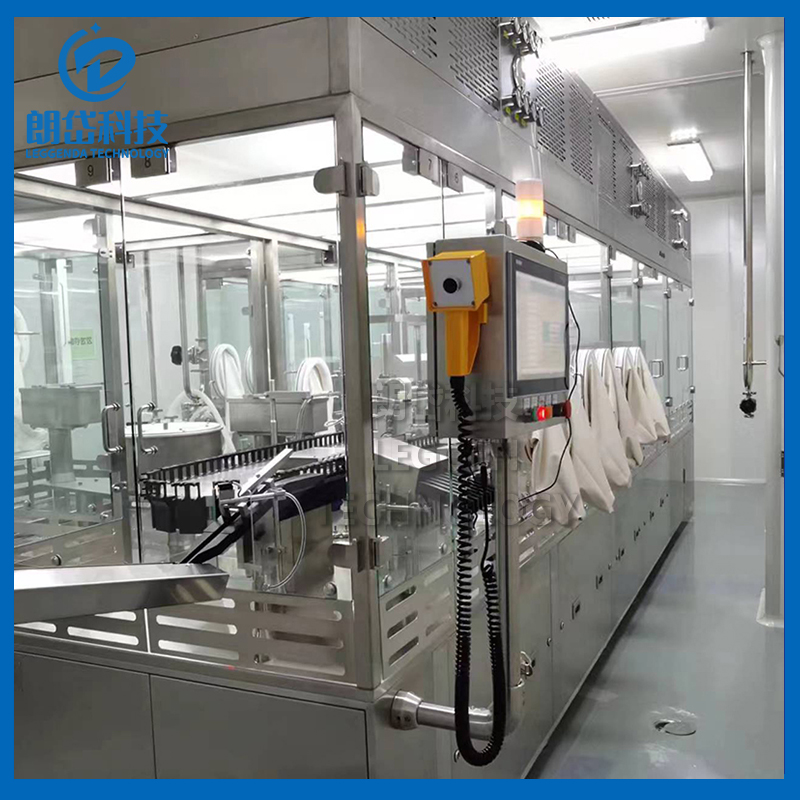
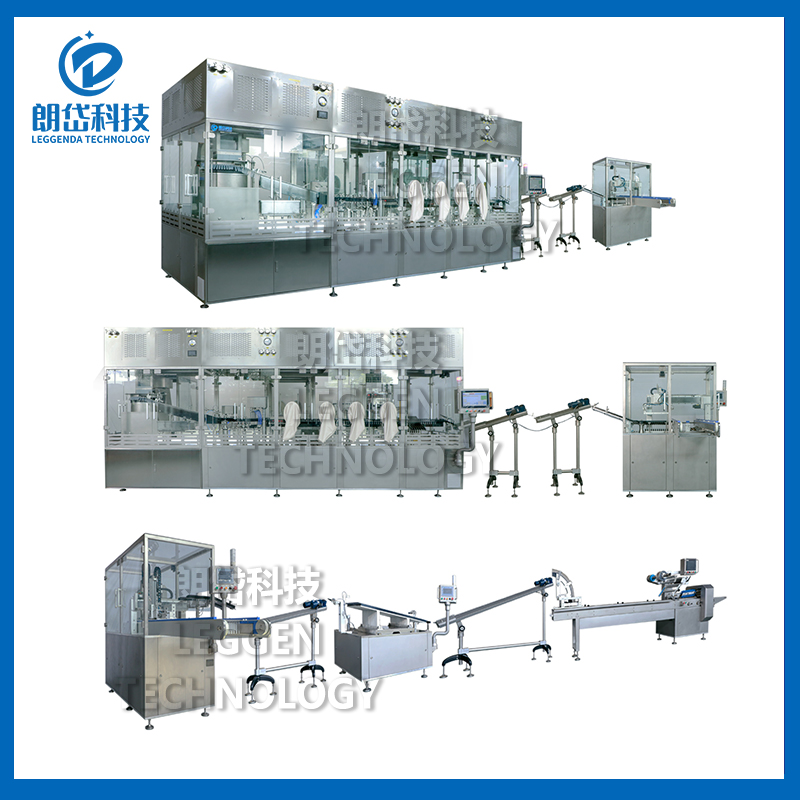
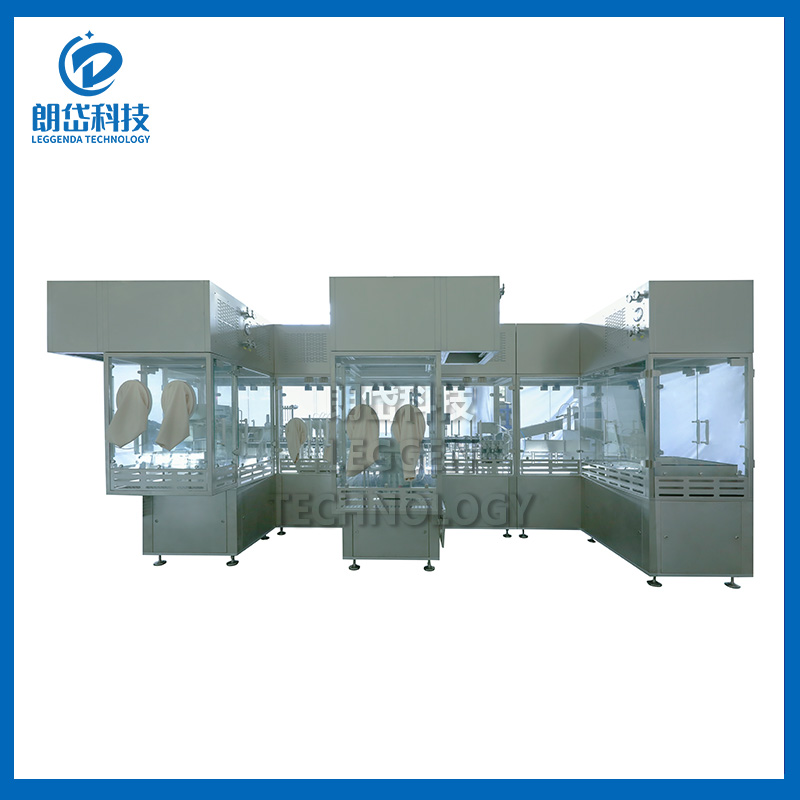
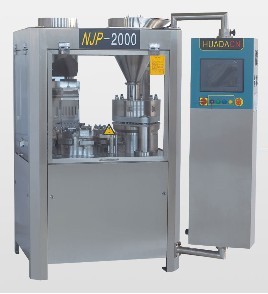
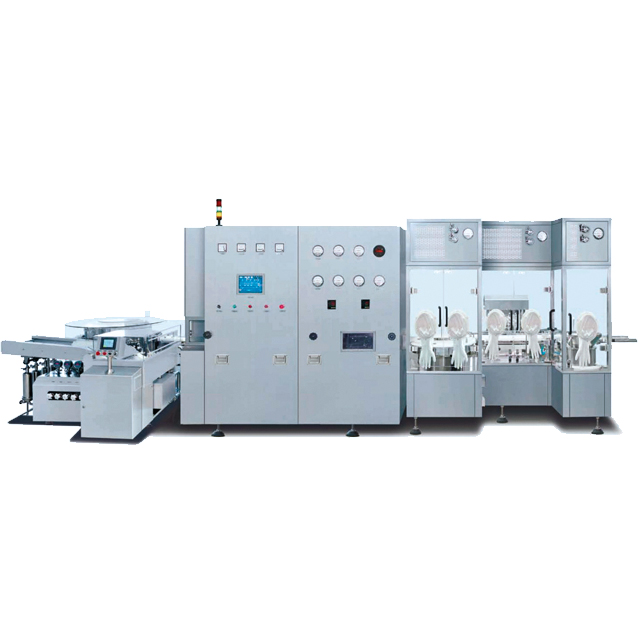
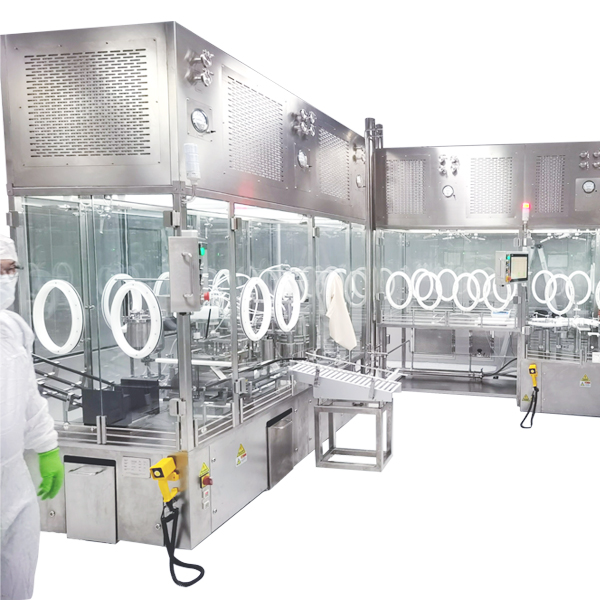
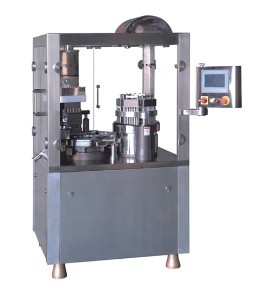
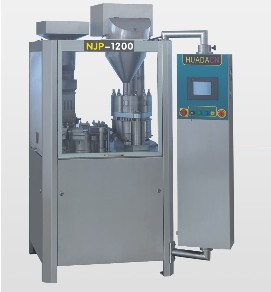
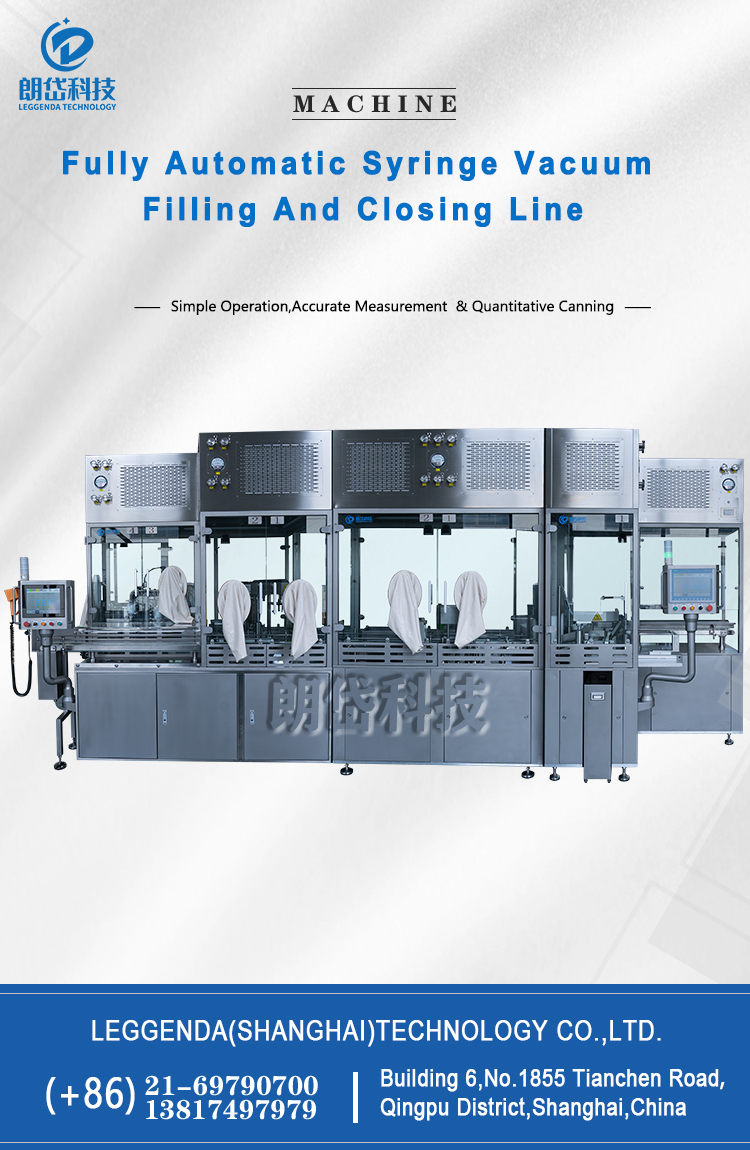
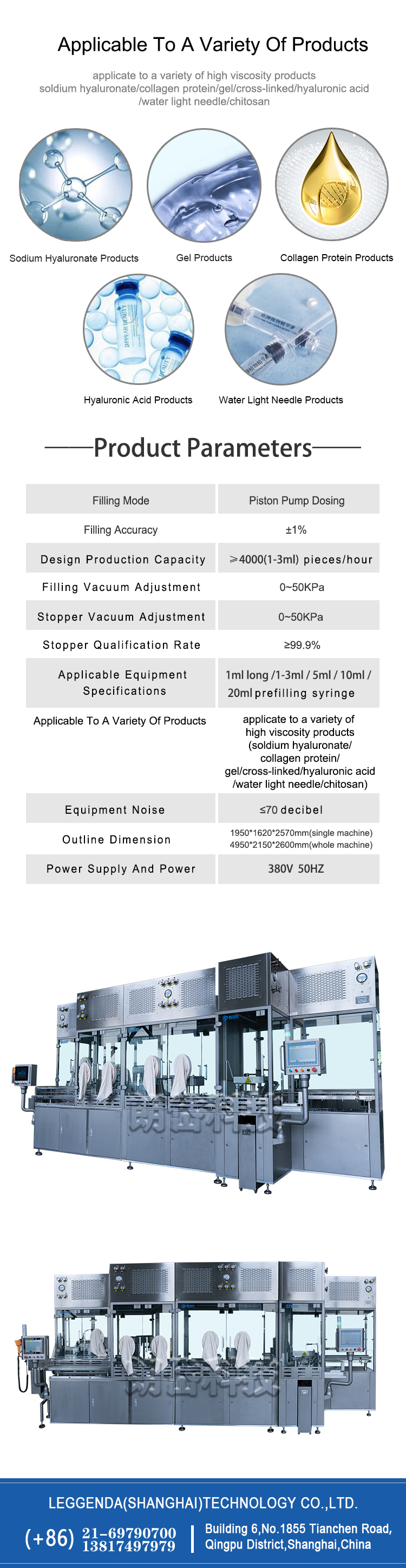
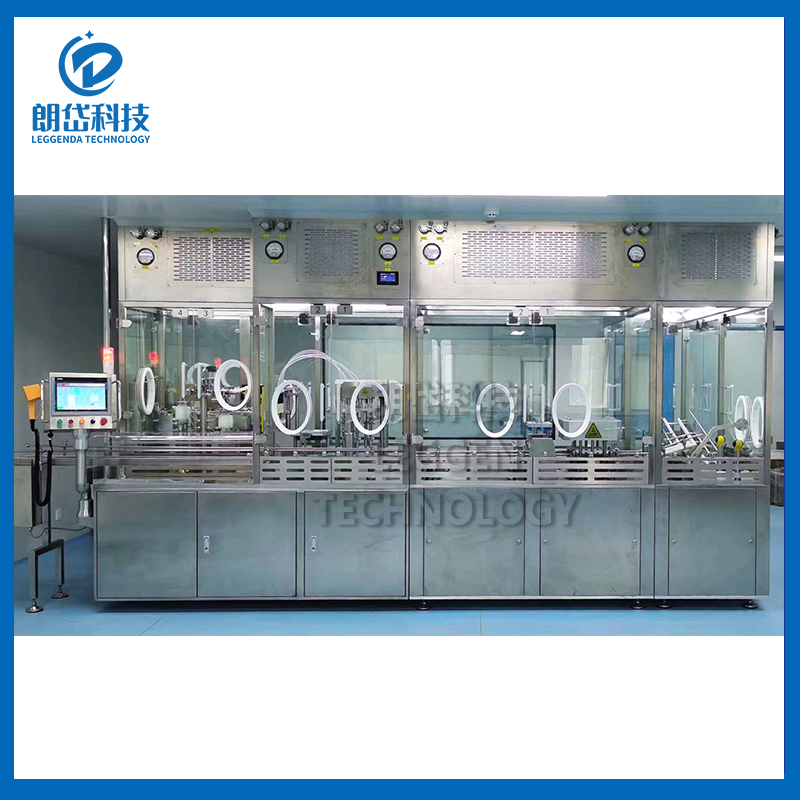
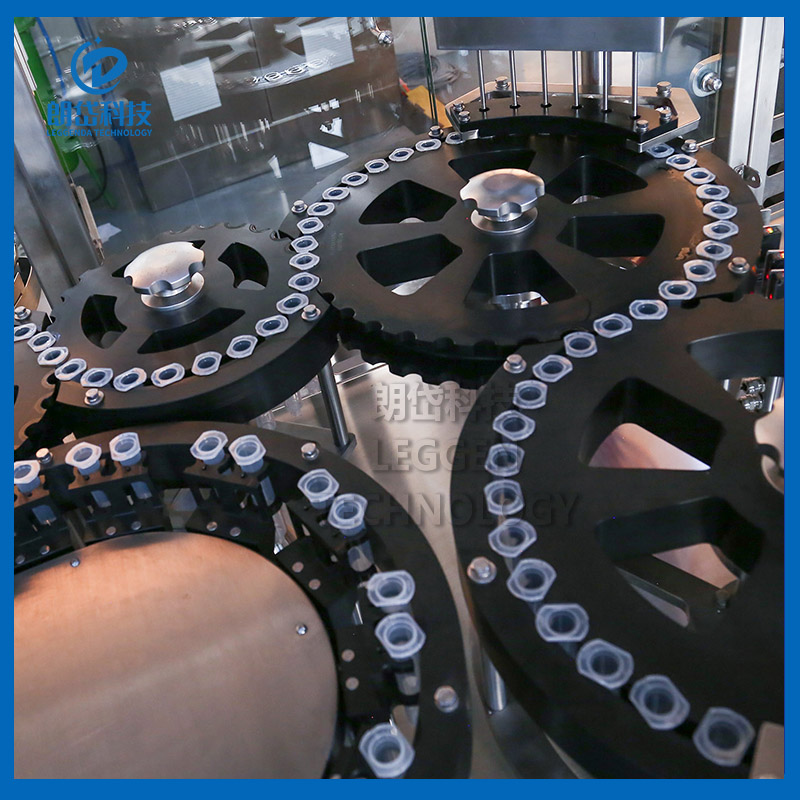
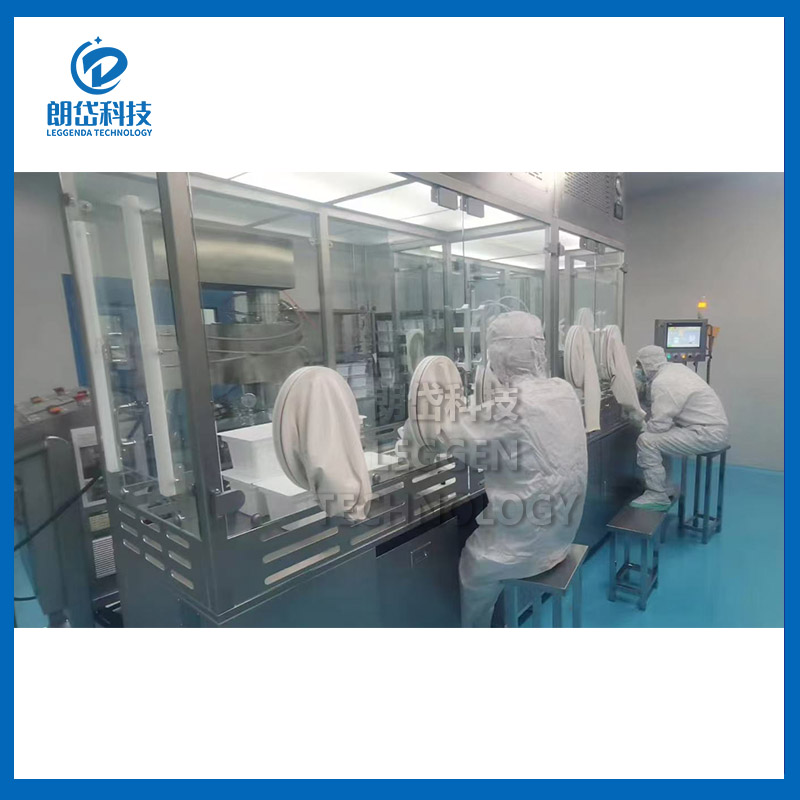
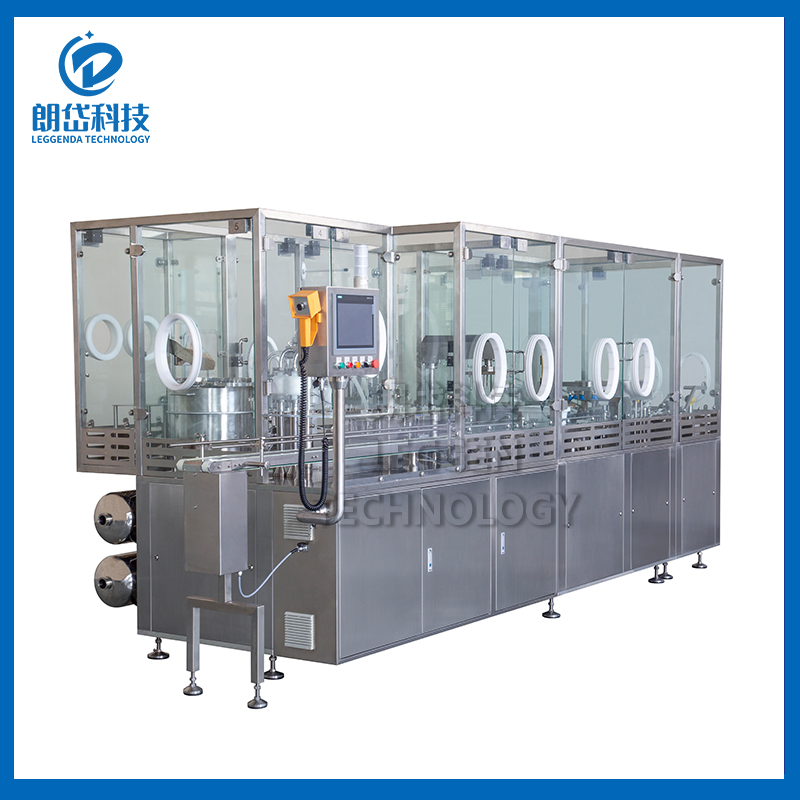
syringe filling machine is widely used,stable operation,reliable performance and reasonable design.And the equipment is easy to operate and has high filling accuracy.It is mainly used for filling quantitative high viscosity liquid in pharmaceutical,Aesthetic Medicine.It can be customized and adjusted according to customers' needs.

AI Product Description
*The following content is generated by AI and is for reference only.
The syringe filling machine is a critical piece of automated equipment designed for the precise dispensing of liquid medications, vaccines, biological fluids, and chemical reagents into sterile syringes. Widely utilized in pharmaceutical manufacturing, biotechnology research, and medical device assembly, this machinery ensures high-volume production with exceptional accuracy and repeatability. By automating the complex process of needle insertion, fluid aspiration, and plunger actuation, these systems significantly reduce human error, minimize cross-contamination risks, and enhance overall operational efficiency compared to manual filling methods.
Modern units typically feature advanced servo-driven mechanisms and touch-screen interfaces that allow operators to adjust parameters such as fill volume, speed, and stroke length instantly. Many models are equipped with stainless steel contact parts to meet strict hygiene standards and facilitate easy cleaning and sterilization. Some sophisticated versions integrate vision inspection systems to detect air bubbles, incorrect fill levels, or defective caps before packaging, ensuring only compliant products reach the market. The machines are often modular, allowing them to handle various syringe sizes ranging from small insulin doses to large-volume diagnostic samples without requiring extensive mechanical changes.
However, operating this equipment requires strict adherence to safety protocols. Personnel must be trained on lockout/tagout procedures during maintenance to prevent accidental activation. Regular calibration is essential to maintain dosing precision, as even minor deviations can compromise patient safety. Additionally, the system must be compatible with the specific viscosity and chemical properties of the product being filled; corrosive substances may require specialized tubing or seals. Operators should also ensure that all components are properly sanitized between batches to prevent microbial contamination. Proper ventilation and electrical grounding are mandatory to mitigate hazards associated with volatile solvents or static electricity. Ultimately, while these machines offer unparalleled productivity and quality control, their effectiveness relies heavily on rigorous maintenance schedules, operator expertise, and compliance with global regulatory standards like GMP and ISO certifications.





 (All Rights Reserved)