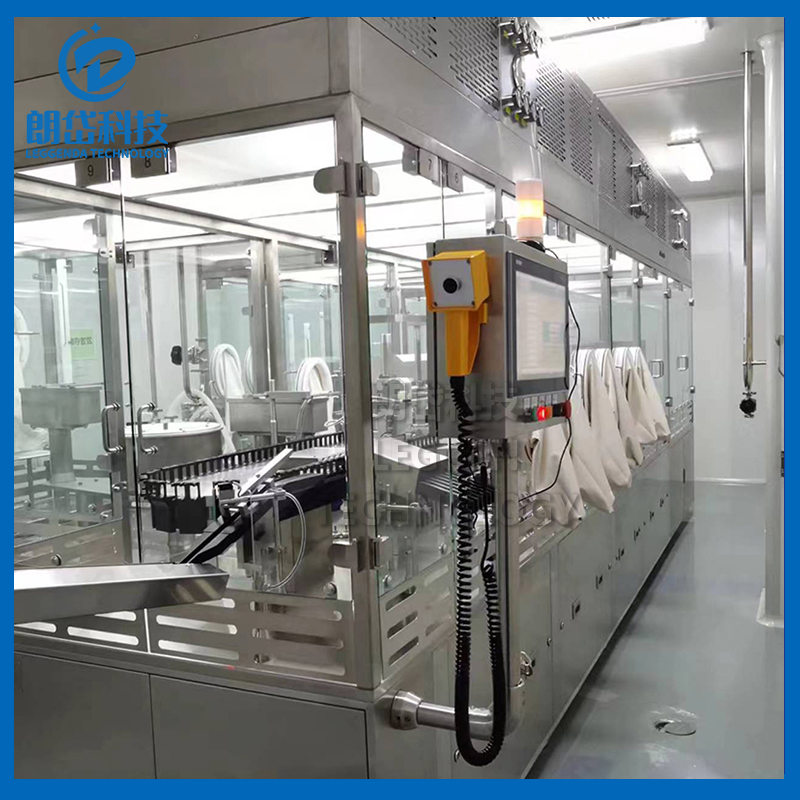
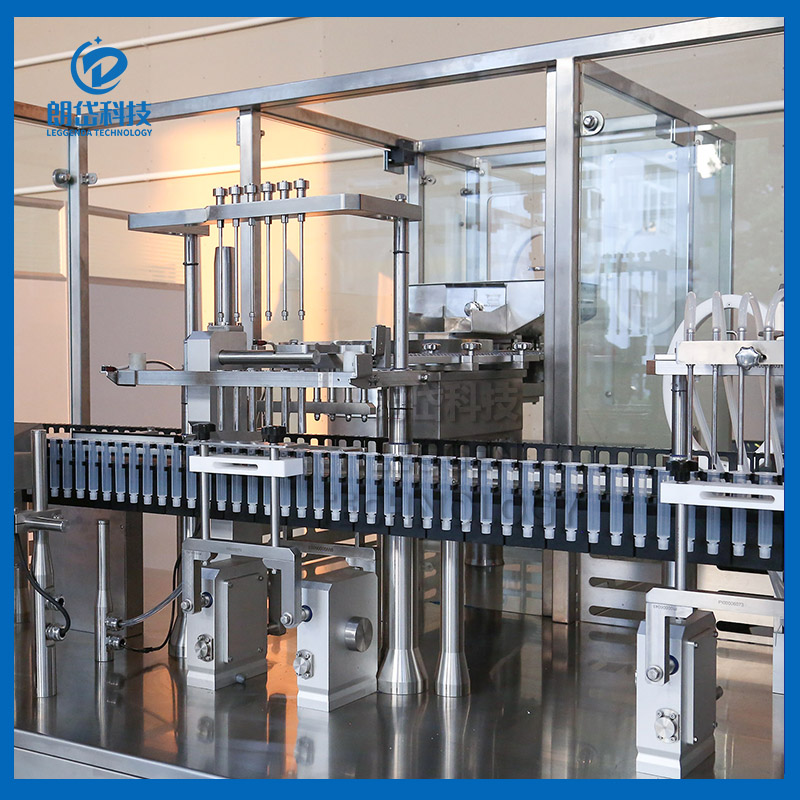
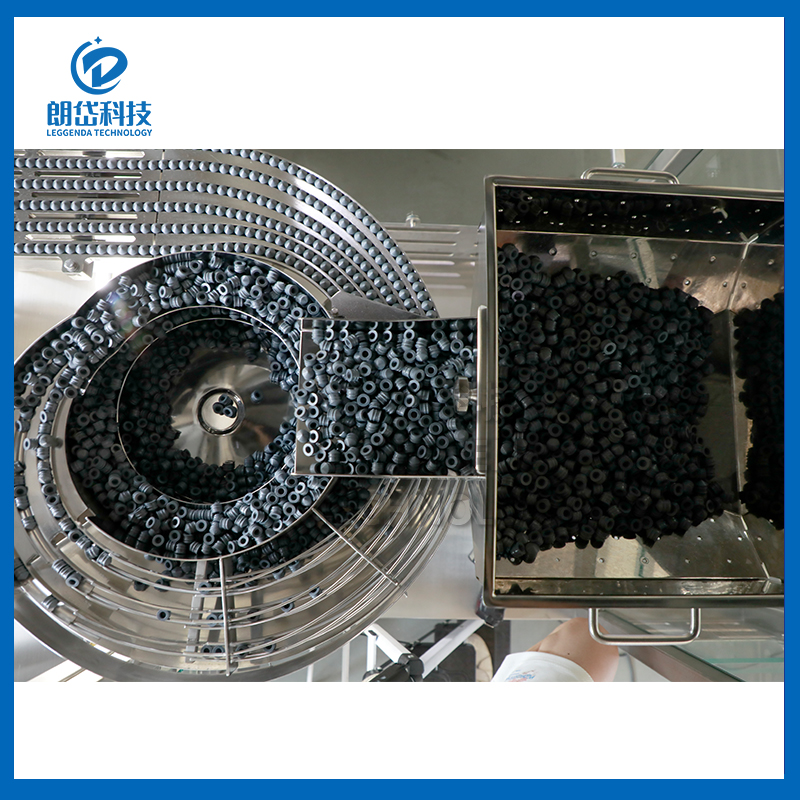
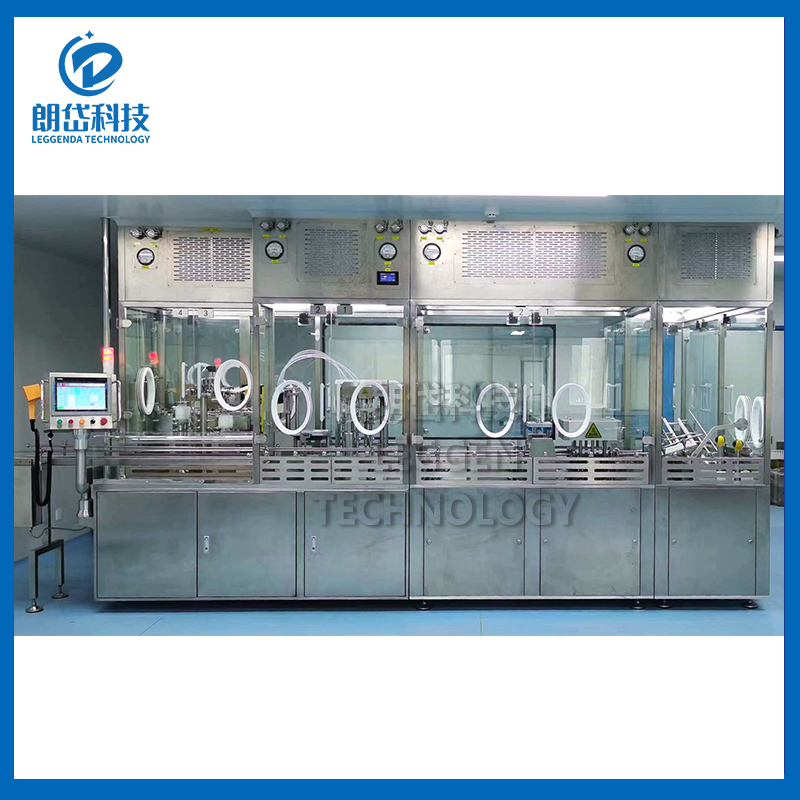
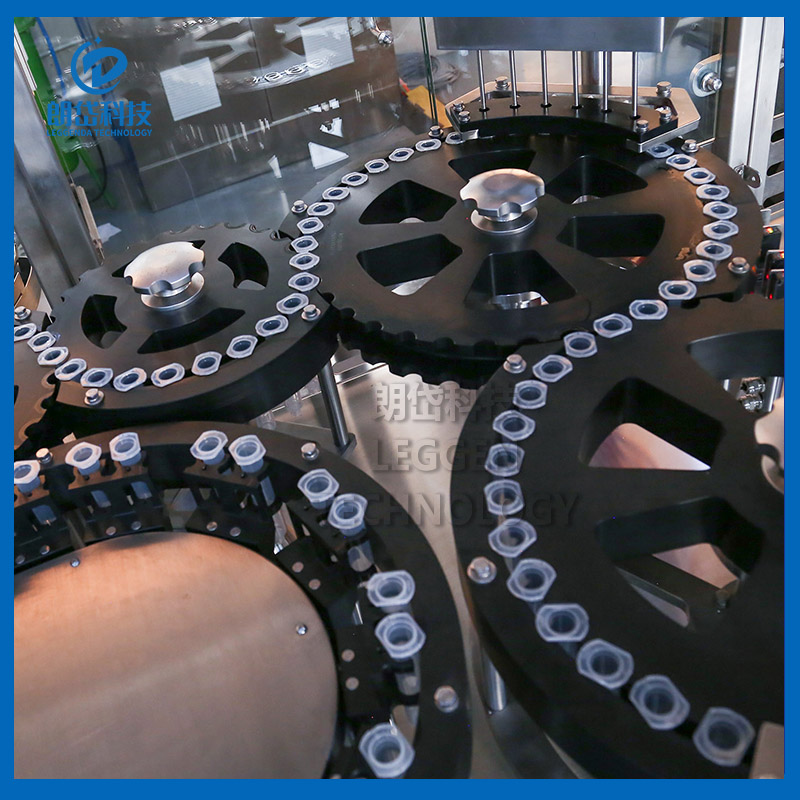
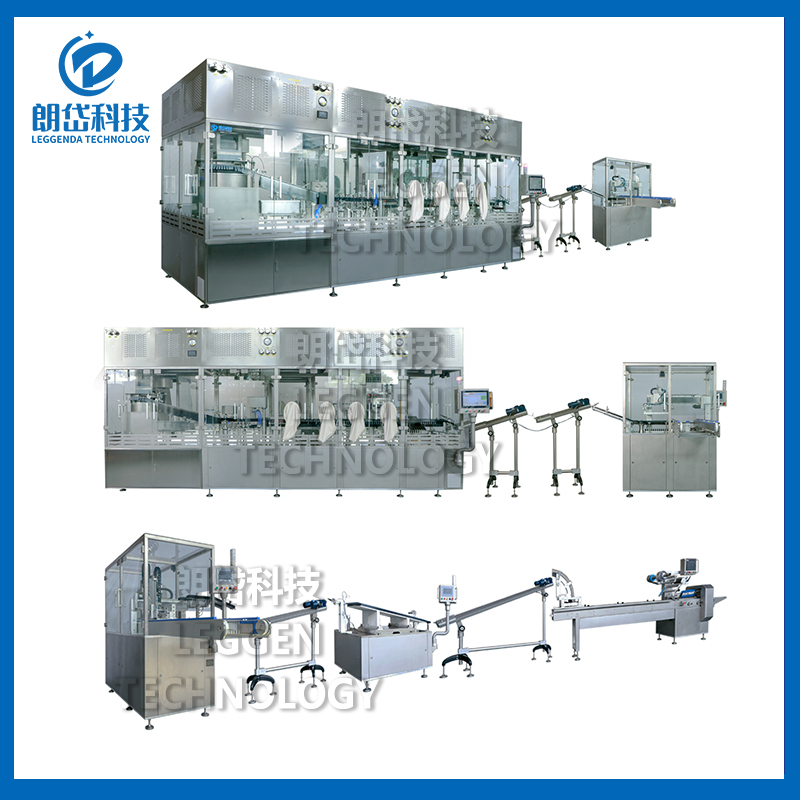
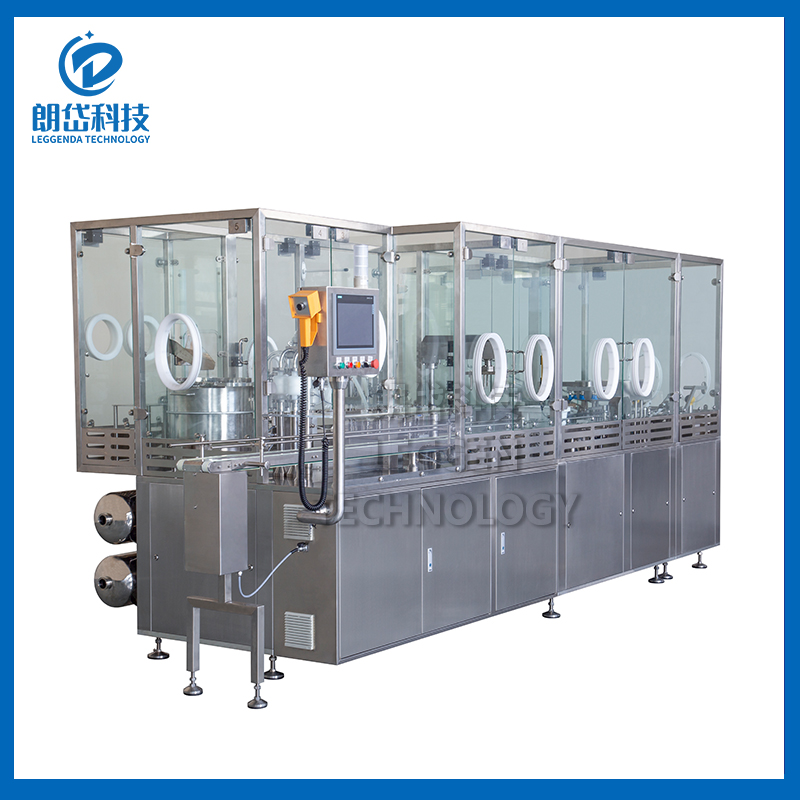
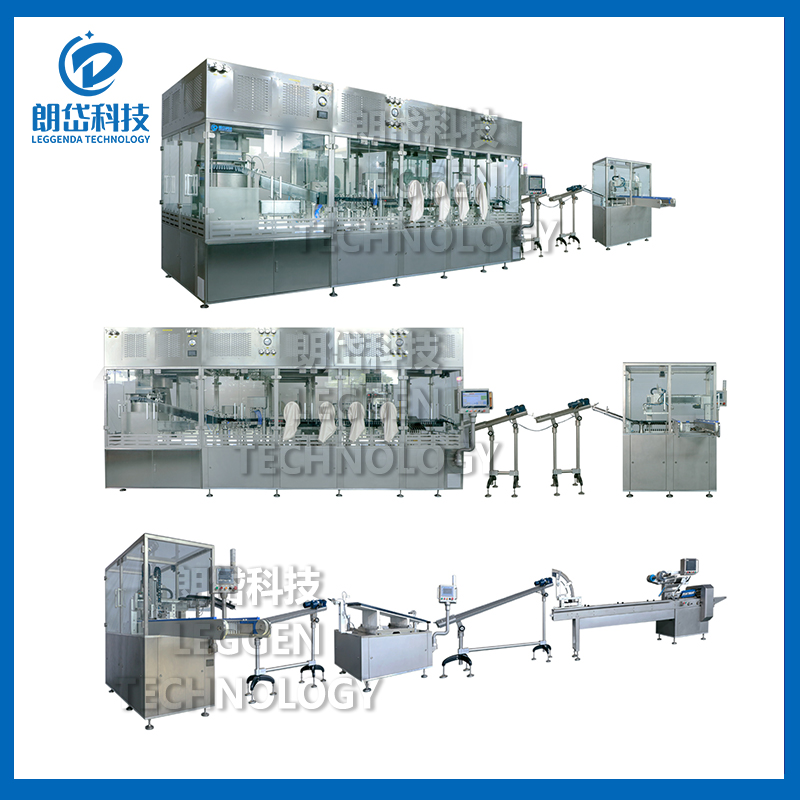
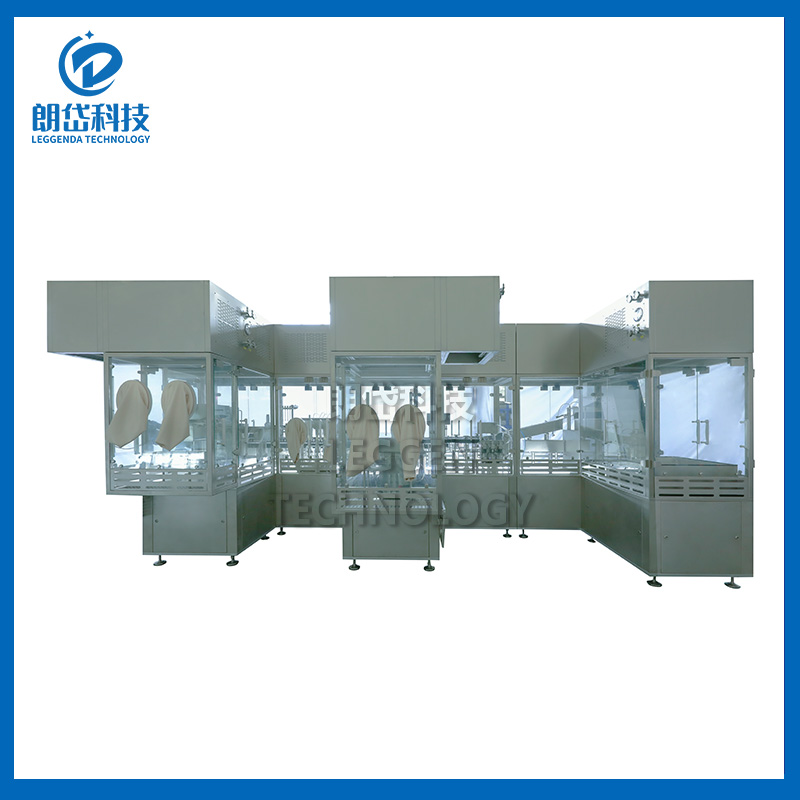
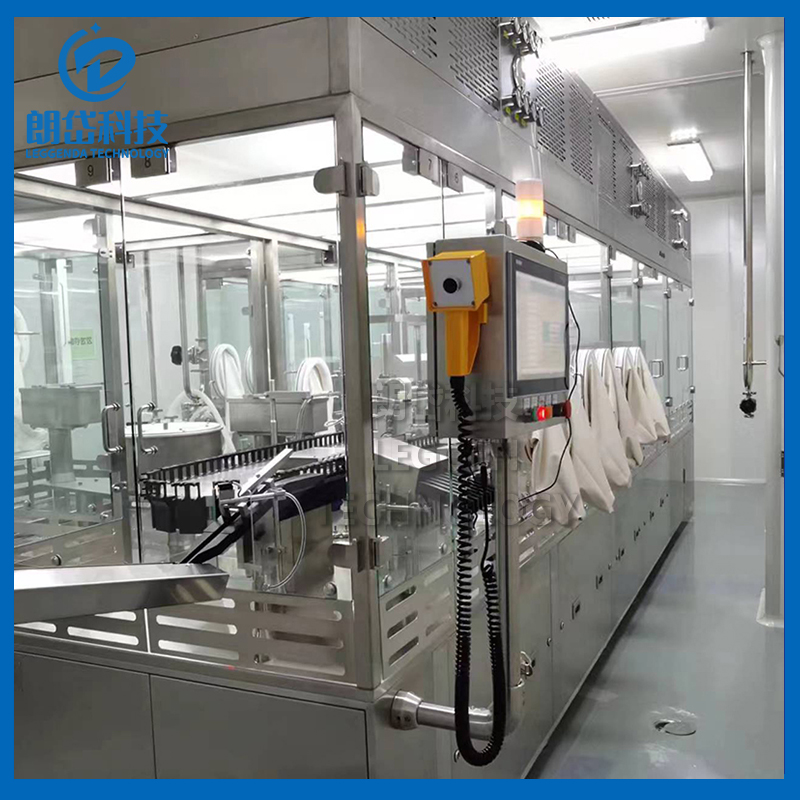
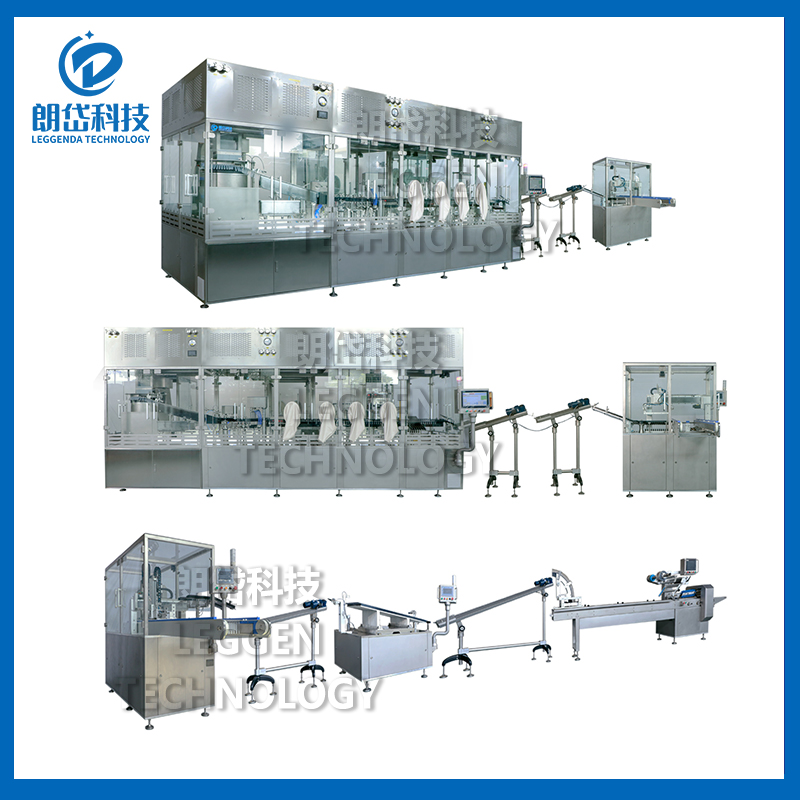
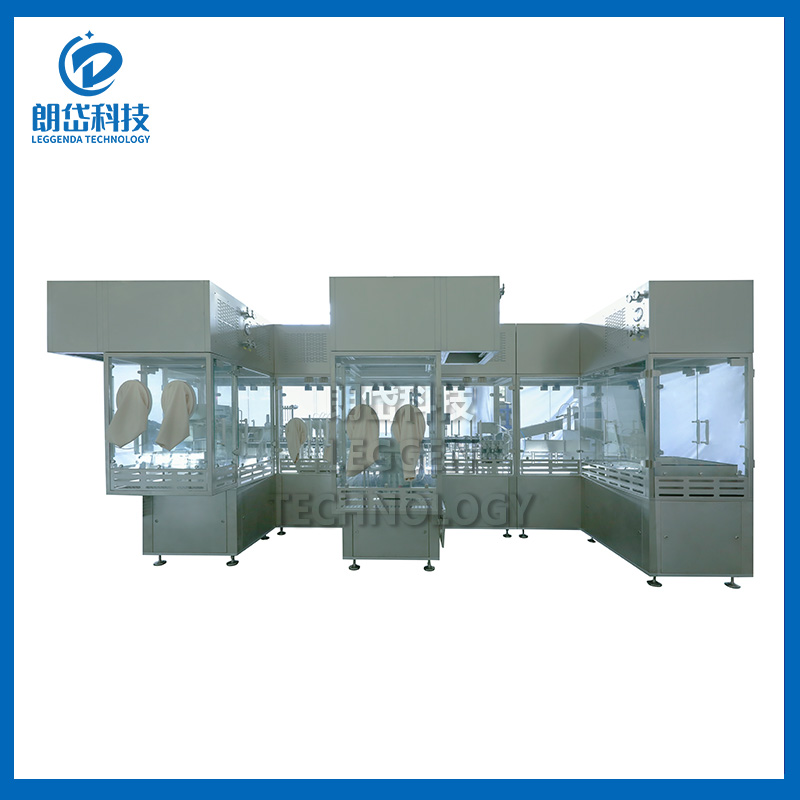
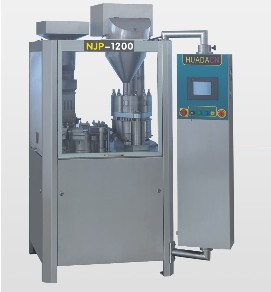
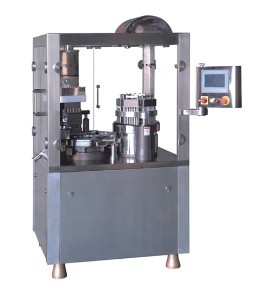
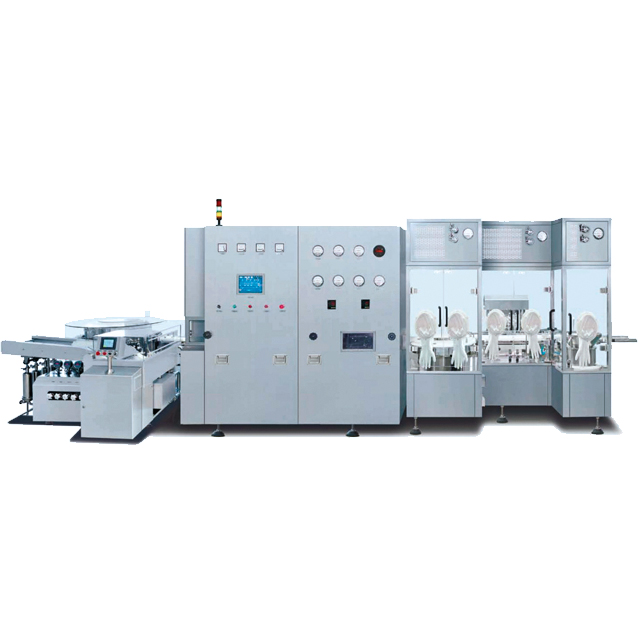
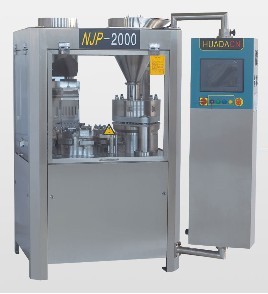
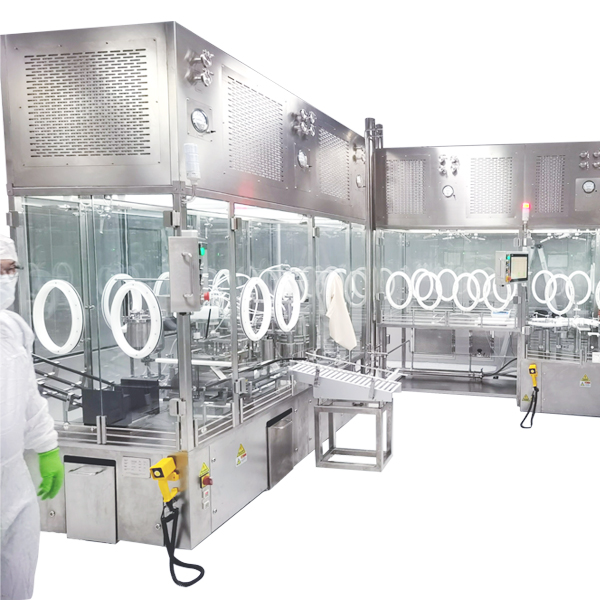
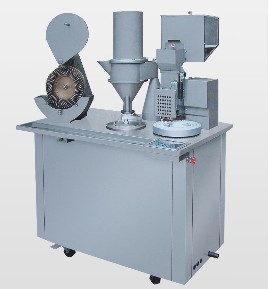
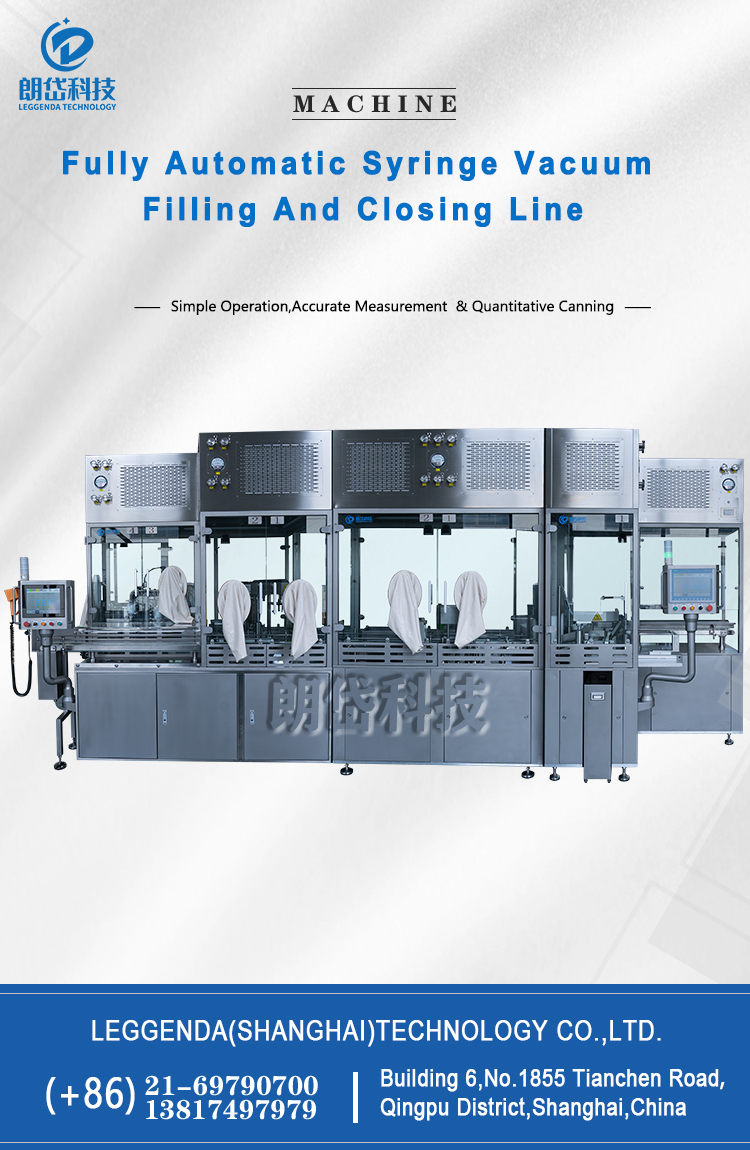
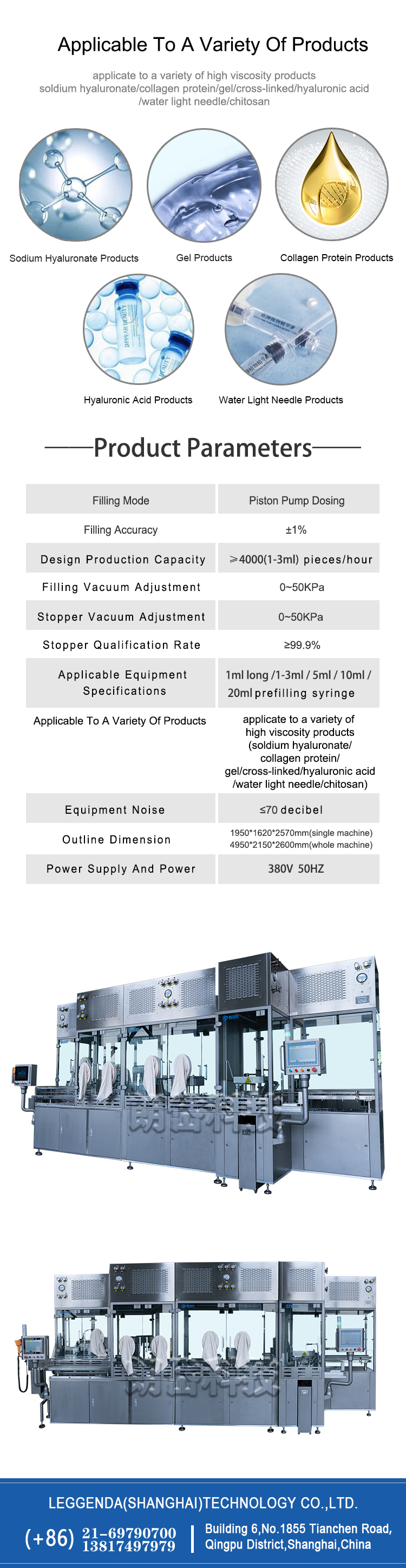
syringe filling line is widely used,stable operation,reliable performance and reasonable design.And the equipment is easy to operate and has high filling accuracy.It is mainly used for filling quantitative high viscosity liquid in pharmaceutical,Aesthetic Medicine.It can be customized and adjusted according to customers' needs.

*The following content is generated by AI and is for reference only.
The product in question is a precision-engineered medical device designed for the accurate dispensing and administration of liquid medications, vaccines, or diagnostic reagents. Primarily utilized in clinical settings such as hospitals, laboratories, and veterinary clinics, this tool ensures patient safety by minimizing dosage errors and reducing the risk of cross-contamination during procedures. Its ergonomic design facilitates smooth plunger operation, allowing healthcare professionals to deliver precise volumes ranging from microliters to milliliters with minimal effort. The device typically features a transparent barrel for clear visibility of fluid levels and air bubbles, while the tip interface is compatible with standard needle gauges to ensure secure attachment.
Critical usage guidelines emphasize strict adherence to aseptic techniques. Before each use, the instrument must be inspected for cracks, debris, or damaged seals that could compromise sterility or accuracy. It is imperative to never reuse single-use units, as residual fluids may harbor pathogens or alter chemical properties, posing severe health risks. When handling cytotoxic drugs or hazardous substances, appropriate personal protective equipment, including gloves and eye protection, is mandatory. Users should avoid applying excessive force on the plunger to prevent glass fracture or accidental leakage. Furthermore, storage conditions must remain within specified temperature and humidity ranges to maintain material integrity and calibration. Disposal requires following local biomedical waste regulations, ensuring the device is placed in designated sharps containers immediately after use. Regular maintenance involves cleaning external surfaces with approved disinfectants, though internal mechanisms should never be submerged unless explicitly rated for sterilization. Proper training is essential for all operators to maximize efficiency and safety. By adhering to these protocols, medical teams can ensure reliable performance, protect patient well-being, and uphold the highest standards of clinical hygiene in diverse healthcare environments.