Product Description
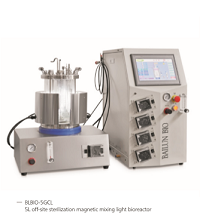
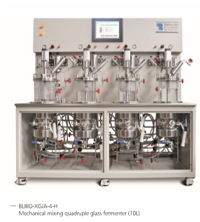
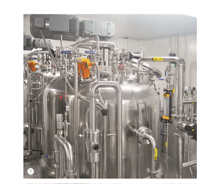
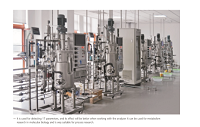
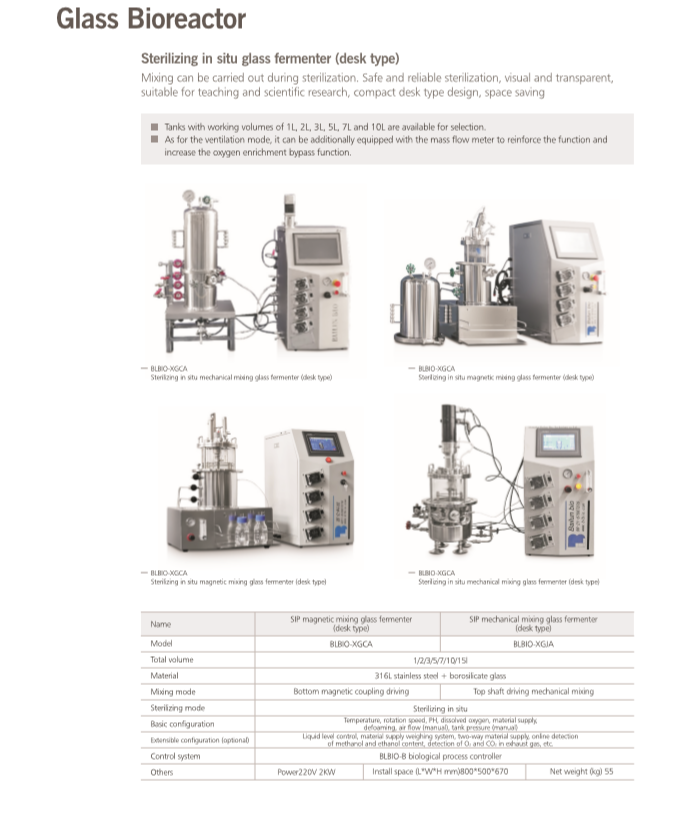
Sterilizing in situ glass fermenter(desk type) Mixing can be carried out during sterilization,visual and transparent, suitable for teaching and scientific research, compact desk type design, space and saving.
AI Product Description
*The following content is generated by AI and is for reference only.
The desk-type in-situ glass fermenter is a compact, laboratory-grade bioreactor designed for small-scale microbial cultivation and process development. Constructed primarily from high-quality borosilicate glass, this unit offers superior chemical resistance and optical clarity, allowing researchers to visually monitor cell growth, mixing efficiency, and foam formation without disturbing the sterile environment. The system features an integrated sterilization capability, enabling the entire vessel and internal components to undergo steam-in-place (SIP) procedures directly within the apparatus. This eliminates the need for external transfer of media or inoculum, significantly reducing contamination risks and ensuring experimental reproducibility.
Typically equipped with precision control systems, these fermenters allow for independent regulation of critical parameters such as agitation speed, aeration rate, temperature, and pH. The stainless steel base houses the motor drive, heating elements, and gas flow controllers, while the glass jar serves as the reaction chamber. Common applications include strain screening, fermentation optimization, enzyme production studies, and teaching demonstrations in academic settings. The compact footprint makes it ideal for benchtop use in limited laboratory spaces.
When operating this equipment, strict adherence to safety protocols is essential. Prior to each run, all seals and gaskets must be inspected for wear to prevent leaks during pressurized sterilization. Users should ensure that the cooling water supply is adequate to manage heat generated by stirring and heating, preventing thermal shock to the glass. During operation, pressure relief valves must remain functional to avoid over-pressurization hazards. Furthermore, all connections between tubing and ports must be secure before initiating airflow. After use, thorough cleaning and drying are required to prevent biofilm buildup. Operators should always wear appropriate personal protective equipment when handling hot surfaces or pressurized vessels. Proper maintenance of the stirrer shaft and electrode probes ensures long-term accuracy and reliability, making this device a versatile tool for modern biotechnology research.





 (All Rights Reserved)