Product Description
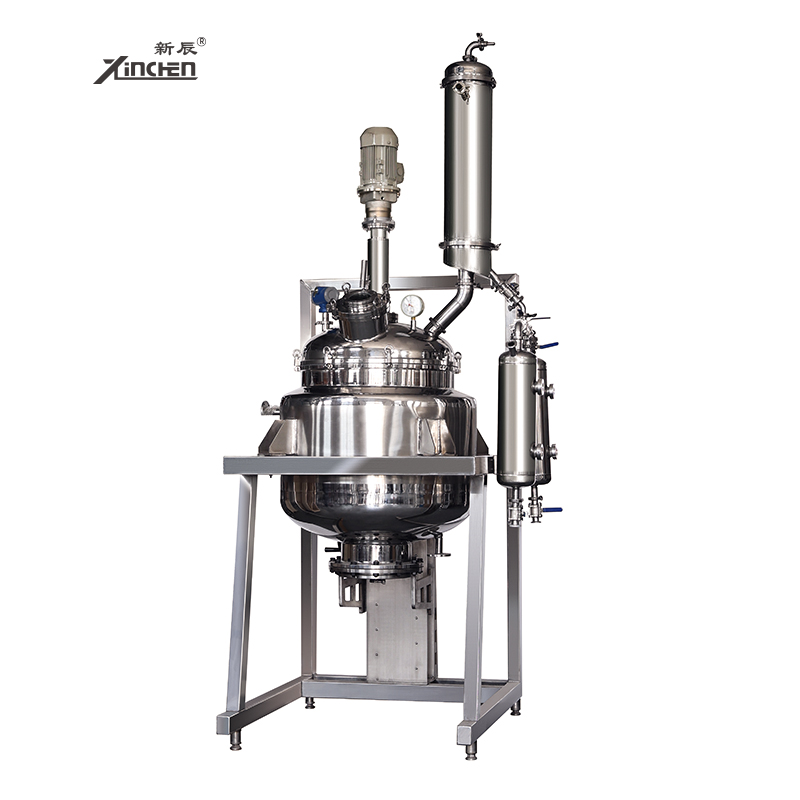
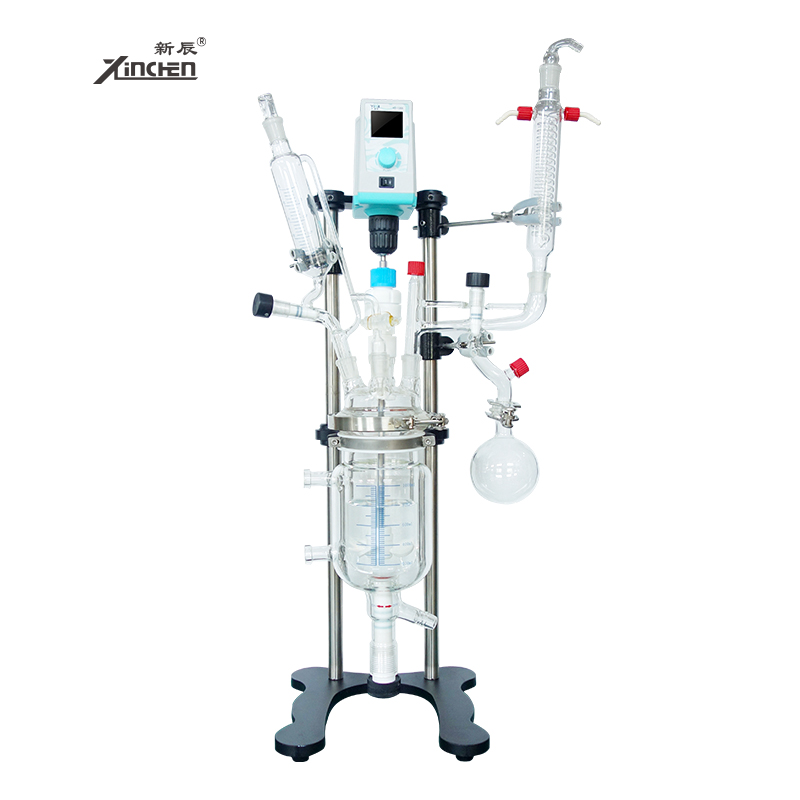
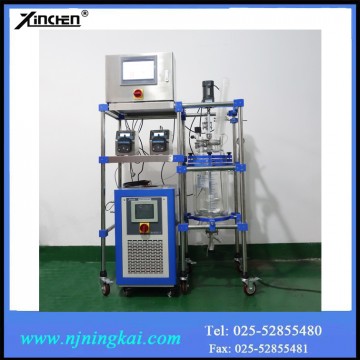
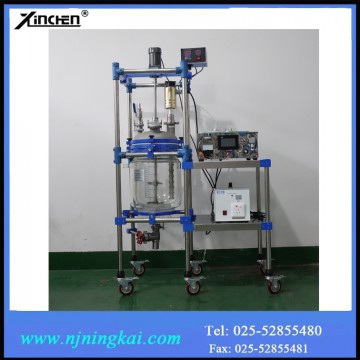
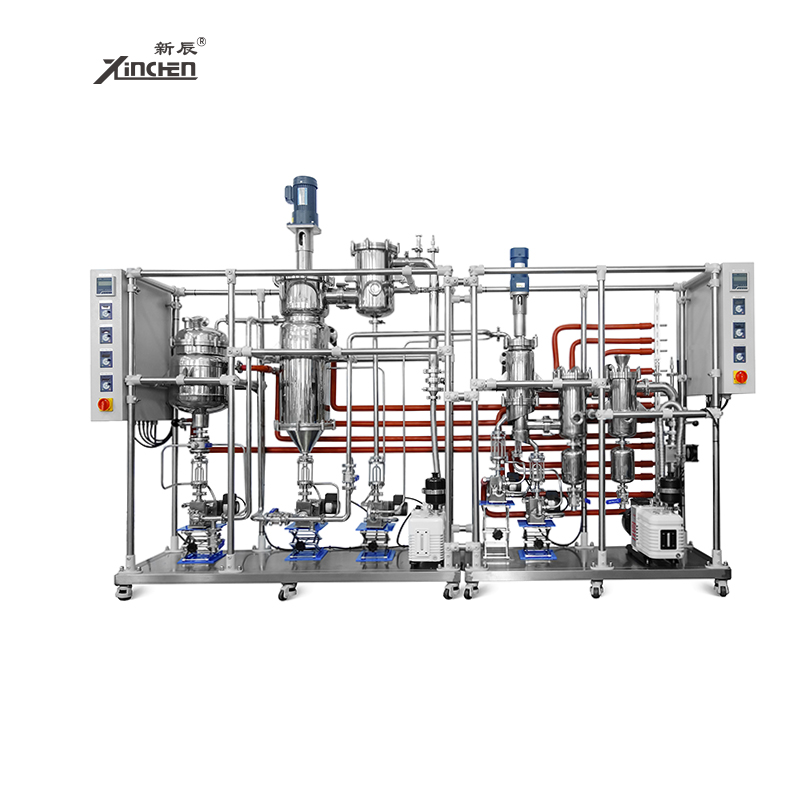
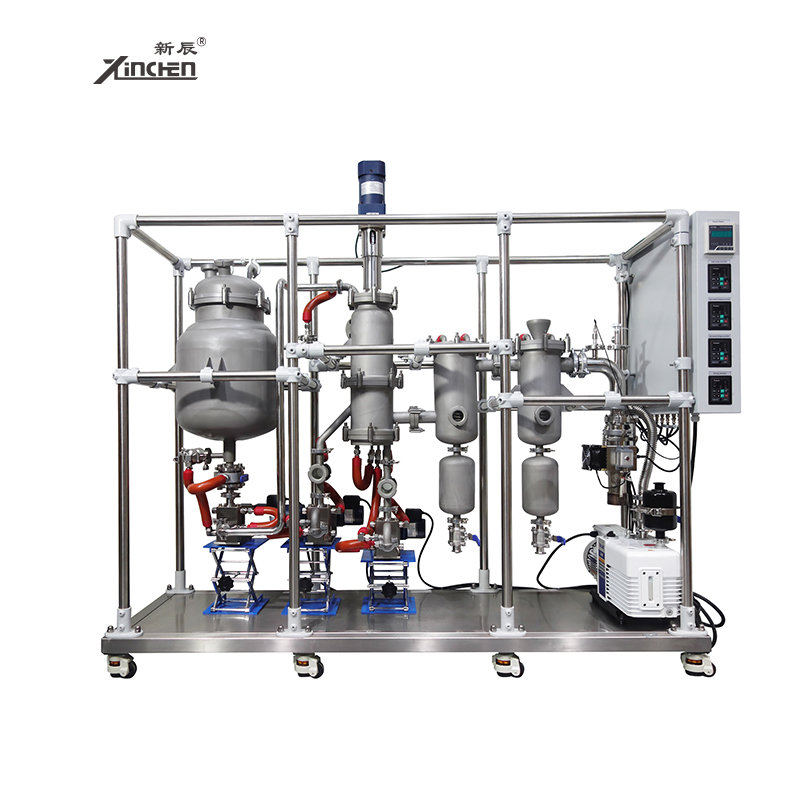
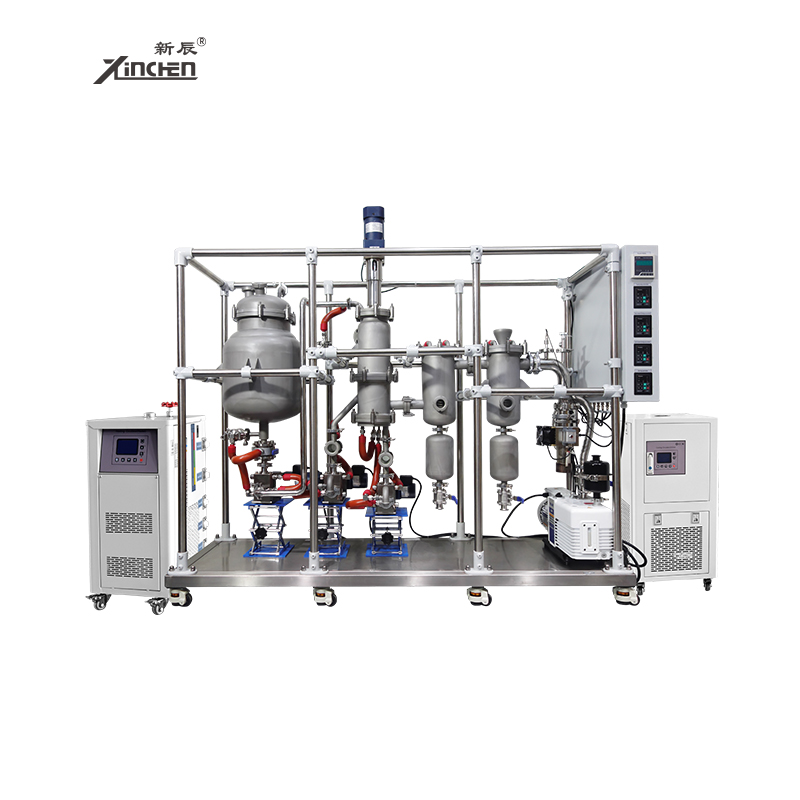
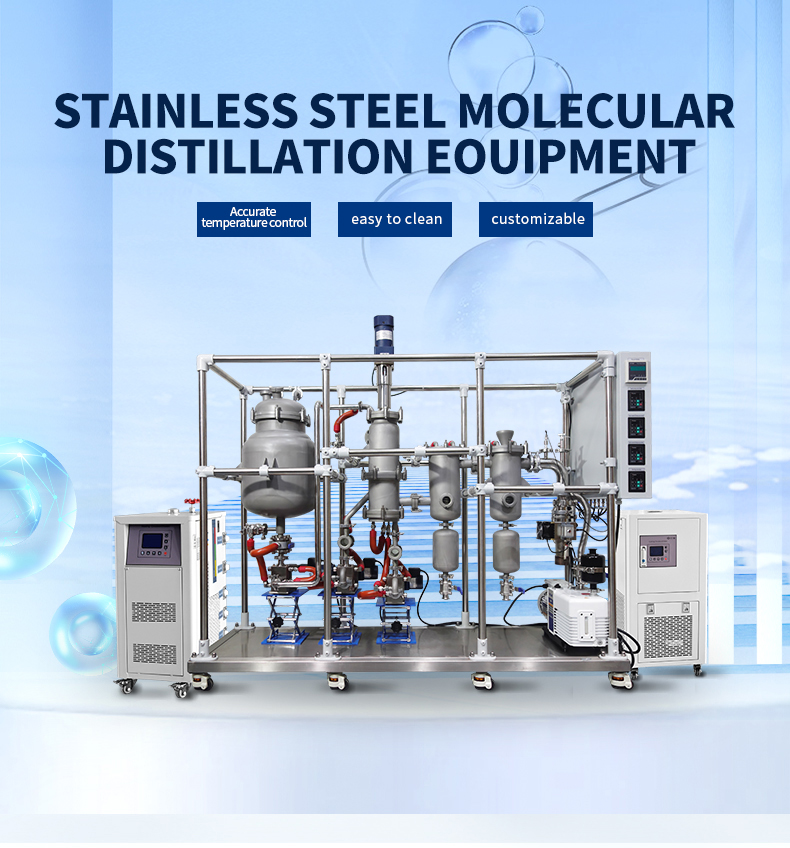
Compared with glass molecular distilation unit, stainless steel molecular distillation unit has beter heat
transfer efficiency and evaporation efficiency. lt is an ideal industrial production equipment after experi-
mental.
AI Product Description
*The following content is generated by AI and is for reference only.
Stainless steel molecular distillation equipment is a high-efficiency separation technology designed for processing heat-sensitive, high-boiling-point, and high-viscosity materials. Unlike traditional distillation methods that rely on boiling points at atmospheric pressure, this system operates under high vacuum conditions, significantly lowering the boiling point of substances. This allows for the gentle separation of components without causing thermal degradation, making it indispensable in industries such as pharmaceuticals, food and beverage, cosmetics, and fine chemicals.
The primary applications include the purification of natural oils like fish oil and vegetable oils to remove heavy metals, pesticides, and oxidation products. It is also widely used to concentrate essential oils, isolate vitamins (such as Vitamin E), and purify fatty acids. In the pharmaceutical sector, it aids in extracting active ingredients from herbal extracts while maintaining their biological activity. The process effectively separates molecules based on their mean free path rather than vapor pressure differences, ensuring high purity and recovery rates even for complex mixtures.
Operating this equipment requires strict adherence to safety and maintenance protocols. First, the system must be properly evacuated to achieve the necessary high vacuum levels before heating begins; failure to do so can lead to material decomposition or equipment damage. Operators should monitor temperature gradients closely to prevent overheating, as excessive heat can compromise product quality despite the low-pressure environment. Regular cleaning is crucial to prevent residue buildup, which can affect vacuum stability and heat transfer efficiency. Additionally, all seals and gaskets must be inspected frequently for wear, as any leak can ruin the vacuum integrity. Proper grounding is essential due to the electrical nature of the heating elements and pumps. Finally, operators must ensure adequate ventilation in the workspace, especially when handling volatile organic compounds, to mitigate fire hazards and health risks. With proper care, this technology offers a reliable solution for advanced separation needs across diverse industrial sectors.





 (All Rights Reserved)