Product Description
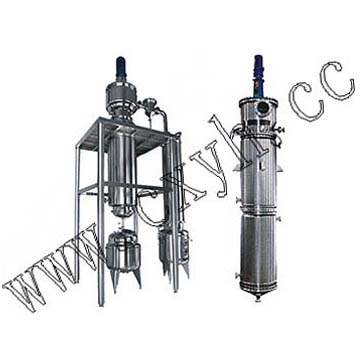
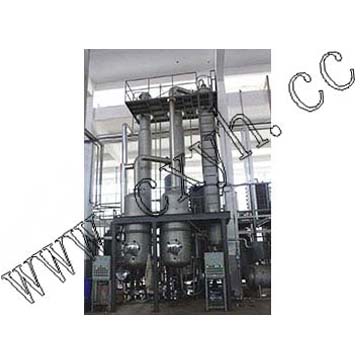
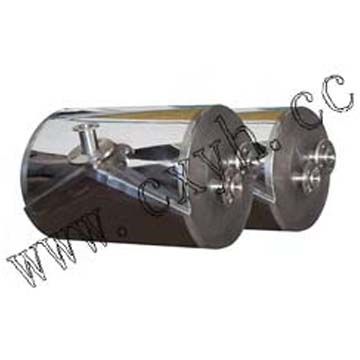
| Our products spiral plate heat exchanger consists of heat transfer plate, spacing column, center separator, end plate. This product is a kind of high efficient heat transfer equipment and suitable for petroleum, chemical, pharmaceutical, food, light industry, and other industries. |
AI Product Description
*The following content is generated by AI and is for reference only.
A **Spiral Plate Heat Exchanger (SPHE)** is a specialized type of compact heat exchanger known for its unique geometry, which consists of two concentric spiral channels formed by winding two long metal plates around a central core. This design offers distinct advantages over traditional shell-and-tube or plate heat exchangers, particularly in applications involving viscous fluids, slurries, or fouling-prone media.
### How It Works
The construction involves two flat metal sheets that are welded together at the edges and then spirally wound around a central core to create two continuous, parallel flow channels.
- **Counter-Current Flow**: The hot fluid enters one channel and flows from the outside toward the center (or vice versa), while the cold fluid enters the opposite end and flows in the reverse direction. This creates an efficient **counter-current flow** pattern throughout the entire length of the exchanger.
- **Self-Cleaning Effect**: As fluids pass through the narrow, curved channels, they experience high turbulence even at lower flow rates. This turbulence helps prevent scale buildup and reduces fouling, making SPHEs ideal for dirty or viscous streams.
### Key Advantages
1. **High Efficiency**: The counter-current arrangement allows for very close temperature approaches (often within 1°C), maximizing heat recovery.
2. **Compact Design**: Due to the large surface area packed into a small volume, SPHEs require significantly less floor space than shell-and-tube units.
3. **Fouling Resistance**: The high turbulence and self-cleaning action minimize the need for frequent cleaning compared to other types.
4. **Handling Viscous Fluids**: They can effectively handle highly viscous liquids and fluids containing solids or fibers without clogging easily.
5. **Thermal Stress Reduction**: The spiral structure allows for natural thermal expansion, reducing stress on the welds and materials.
### Common Applications
SPHEs are widely used in industries where standard heat exchangers struggle:
- **Chemical & Petrochemical**: Handling corrosive or viscous process fluids.
- **Food & Beverage**: Pasteurization of dairy, juices, or sauces where hygiene and viscosity matter.
- **Pulp & Paper**: Processing black liquor or pulp slurries.
- **Wastewater Treatment**: Treating sludge or biological effluents.
- **HVAC**: District heating systems requiring compact solutions.
### Limitations
Despite their benefits, there are some constraints:
- **Pressure Limits**: Generally limited to moderate pressures (typically up to 20–25 bar) due to the structural nature of the spiral welds.
- **Maintenance**: While resistant to fouling, if severe blockage occurs, internal cleaning can be difficult because the channels are not easily accessible for mechanical brushing.
- **Cost**: Manufacturing requires precision welding and winding, which can make the initial unit cost higher than simple shell-and-tube designs, though operational savings often offset this.
### Conclusion
The Spiral Plate Heat Exchanger is an excellent choice when you need **high thermal efficiency**, **compact footprint**, and the ability to handle **fouling or viscous fluids**. If your application involves clean water at high pressure with low fouling potential, a standard plate or shell-and-tube exchanger might be more cost-effective; however, for challenging industrial processes, the SPHE often provides superior performance and longevity.





 (All Rights Reserved)