Product Description
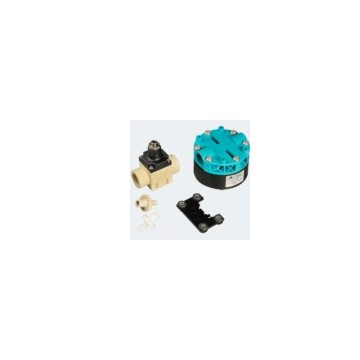
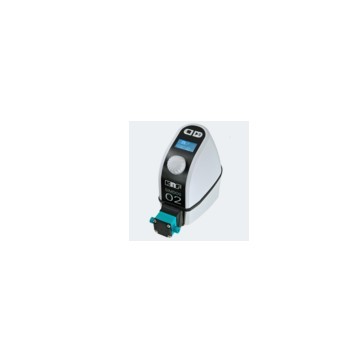
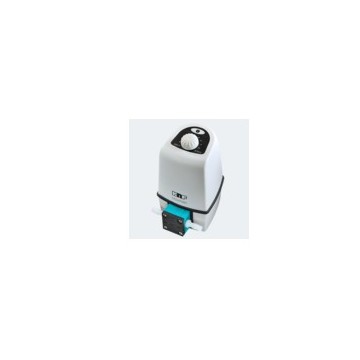
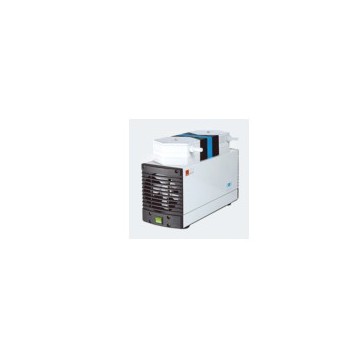
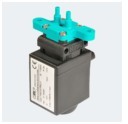
KNF magnetic driven dosing pumps are metering pumps that are particularly well suited for dispensing applications.
AI Product Description
*The following content is generated by AI and is for reference only.
Solenoid diaphragm dosing pumps are precision fluid handling devices widely utilized across industrial, agricultural, and municipal sectors for the accurate metering of liquids. These pumps operate by converting electrical energy from a solenoid into mechanical motion, which drives a flexible diaphragm to create a vacuum and pressure cycle. This mechanism ensures highly consistent flow rates, making them ideal for applications requiring exact chemical injection or liquid transfer. Common use cases include water treatment facilities for adding chlorine or fluoride, pharmaceutical manufacturing for precise ingredient dispensing, agricultural systems for pesticide application, and laboratory environments for reagent delivery. Their ability to handle corrosive, abrasive, or viscous fluids with minimal maintenance makes them a preferred choice in demanding operational settings.
When operating these units, several critical precautions must be observed to ensure safety and longevity. First, proper priming is essential; running the pump dry can cause irreversible damage to the diaphragm and check valves due to heat generation and friction. Users should always verify that the suction line is filled with liquid before activation. Second, chemical compatibility is paramount; the wetted parts, such as seals and tubing, must be selected to resist degradation by the specific fluid being pumped. Failure to match materials can lead to leaks, contamination, or catastrophic pump failure. Third, regular inspection of the diaphragm for cracks or fatigue is necessary, as wear over time affects dosing accuracy and may result in internal leakage. Additionally, installation should avoid excessive vibration or extreme temperature fluctuations, which can compromise electronic components and mechanical integrity. Finally, operators must adhere to local safety regulations regarding chemical handling and electrical connections. Proper grounding and protection against moisture are vital to prevent electrical hazards. By following these guidelines, users can maximize the efficiency and service life of their dosing systems while maintaining high standards of operational safety and precision.



 (All Rights Reserved)