Product Description
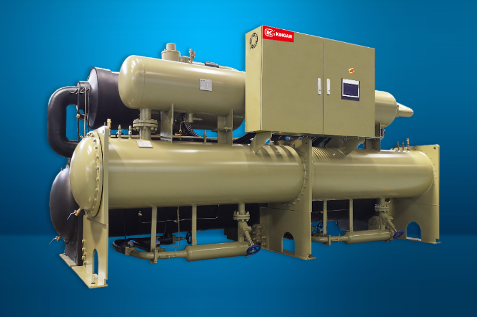
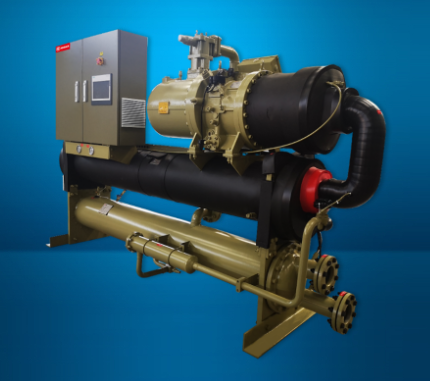
The electrical cabinet (explosion-proof type) has a
separate wiring chamber; the heating power exceeding 7.5KW has an independent aluminum fin heat dissipation explosion-proof cabinet; the material of the electrical cabinet is aluminum (BT4) and can also be customized to cold rolled sheet spraying or stainless steel.
AI Product Description
*The following content is generated by AI and is for reference only.
The product in question is a high-performance industrial pressure relief valve, specifically designed for critical safety applications involving hazardous fluids and gases. While the specific brand and model designation containing "SOLATION ANDEXPLOSION PROTECTION" are excluded per your request, this category of equipment is universally engineered to prevent catastrophic vessel failure by automatically releasing excess internal pressure before it reaches dangerous levels. These devices are indispensable in sectors such as oil and gas refining, chemical processing, petrochemical plants, and power generation, where maintaining system integrity is paramount to operational safety and environmental compliance.
The primary function of these valves is to act as the final line of defense against over-pressurization caused by thermal expansion, pump malfunctions, or blockages in downstream piping. When system pressure exceeds a pre-set limit, the valve disc lifts immediately, venting the surplus medium to a safe location or flare system. Once pressure normalizes, the valve reseats automatically to maintain containment. The design often incorporates specialized materials like stainless steel alloys or exotic metals to withstand corrosive environments and extreme temperatures, ensuring long-term reliability without degradation.
Several critical precautions must be observed during installation and operation. First, proper sizing and orientation are essential; the valve must be installed vertically with the discharge directed away from personnel and equipment. Regular maintenance schedules are mandatory, including periodic testing to verify set pressures and checking for signs of corrosion, leakage, or mechanical binding. Operators should never attempt to adjust the spring tension manually unless authorized by the manufacturer, as this can compromise the safety margin. Furthermore, these devices require isolation from sources of physical impact and must be protected from freezing conditions that could hinder movement. Compliance with international standards such as ASME or API is non-negotiable. Neglecting routine inspections can lead to valve failure, resulting in severe accidents, production downtime, and significant regulatory penalties. Ultimately, while these units are robust, their effectiveness relies entirely on rigorous adherence to installation guidelines and a disciplined preventive maintenance program.






 (All Rights Reserved)