Product Description
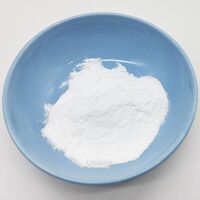
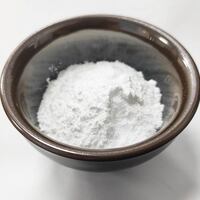
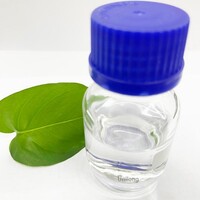
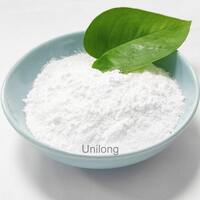
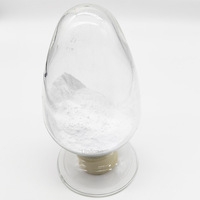
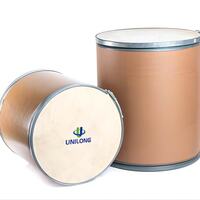
Sodium hyaluronate CAS 9067-32-7 is a kind of polysaccharide bio-polymer which exists naturally in human tissues. It has good moisture, lubricity and biocompatibility, and is widely used in cosmetics, medicine, food and other fields. Unilong is a professional Sodium hyaluronate CAS 9067-32-7 suppliers, quality assurance, fast delivery, in stock.
AI Product Description
*The following content is generated by AI and is for reference only.
Sodium hyaluronate, the sodium salt of hyaluronic acid, is a naturally occurring polysaccharide found abundantly in human connective tissues, skin, and eyes. Renowned for its exceptional capacity to retain water, it acts as a powerful humectant, capable of holding up to 1,000 times its weight in moisture. This unique property makes it a cornerstone ingredient across diverse industries, particularly in dermatology, ophthalmology, and cosmetics.
In the skincare sector, sodium hyaluronate is widely utilized in serums, moisturizers, and masks. Its low molecular weight allows for deeper penetration into the epidermis compared to larger hyaluronic acid molecules, effectively hydrating the skin from within, plumping fine lines, and improving overall texture and elasticity. It helps restore the skin barrier, making it ideal for dry, sensitive, or aging skin types. Furthermore, it is non-comedogenic and generally suitable for all skin types, including acne-prone skin.
Ophthalmologically, sodium hyaluronate serves as a vital component in artificial tears and surgical viscoelastic agents. In eye drops, it alleviates symptoms of dry eye syndrome by lubricating the ocular surface and retaining moisture. During cataract surgery or other intraocular procedures, high-viscosity formulations protect delicate corneal endothelial cells and maintain space within the anterior chamber.
Regarding safety and usage, sodium hyaluronate is biocompatible and biodegradable, with an excellent safety profile and minimal risk of allergic reactions. However, individuals with severe sensitivities to animal-derived products should verify the source, though most modern formulations are biofermented. While topical application is safe, users should avoid applying products containing this ingredient to broken skin unless specifically formulated for wound healing. Those undergoing eye surgery will have the product administered by professionals under sterile conditions. It is crucial to store products according to manufacturer instructions to preserve efficacy. Overall, sodium hyaluronate remains a versatile, effective, and safe solution for hydration and tissue repair in both medical and cosmetic applications.





 (All Rights Reserved)