Product Description
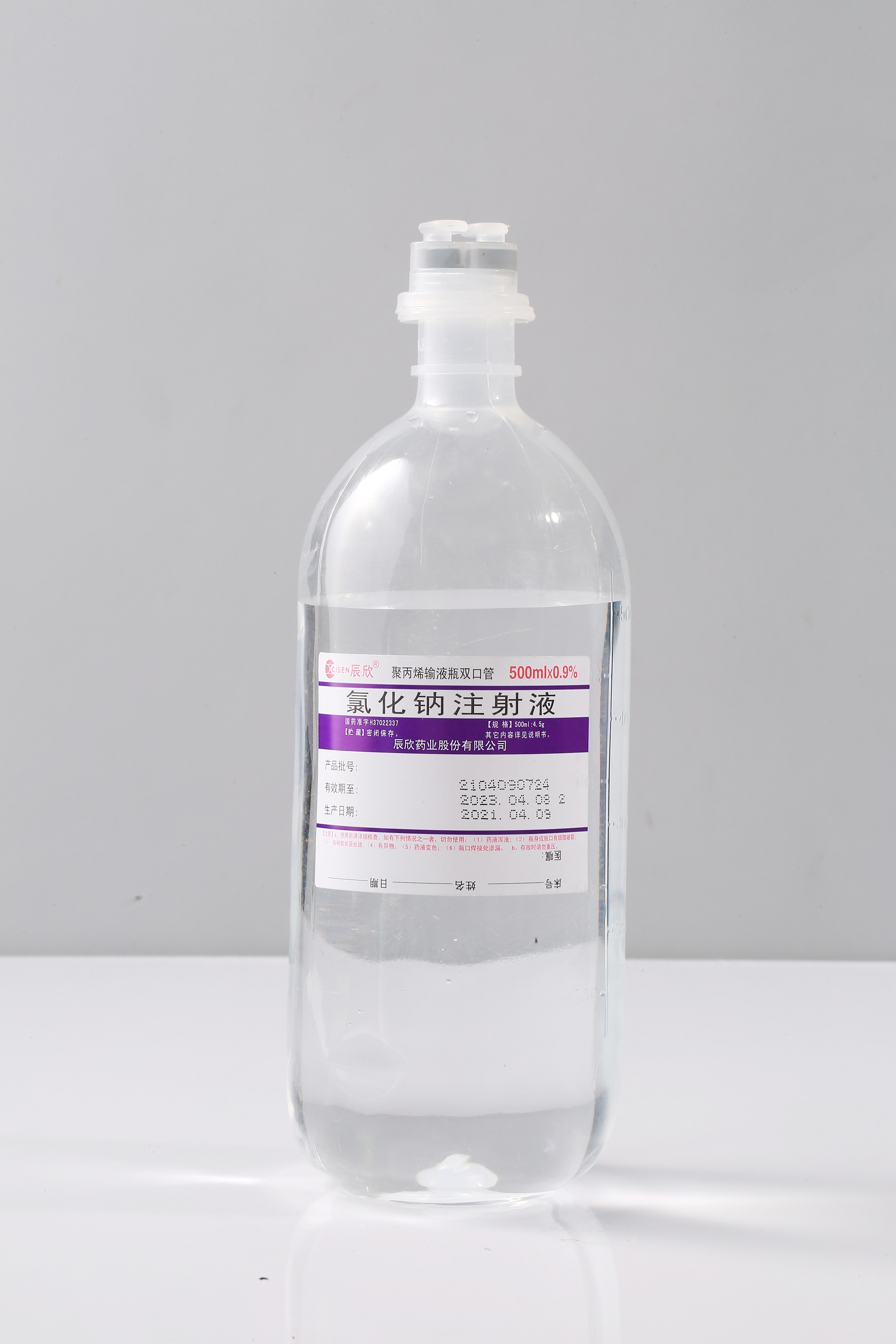
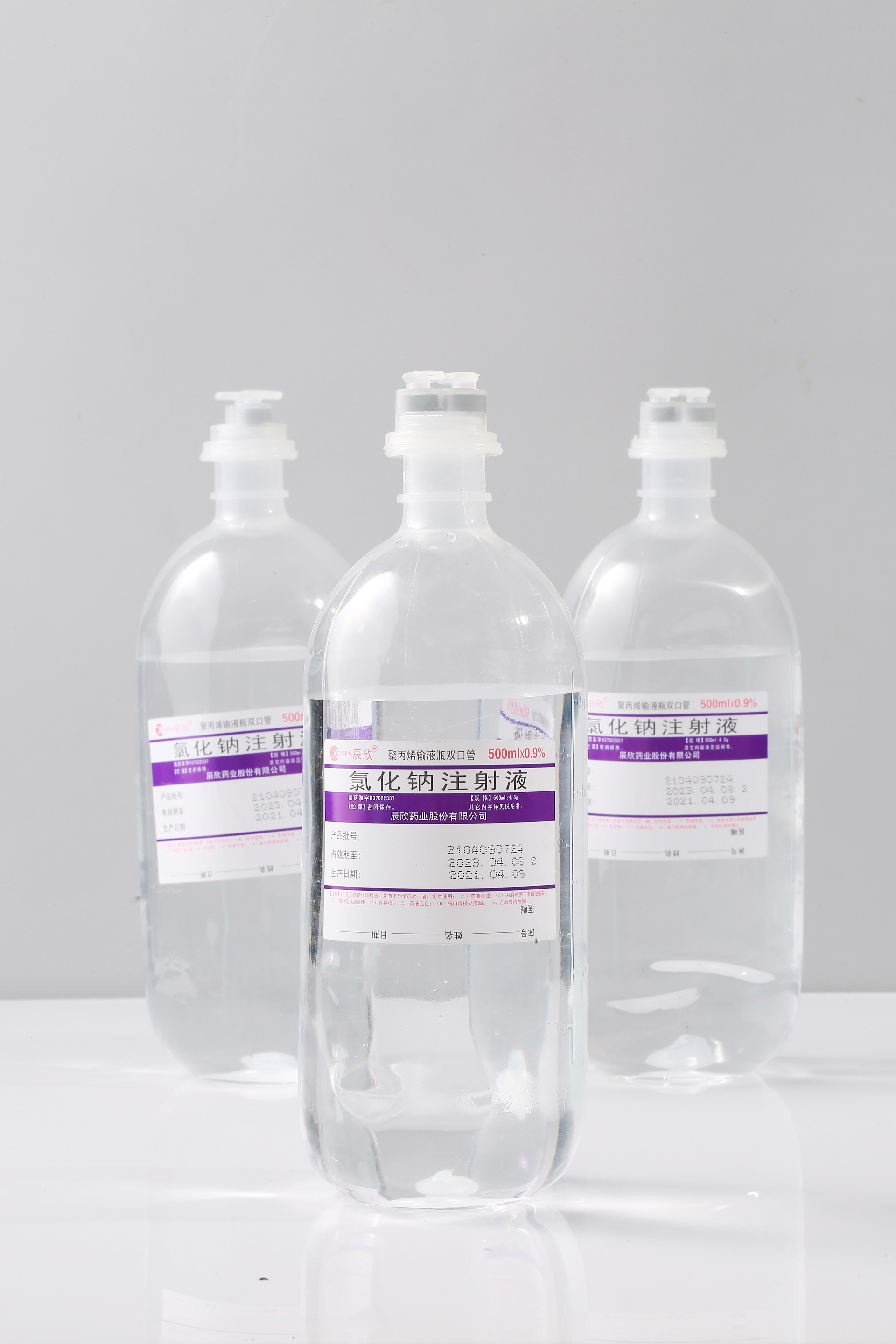
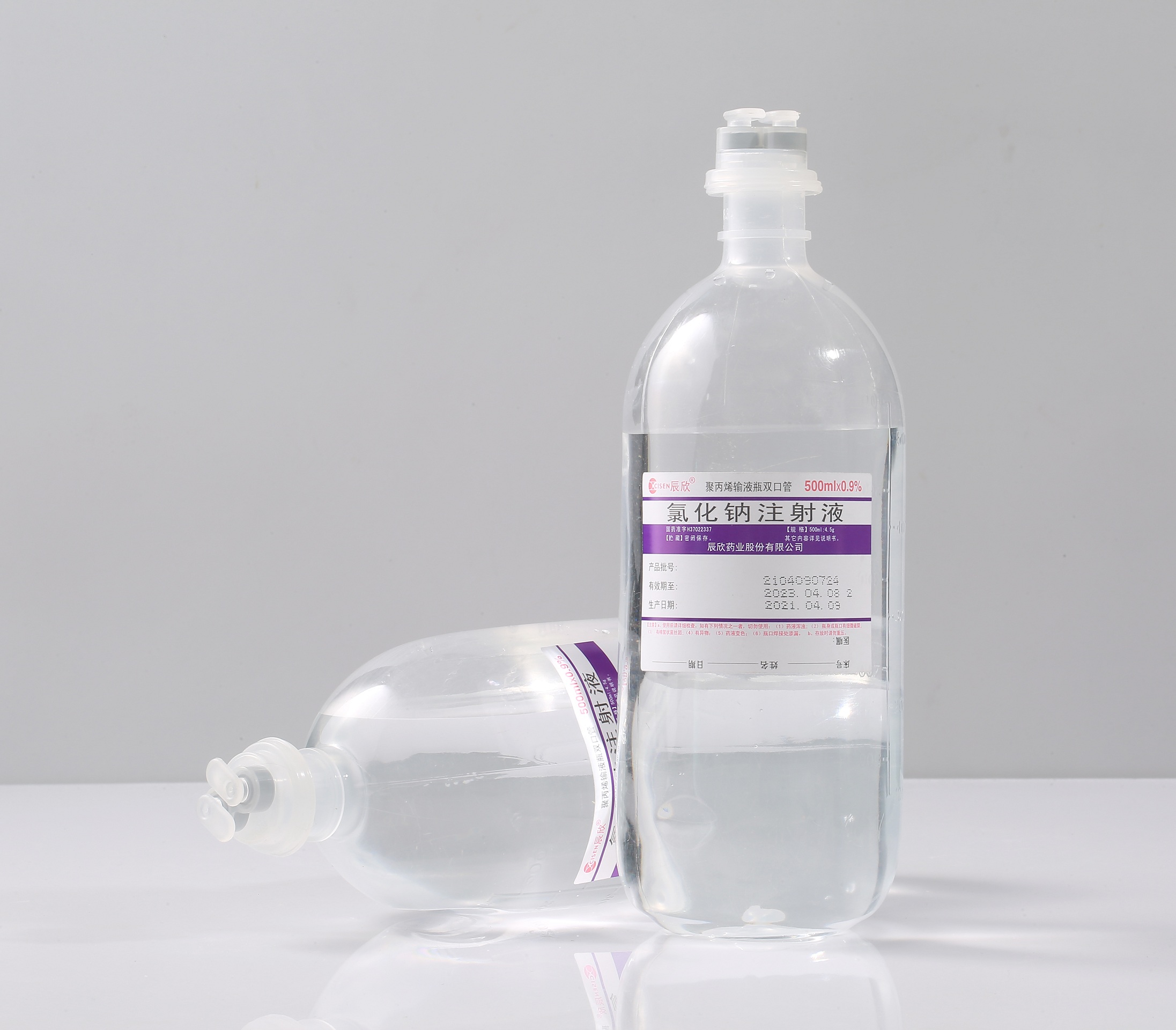
Sodium chloride injection is an electrolyte balance regulating drug used for water loss caused by various reasons.
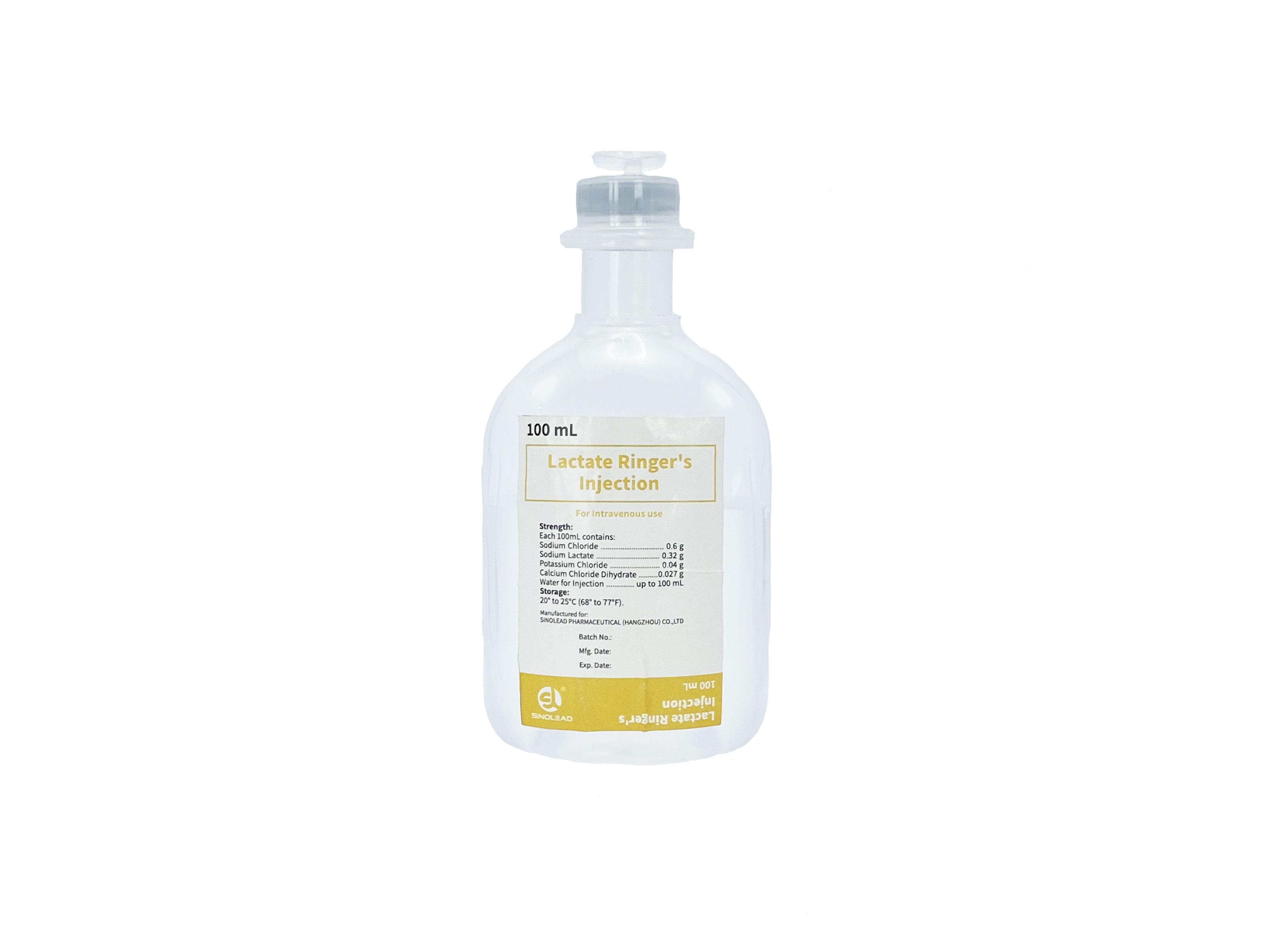
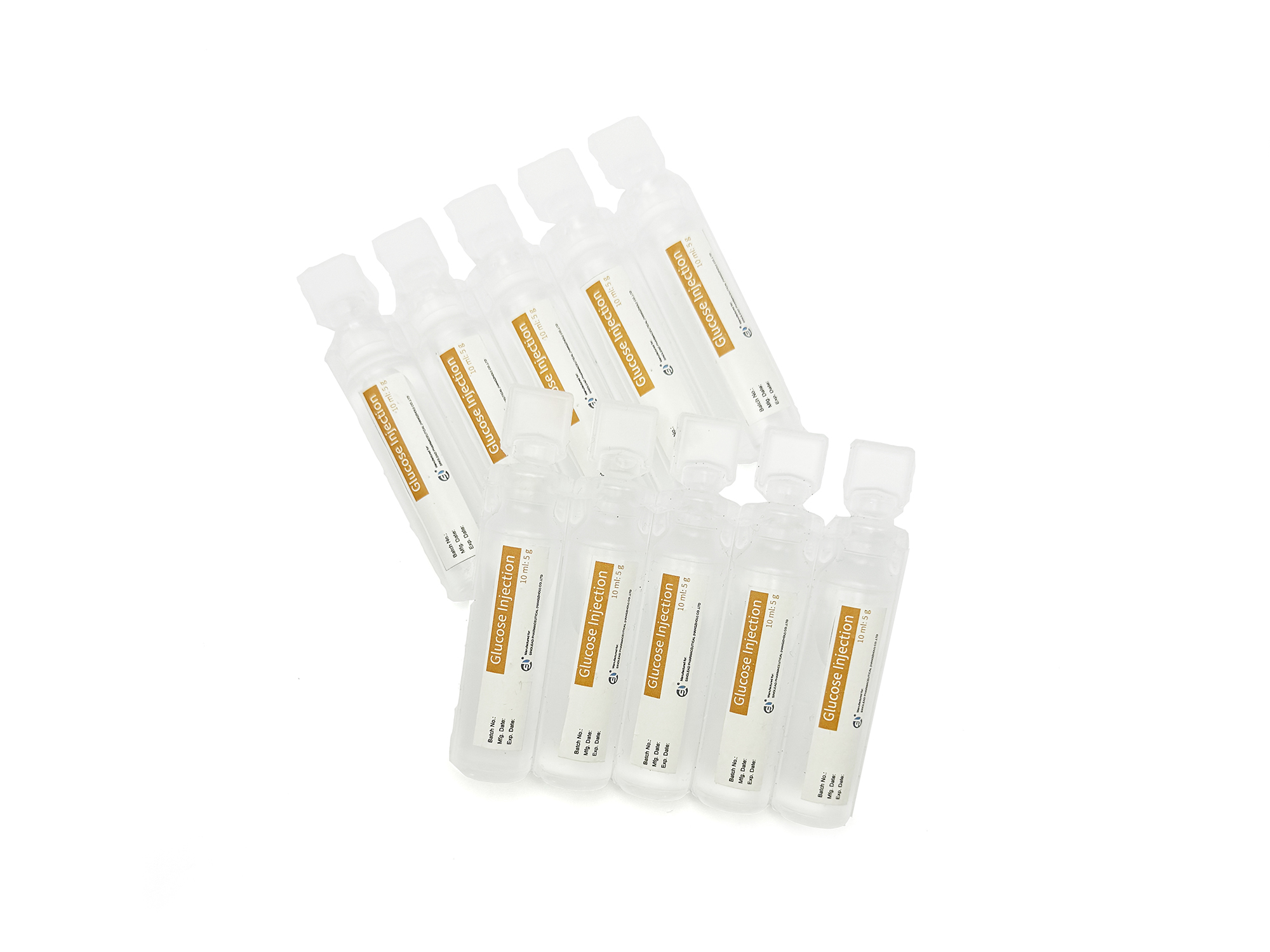
We can produce the product in many specifications, such as 500ml:4.5g, 250ml:2.25g, 100ml:0.9g, 10ml:90mg. As long as your MOQ is high enough, we can customize the specifications you need.
AI Product Description
*The following content is generated by AI and is for reference only.
Sodium chloride injection, commonly known as normal saline or 0.9% sodium chloride, is a sterile, non-pyrogenic solution widely utilized in clinical settings for fluid replacement and medication administration. Its primary composition includes 9 grams of sodium chloride per liter of water, creating an isotonic environment that closely matches the osmolarity of human blood plasma. This characteristic makes it exceptionally safe for intravenous infusion without causing significant cellular damage to red blood cells or tissues.
The product serves multiple critical functions in modern medicine. Firstly, it is the standard vehicle for rehydrating patients suffering from dehydration due to vomiting, diarrhea, or excessive sweating. By restoring extracellular fluid volume, it helps maintain adequate blood pressure and organ perfusion. Secondly, it acts as a versatile diluent for various intravenous medications, ensuring drugs are delivered safely and effectively into the bloodstream. Additionally, it is frequently used to flush intravenous lines to prevent clotting and ensure patency between treatments. In surgical contexts, it assists in maintaining electrolyte balance during prolonged procedures.
Despite its widespread use, specific precautions must be observed. Healthcare providers should exercise caution when administering this solution to patients with conditions involving fluid overload, such as congestive heart failure, renal impairment, or hypertension, as excessive sodium intake can exacerbate these issues. Rapid infusion may lead to hypernatremia or hypervolemia, resulting in symptoms like headache, nausea, or pulmonary edema. Patients with compromised cardiac or renal function require careful monitoring of fluid status and electrolyte levels throughout therapy. Furthermore, the solution is contraindicated for intrathecal administration, as it can cause severe neurological injury or death. Proper storage at controlled room temperature and inspection for particulate matter or discoloration before use are essential safety protocols. While generally well-tolerated, any signs of allergic reaction or local irritation at the injection site warrant immediate medical attention. Ultimately, sodium chloride injection remains a cornerstone of supportive care, vital for stabilizing patients across diverse medical scenarios when used according to established clinical guidelines.







 (All Rights Reserved)