Product Description
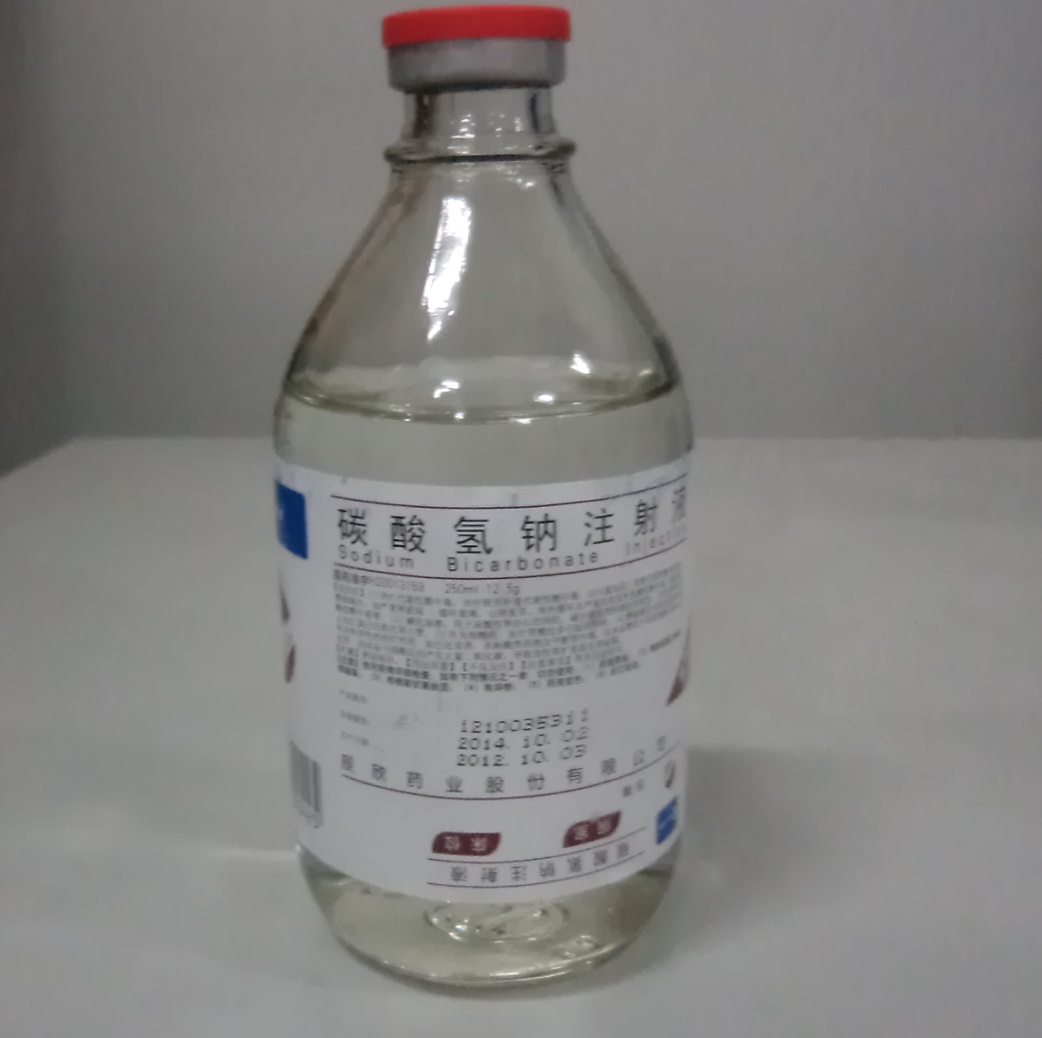
Sodium bicarbonate injection is a water, electrolyte and acid-base balance regulating drug, can neutralize excessive hydrogen ions in the body, used to correct acidosis, alkalization of urine, acid production, etc.
Specification: 250ml:12.5g
AI Product Description
*The following content is generated by AI and is for reference only.
Sodium Bicarbonate Infusion is a sterile, non-pyrogenic solution containing sodium bicarbonate dissolved in water for injection. Primarily utilized in clinical settings, this medication serves as a vital agent for correcting metabolic acidosis, a condition characterized by an abnormally low blood pH due to excess acid or loss of bicarbonate. It acts as a buffer, neutralizing hydrogen ions in the bloodstream and helping to restore normal acid-base balance. Beyond acute metabolic acidosis, it plays a crucial role in managing severe hyperkalemia by shifting potassium into cells, thereby reducing dangerous serum levels temporarily until definitive treatment can be administered. Additionally, it is frequently employed during cardiac resuscitation to treat specific types of acidosis associated with prolonged cardiopulmonary arrest or pre-existing metabolic disturbances.
The administration of Sodium Bicarbonate Infusion requires strict medical supervision. The solution must be diluted appropriately before intravenous infusion, typically at controlled rates, to prevent rapid shifts in electrolyte balance. A primary caution involves the risk of paradoxical intracellular acidosis, particularly in patients with compromised ventilation, where carbon dioxide generated from the reaction may accumulate. Furthermore, rapid infusion can lead to hypernatremia, fluid overload, and hypokalemia, necessitating careful monitoring of serum electrolytes, arterial blood gases, and fluid status throughout the therapy. Patients with conditions such as heart failure, renal impairment, or hypertension require dose adjustments and vigilant observation to avoid exacerbating volume overload. Hypocalcemia is another potential complication, especially if citrate-containing anticoagulants are used concurrently, as alkalosis increases calcium binding to albumin. Contraindications include metabolic or respiratory alkalosis and hypocalcemia. Healthcare providers must ensure that the infusion is not mixed with calcium-containing solutions in the same line to prevent precipitation. Proper storage at room temperature away from light is essential to maintain stability. This product remains a cornerstone in emergency medicine and critical care, but its efficacy relies entirely on precise diagnosis, appropriate dosing, and continuous patient monitoring to mitigate risks while achieving therapeutic goals.






 (All Rights Reserved)