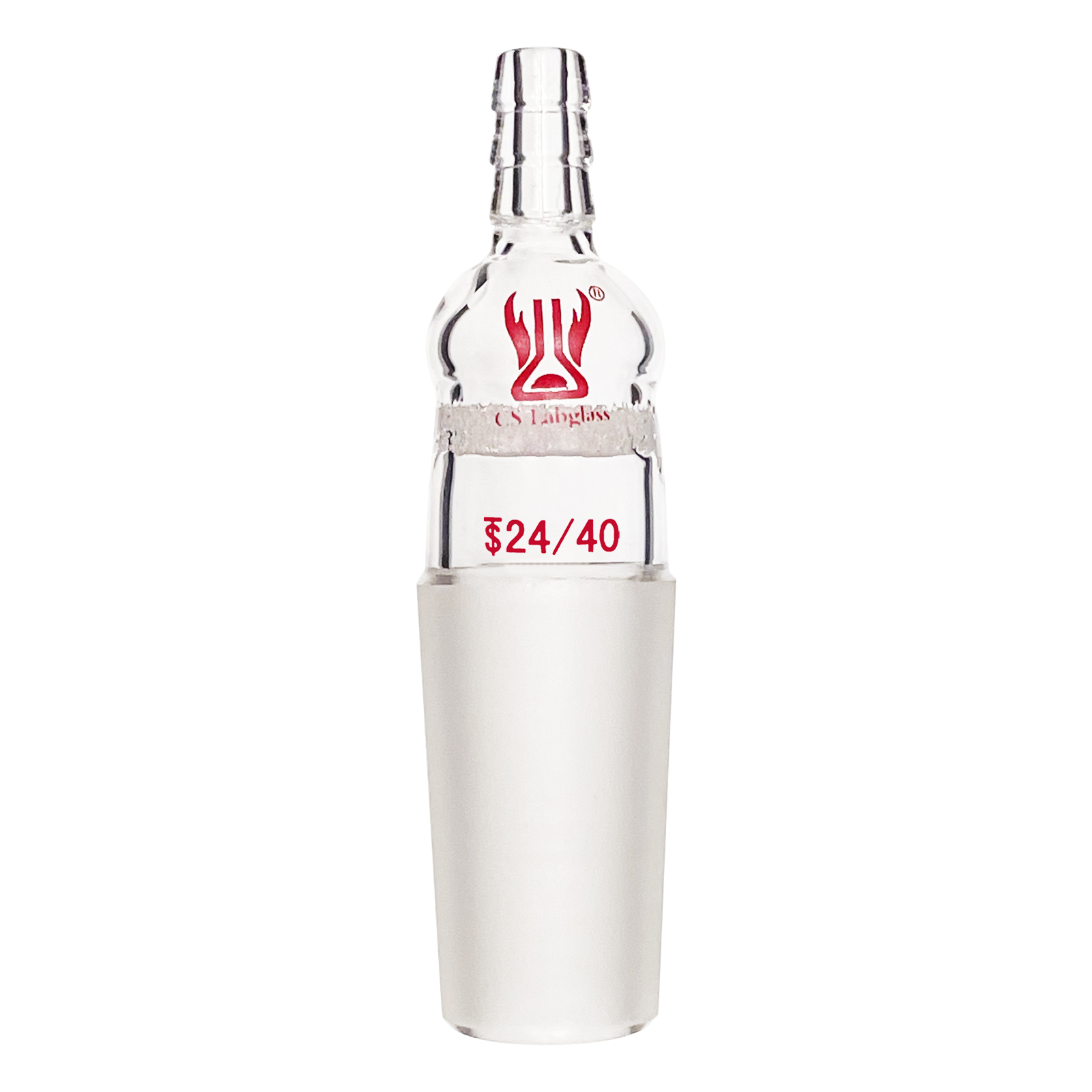
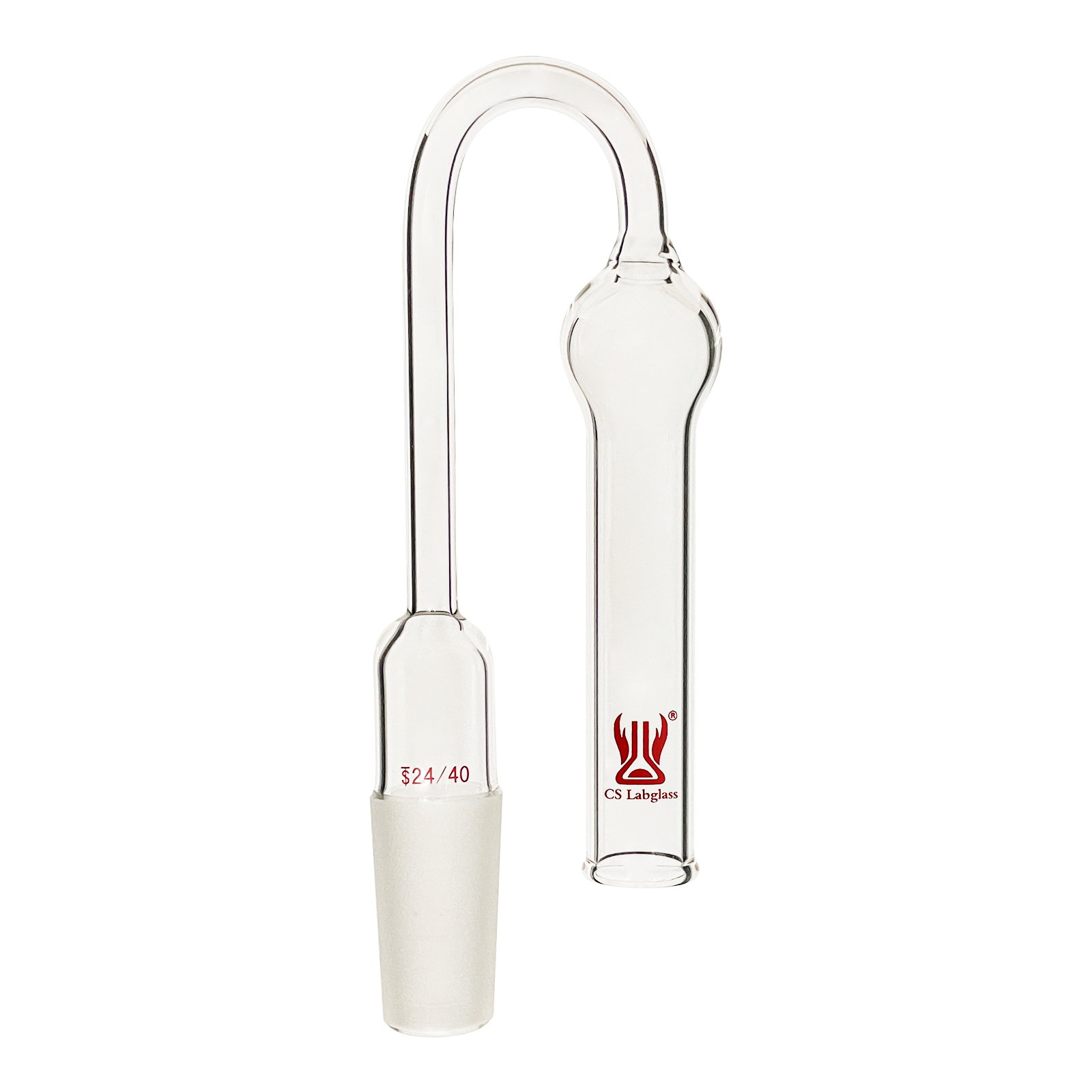
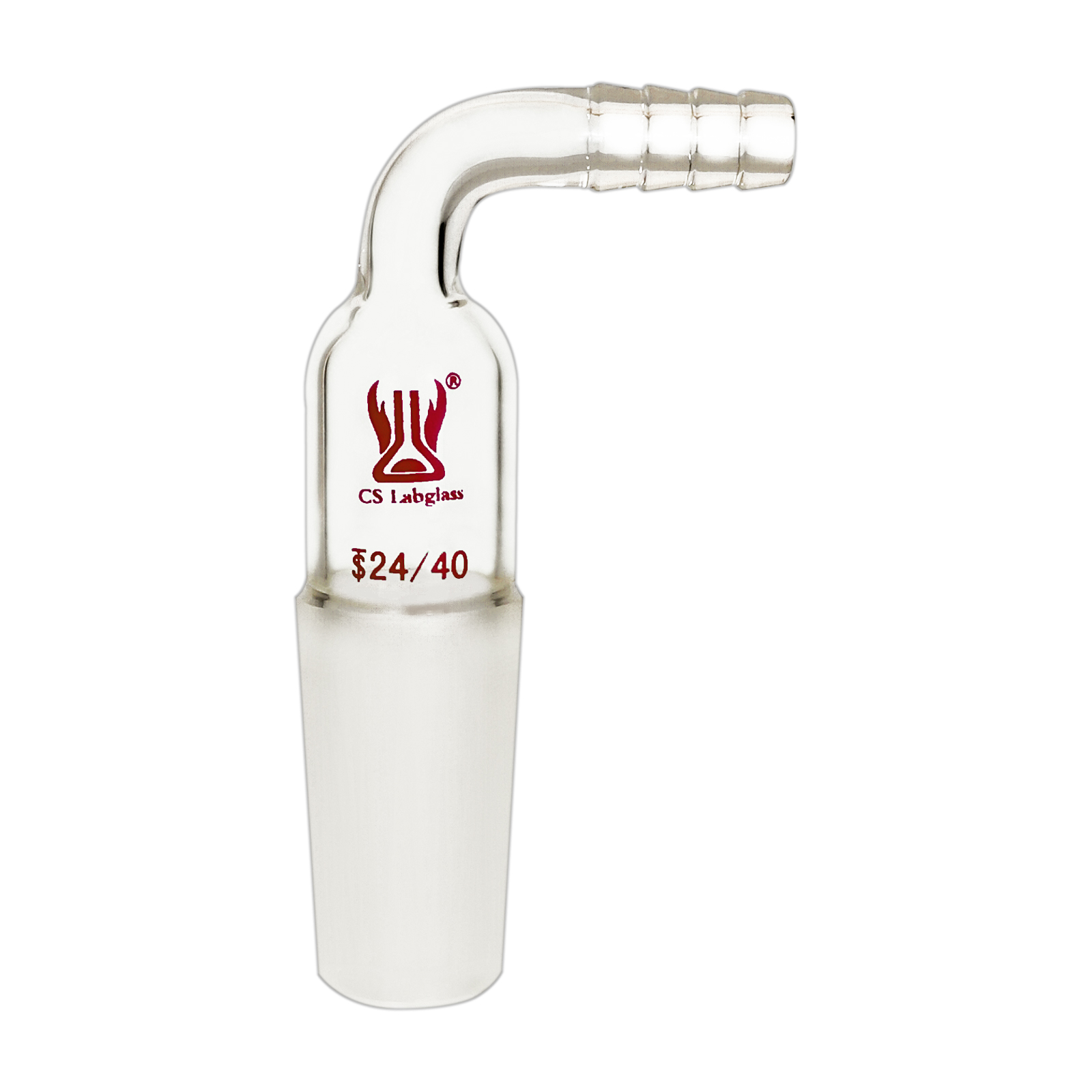
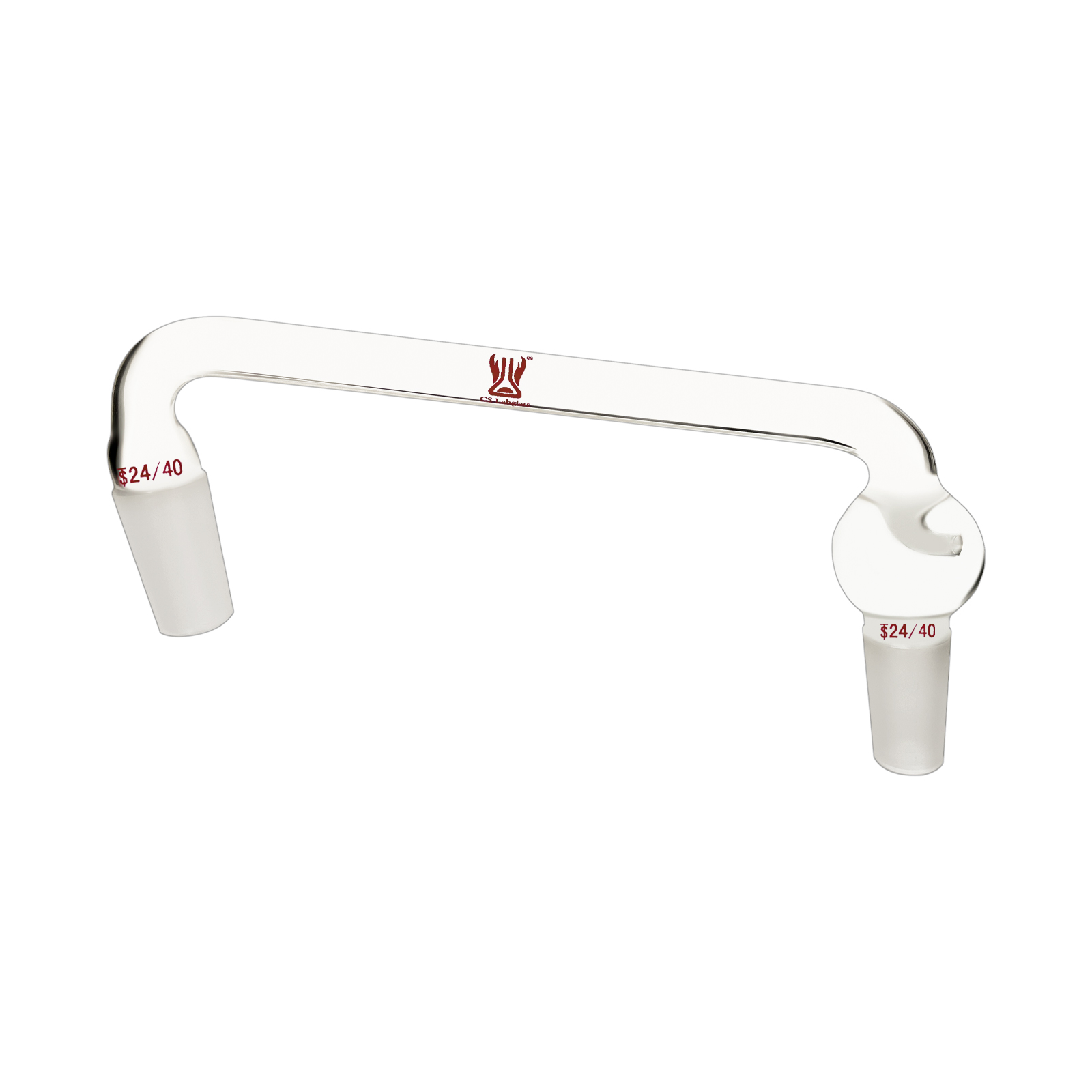
Capacity: 5-50000ml
Socket Joint Size:14/20,19/22,24/40,29/42,34/45,45/50,55/50.
14/23,19/26,24/29,29/32
*The following content is generated by AI and is for reference only.
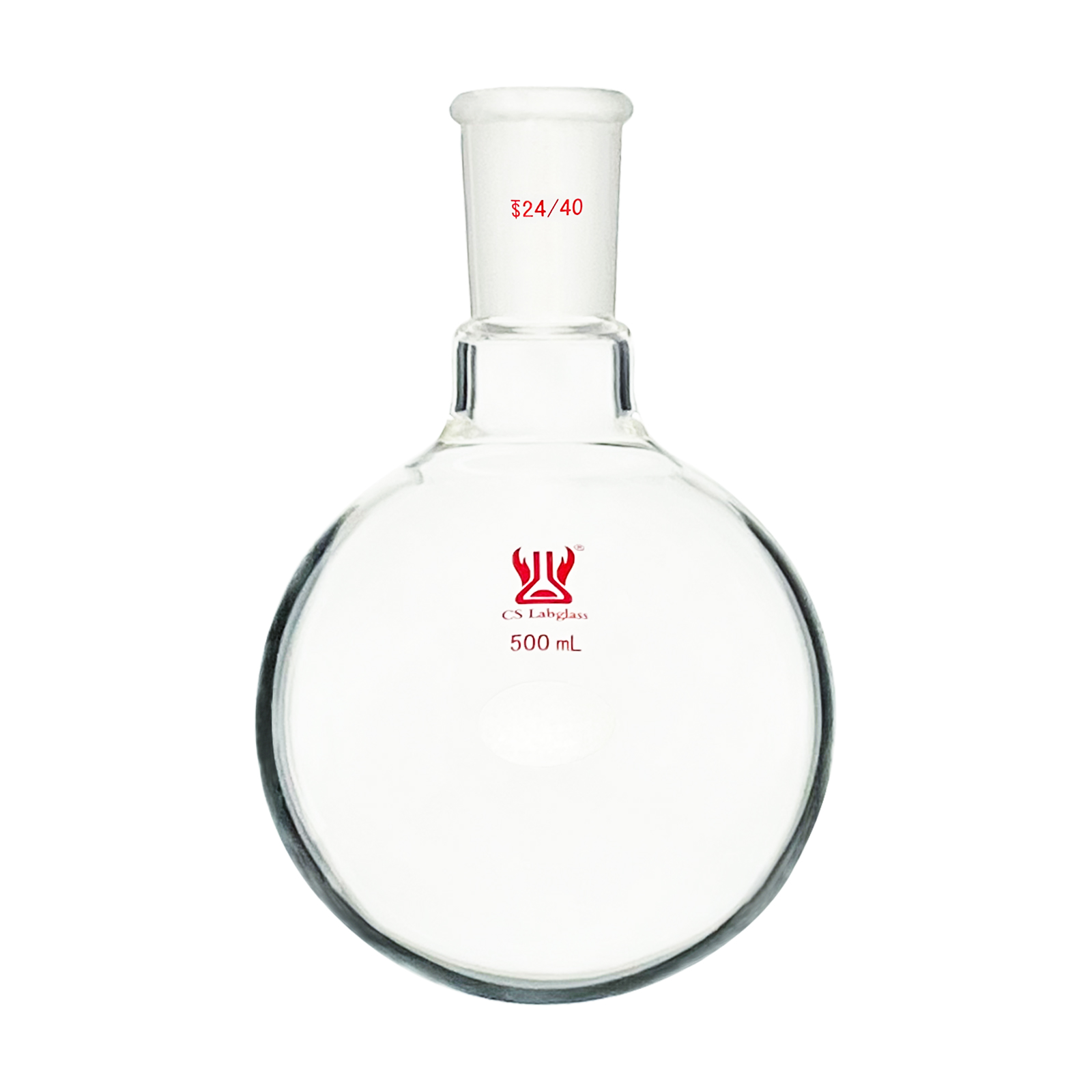
A single-neck round bottom boiling flask is a fundamental piece of laboratory glassware designed for heating liquids, performing distillations, and conducting chemical reactions under controlled conditions. Its spherical bottom maximizes surface area relative to volume, ensuring uniform heat distribution and minimizing the risk of localized overheating or bumping during vigorous boiling. The single neck provides a secure opening for attaching thermometers, condensers, reflux setups, or stirring rods, facilitating versatile experimental configurations. Typically crafted from high-borosilicate glass, these flasks offer exceptional thermal shock resistance and chemical durability, making them suitable for a wide range of solvents and temperatures encountered in research and industrial settings.
When operating with this equipment, safety and proper technique are paramount. Always ensure the flask is securely clamped at the neck to prevent tipping or falling into the heat source. Avoid heating empty flasks directly on open flames or hot plates without a heat-diffusing medium like sand or oil, as rapid temperature changes can cause thermal stress fractures. When connecting accessories, use appropriate ground glass joints with minimal grease to maintain a tight seal while allowing for easy disassembly. Never fill the flask beyond two-thirds capacity to prevent liquid from splashing out during boiling or foaming. Furthermore, never seal the flask completely when heating volatile substances; an open system or a properly vented condenser must be maintained to avoid dangerous pressure buildup that could lead to explosion. Regular inspection for chips, cracks, or scratches is essential before each use, as structural defects significantly increase the risk of failure under thermal stress. After use, allow the flask to cool naturally before cleaning to avoid thermal shock. Proper handling extends the lifespan of the glassware and ensures the safety of laboratory personnel. This versatile tool remains indispensable for organic synthesis, purification processes, and general heating applications across scientific disciplines.





 (All Rights Reserved)